
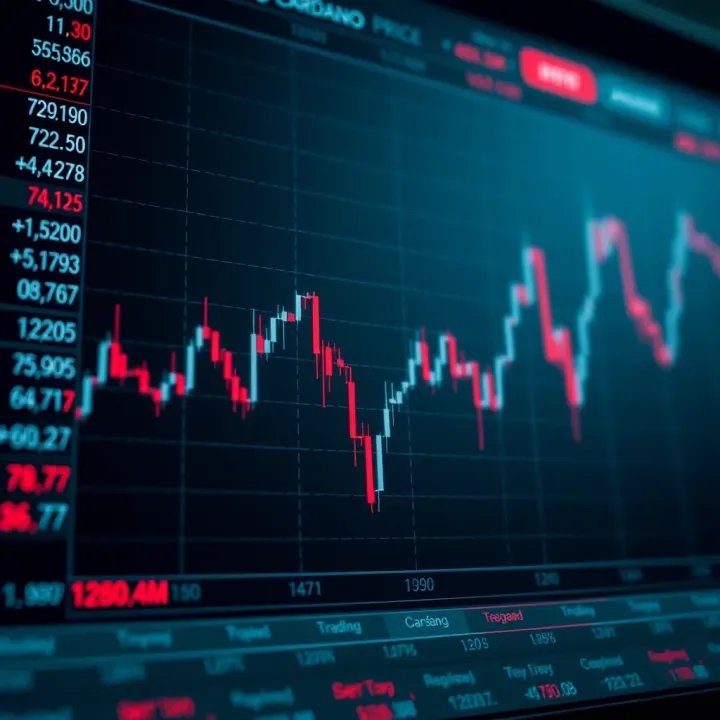
ADA Price Prediction: Cardano's Future Outlook
📈 Explore ADA price trends, expert forecasts, and Cardano updates to guide your cryptocurrency decisions and stay ahead in Pakistan's crypto market.
Edited By
Charlotte Greene
Bitcoin (BTC) remains the most prominent cryptocurrency globally, drawing intense interest from traders, investors, and analysts alike. Its price movements have shown dramatic swings, reflecting a blend of technological developments, market demand, and geopolitical shifts. Understanding what lies ahead for Bitcoin requires a close look at these factors and their evolving impact.
The rapid adoption of Bitcoin in Pakistan and abroad has made it a key asset class, despite regulatory uncertainties. In Pakistan, awareness and interest in Bitcoin have surged, especially among younger investors using platforms like EasyPaisa and JazzCash to engage with digital currencies indirectly. However, concerns over legal clarity and the State Bank of Pakistan's cautious stance keep many on the sidelines.
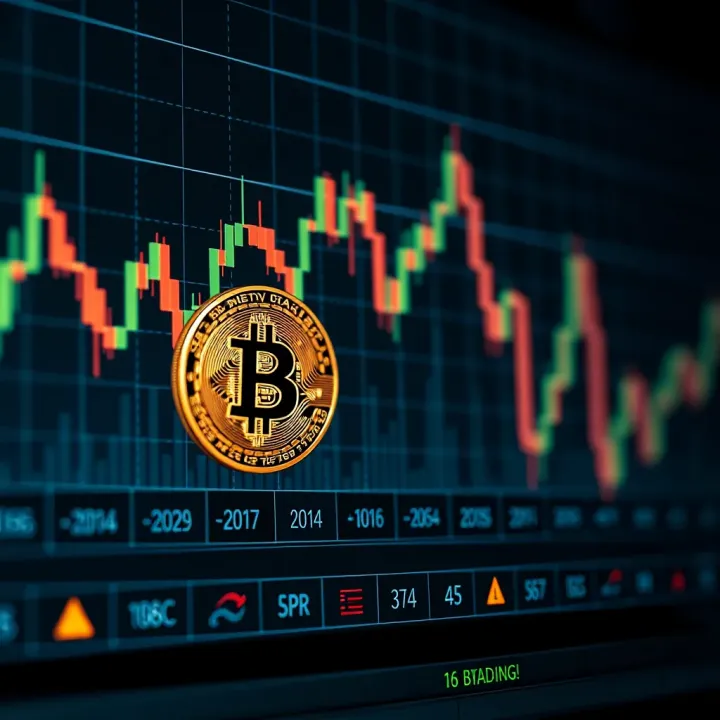
Globally, Bitcoin’s future hinges on several drivers:
Network Upgrades: Continued improvements to Bitcoin’s blockchain, such as scalability and energy efficiency through protocols like the Lightning Network, could enhance usability.
Regulatory Environment: Countries’ stance on cryptocurrencies affects institutional adoption. Stricter rules tend to dampen enthusiasm, whereas clearer guidelines often boost confidence.
Market Sentiment: Public perception and media coverage heavily influence price trends, making the market sensitive to news around security breaches or technological breakthroughs.
Bear in mind, Bitcoin’s volatility means predictions must be taken with caution. Yet, persistent demand coupled with a limited 21 million coin supply fuels long-term bullish views.
Bitcoin’s role in Pakistan’s economic landscape is complex. Import restrictions on crypto-related hardware, electricity costs given frequent loadshedding, and limited financial infrastructure integration all pose challenges. On the flip side, remittances and small-scale trading reflect real use cases for BTC beyond speculation.
For traders and brokers, monitoring these dynamics is critical. Expert forecasts often point towards gradual mainstream acceptance but warn of episodic disruptions caused by global economic pressures and policy shifts.
In essence, Bitcoin’s future is shaped by a mix of technological progress, regulatory shifts, and expanding market participation, both in Pakistan and worldwide. Keeping an eye on these aspects will guide smarter investment decisions moving forward.
Grasping the market dynamics of Bitcoin is essential for anyone interested in its future, especially traders, investors, and analysts. Bitcoin behaves quite differently from traditional financial assets, so understanding how its market operates can provide a clear edge in decision-making. Factors like price volatility, adoption trends, and supply mechanisms all shape Bitcoin’s value and investment potential.
Bitcoin has emerged as the first widely accepted digital currency that operates without a central authority. Its decentralised nature allows peer-to-peer transactions anywhere in the world, bypassing traditional banks. This aspect makes Bitcoin practical for cross-border payments and remittances, a factor particularly relevant in Pakistan’s sizeable overseas remittance economy.
Unlike conventional currencies issued by governments, Bitcoin’s supply is capped at 21 million coins. This hard limit contrasts sharply with fiat currencies, which governments can print endlessly. This feature has attracted investors seeking an alternative asset that could act as a hedge against inflation and currency devaluation.
Adoption of Bitcoin is growing at different speeds globally. In Pakistan, awareness is rising, driven by younger generations and tech-savvy professionals. Despite regulatory uncertainties, many Pakistanis use Bitcoin for investment and transferring funds abroad, especially in regions with limited banking access. This local traction is a sign of Bitcoin’s increasing role in Pakistan’s financial ecosystem.
One of the main drivers behind Bitcoin’s price is the balance between supply and demand. Since only 21 million Bitcoins can ever exist, scarcity plays a big role. When demand rises, prices tend to surge, as seen during bull runs in 2017 and 2020-21. Conversely, market corrections happen when demand drops or investors take profits.
Mining and halving events also significantly affect Bitcoin’s price. Mining rewards halve roughly every four years, reducing the new supply entering the market. Past halvings have preceded major price increases, as the supply squeeze encourages price rises if demand stays steady or grows.
Global economic conditions cannot be overlooked. Events like inflation spikes, currency fluctuations, geopolitical tensions, and monetary policy changes impact Bitcoin’s appeal. For instance, during times of high inflation, investors may turn to Bitcoin as a store of value. Similarly, instability in traditional markets can drive funds towards crypto assets.
Understanding these market forces helps investors predict potential price moves and craft better strategies tailored to the unique nature of Bitcoin.
Overall, a solid grasp of Bitcoin’s market dynamics, including its distinct role as a digital asset, supply constraints, and external economic influences, sets the foundation for assessing its future trajectory with more confidence.
Regulations shape the environment in which Bitcoin operates, directly influencing its adoption, trading volume, and investor trust. Understanding these regulatory developments is crucial for traders and investors looking to navigate Bitcoin’s volatile landscape, especially in Pakistan where the legal framework is still evolving.
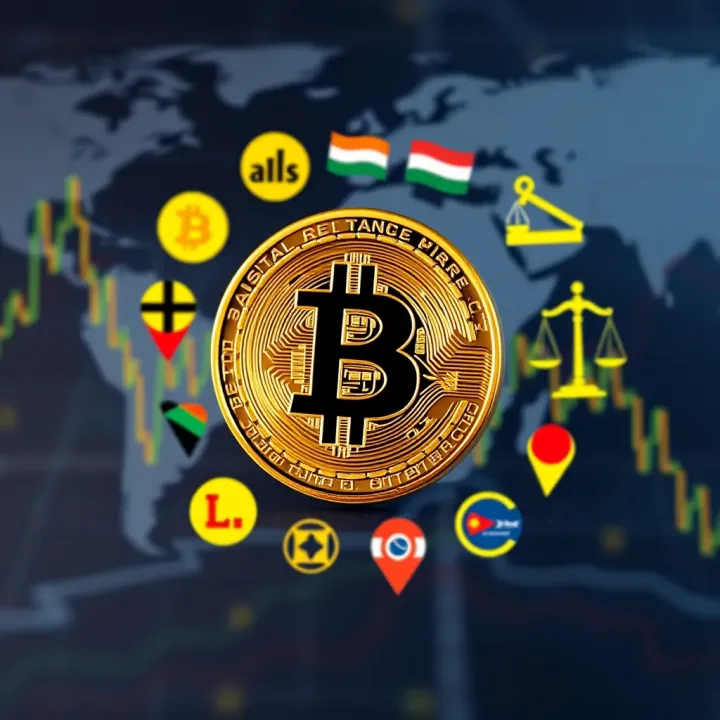
Governments worldwide are stepping up efforts to regulate cryptocurrencies due to rising concerns around fraud, money laundering, and tax evasion. Countries like the United States and those in the European Union have introduced stricter reporting rules and licensing requirements for crypto exchanges. Meanwhile, nations such as El Salvador have embraced Bitcoin as legal tender, creating contrasting regulatory models globally. These policies affect liquidity, market access, and drive innovation, so staying updated helps investors anticipate market shifts.
Regulation impacts investor confidence significantly; clearer laws reduce uncertainty and encourage institutional participation. For instance, when South Korea tightened crypto regulations, markets saw temporary dips due to fear among retail investors. On the other hand, Singapore's friendly regulatory stance has attracted crypto startups and increased investor activity. As rules become more transparent internationally, confidence often strengthens, stabilising Bitcoin prices and encouraging long-term holding.
In Pakistan, Bitcoin currently operates in a legal grey area. Despite the State Bank of Pakistan’s (SBP) 2018 circular prohibiting banking services to crypto businesses, trading continues on peer-to-peer platforms and informal channels. This ambiguity keeps many potential investors cautious, limiting the market's growth despite rising interest.
The SBP alongside the Securities and Exchange Commission of Pakistan (SECP) have been working towards clearer regulations to protect consumers and curb illegal activity. SECP recently hinted at developing a regulatory framework for crypto assets, signalling possible formal oversight. These moves show the government’s intent to balance innovation with risk management but stop short of full legalisation.
Regulatory clarity will boost local investor confidence by providing legal protection and enabling smoother transactions through official financial channels. Clearer rules could encourage Pakistani fintech companies to incorporate Bitcoin payments or investment products in their portfolios. Until then, investors face heightened risks due to lack of formal safeguards and possible enforcement actions.
Understanding both global and local regulatory trends helps investors make informed decisions, reducing surprises from sudden policy changes that can impact Bitcoin’s future price and availability.
Tracking emerging government policies worldwide helps anticipate market conditions.
Awareness of Pakistan's regulatory developments is key for local investors aiming to engage safely.
This regulatory outlook forms the foundation for Bitcoin’s path forward, especially in markets like Pakistan where growth depends largely on legal recognition and consumer trust.
Expert forecasts and market sentiment are essential tools for anyone tracking Bitcoin’s future. Analysts study various indicators and market patterns, offering price estimates that can guide traders and investors. Meanwhile, understanding how emotions like fear and greed influence price swings helps one to navigate volatility more wisely.
Short-term price estimates often depend on current market conditions, recent news, and technical charts. For example, Bitcoin’s price might react sharply to geopolitical events or regulatory announcements within days or weeks. This makes short-term forecasts useful for traders looking to capitalise on quick moves but inherently more uncertain due to sudden shifts.
Long-term predictions focus on broader trends such as adoption rates, technological upgrades, and macroeconomic factors. Analysts examining Bitcoin’s trajectory over the next five to ten years might consider growing institutional interest, inflation hedging potential, or shifting regulatory landscapes. These outlooks serve investors aiming to hold over extended periods, preparing them for possible major shifts rather than daily fluctuations.
Several key factors support both bullish and bearish views. On the bullish side, increasing mainstream adoption and limited supply capped at 21 million BTC lend Bitcoin a scarcity value similar to gold. Institutions adding BTC to their portfolios, as seen with companies like MicroStrategy and Tesla, further boost confidence. Conversely, bearish predictions cite issues such as high volatility, regulatory crackdowns, and environmental concerns from mining activities. Negative policy moves in major economies or technical setbacks can quickly dampen enthusiasm and prices.
Hype and fear often drive Bitcoin’s notorious price swings. During bull runs, euphoria can push prices far beyond intrinsic values, leading to bubbles and correction phases. Conversely, widespread fear—prompted by hacks, bans, or crashes—can cause panic selling even when fundamentals remain strong. This emotional rollercoaster complicates timing for retail investors who might enter at peaks or exit during downturns.
Institutional investors and retail traders also influence market moves differently. Institutions usually bring larger capital and more strategic, research-based decisions. Their participation often stabilises the market, increasing Bitcoin’s legitimacy as an asset class. Retail traders, on the other hand, can amplify volatility by reacting swiftly to news, social media, and hype cycles. For instance, sudden rallies fuelled by retail buying on platforms like Binance or Coinbase sometimes lead to sharp corrections shortly after.
Understanding both expert predictions and the psychology behind market behaviour equips investors and traders with a more complete view. This knowledge helps avoid reactive decisions and plan strategies better suited for Bitcoin’s ups and downs.
In Pakistan, where awareness about cryptocurrency is growing, following these insights is key for safe investment and recognising realistic expectations around Bitcoin’s value fluctuations.
Technological progress directly shapes Bitcoin's potential and usability. Recent and upcoming improvements in blockchain architecture and security help address scalability hurdles and reduce risks for investors and users alike. For traders and investors, understanding these advances clarifies how Bitcoin might sustain or expand its market presence.
Scalability solutions and transaction speed
One of Bitcoin’s historic challenges has been its limited transaction throughput, causing delays and higher fees during peak demand. Scalability solutions like the Lightning Network are working to solve this by enabling instant, off-chain transactions, which significantly ease congestion. This development matters because faster, cheaper transactions boost Bitcoin’s use as a payment method rather than just an investment asset.
Pakistan’s digital scene could also benefit, especially as remittance volumes increase and instant transfer needs grow. A smoother transaction experience might encourage more local merchants and fintech providers to accept Bitcoin, rather than just treating it as a speculative tool.
Security upgrades and resistance to attacks
Bitcoin’s decentralised network is praised for its security, but ongoing upgrades continue to fortify this strength. Protocol-level improvements and more resilient consensus mechanisms help protect against 51% attacks and double-spending risks. These updates ensure the blockchain remains tamper-proof despite increasing mining power globally.
For investors, enhanced security means more confidence that their holdings won't be compromised by hacking or fraud. This stability is especially important in volatile markets like Pakistan’s, where trust can strongly impact adoption rates.
Use of Bitcoin in Pakistan’s fintech industry
Bitcoin’s integration with Pakistan’s fintech landscape is growing cautiously but steadily. While traditional banking faces hurdles like lengthy processing times and complex compliance, Bitcoin offers faster, borderless transactions. This advantage attracts freelancers, exporters, and even small businesses that receive payments from abroad.
Despite regulatory uncertainties, some startups explore Bitcoin-based solutions, merging crypto benefits with local needs such as micro-payments or cross-border transfers without intermediaries. Such applications could widen Bitcoin’s real-world utility in Pakistan.
Collaboration with platforms like JazzCash and Easypaisa
The biggest name in Pakistan’s mobile wallet space, JazzCash, has started embracing blockchain for varied applications, paving the way for potential Bitcoin collaborations. Easypaisa, too, is open to integrating digital assets within its ecosystem, given the rising demand from younger, tech-savvy users.
If Bitcoin partnerships with these platforms materialise, they would make buying, selling, and using BTC far easier for ordinary Pakistanis. This would mark a big shift from Bitcoin being a niche investment to a mainstream digital currency. It remains to be seen how regulatory clarity will influence these developments.
Technological upgrades and local fintech integration are crucial to whether Bitcoin moves beyond a speculative asset to become a widely used digital currency in Pakistan and beyond.
The technology behind Bitcoin continues to evolve, and this will play a key part in shaping its future price and adoption, especially in markets hungry for efficient financial tools like Pakistan.
Bitcoin’s growth faces several risks that can affect its adoption and valuation. Understanding these challenges helps investors and traders gauge potential hazards in the market and navigate uncertainties. These risks not only impact Bitcoin’s price but also influence overall market sentiment, regulatory stance, and technological progress.
Bitcoin is notorious for its price volatility, which stems from multiple sources. Its limited supply combined with speculative demand often triggers wild price fluctuations. For example, sudden news such as a major exchange hack or a country banning crypto trading can cause instant sharp drops. Additionally, the relatively low liquidity in certain markets, especially in Pakistan, means large buy or sell orders can swiftly move prices. Global macroeconomic shifts, such as changes in dollar strength or inflation fears, also play their part in shaking Bitcoin’s value.
This volatility means investors must be cautious and prepared for sharp swings. While short-term traders might benefit from sudden price moves, long-term holders face uncertainty about when to buy or sell without risking losses. Pakistan’s investors should also consider exchange reliability and exit options, as regulatory environments can complicate trading. Sound risk management and diversifying portfolios beyond Bitcoin might protect against sudden downtrends.
Government regulations remain a significant threat to Bitcoin’s expansion. Some countries have outlawed Bitcoin completely, while others impose stringent rules on trading, taxation, or advertisement. Pakistan could face similar restrictions aligning with concerns about money laundering and financial stability. A sudden ban on crypto exchanges or tough KYC requirements might limit access for everyday traders and dampen market confidence.
Looking at other countries helps Pakistan prepare better. China’s repeated crackdown on Bitcoin mining and trading, for example, caused global price dips and market panic. Alternatively, countries like the USA and UK try to balance innovation with regulation by introducing clear legal frameworks, supporting crypto’s long-term development. Pakistan could learn from these mixed approaches to protect investors while encouraging fintech growth.
Investors must stay updated on regulatory changes and avoid putting all their savings in Bitcoin alone. A realistic approach to its risks improves decision-making and resilience to market swings.
📈 Explore ADA price trends, expert forecasts, and Cardano updates to guide your cryptocurrency decisions and stay ahead in Pakistan's crypto market.

Explore ADA price predictions 📈, key factors shaping Cardano's value, and expert insights to help Pakistan investors understand its crypto future clearly.
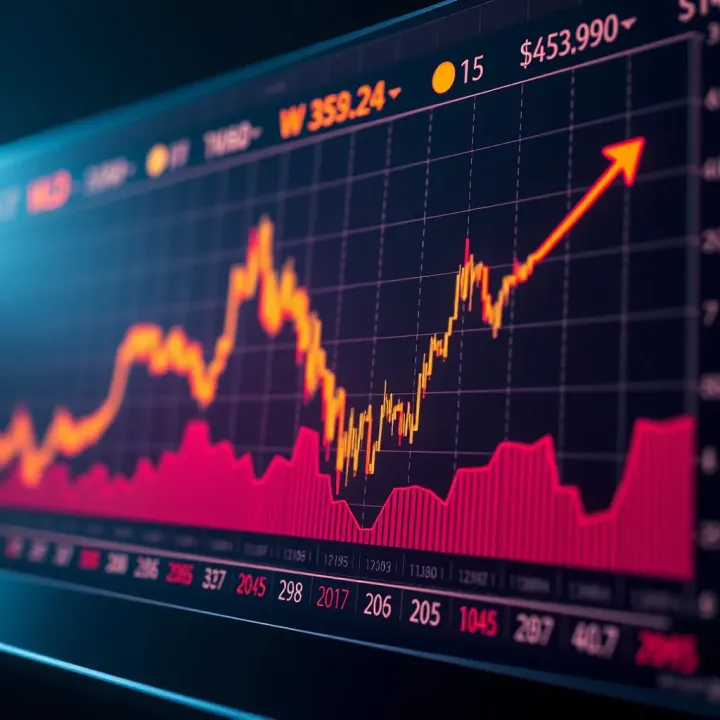
📊 Explore WLD price trends, key factors, and future outlook in Pakistan's market. Get a clear analysis to make informed investment decisions confidently.
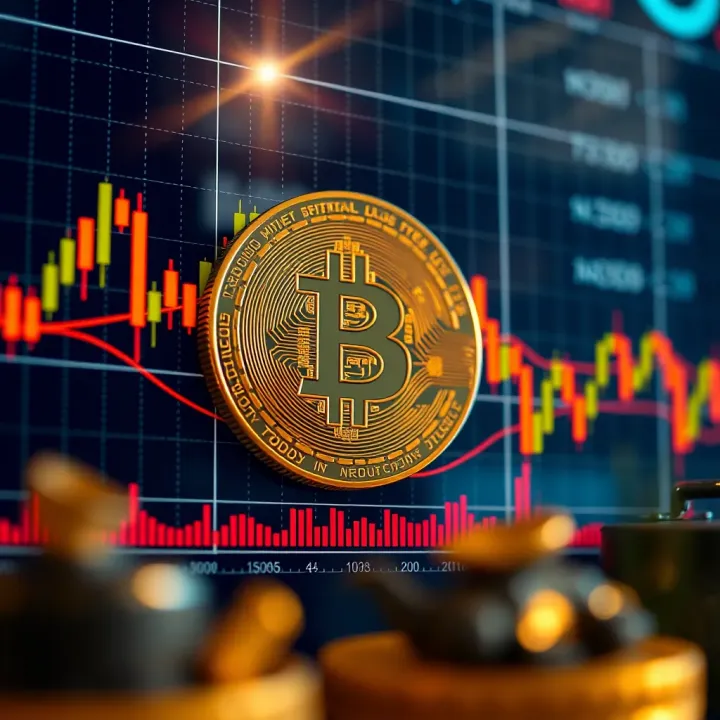
📈 Stay updated with today's Bitcoin price prediction and market analysis! Explore key trends, technical insights, news, and risks impacting investors in Pakistan.
Based on 13 reviews