

Understanding Amazon's Business and Market Role
Explore Amazon's business, market presence, and key services 🌍. Understand its impact on e-commerce and investment potential, especially for Pakistan readers 📊.
Edited By
Oliver Barnes
Coca Cola's presence in the global beverage market is vast, but it faces constant challenges from several powerful competitors. These rivals carve out their own space through unique strategies, product variety, and regional focus. Understanding this competition sheds light on how Coca Cola maintains its leading position while adapting to shifting consumer tastes and market conditions.
The main competitors include multinational giants like PepsiCo and Nestlé, as well as regional players that have built strongholds by catering to local preferences. PepsiCo, for example, directly contests Coca Cola with an extensive portfolio not only of soft drinks but also snacks, providing diversified revenue streams. Nestlé focuses especially on bottled water, coffee, and dairy-based beverages, sectors where Coca Cola has increased its efforts recently.
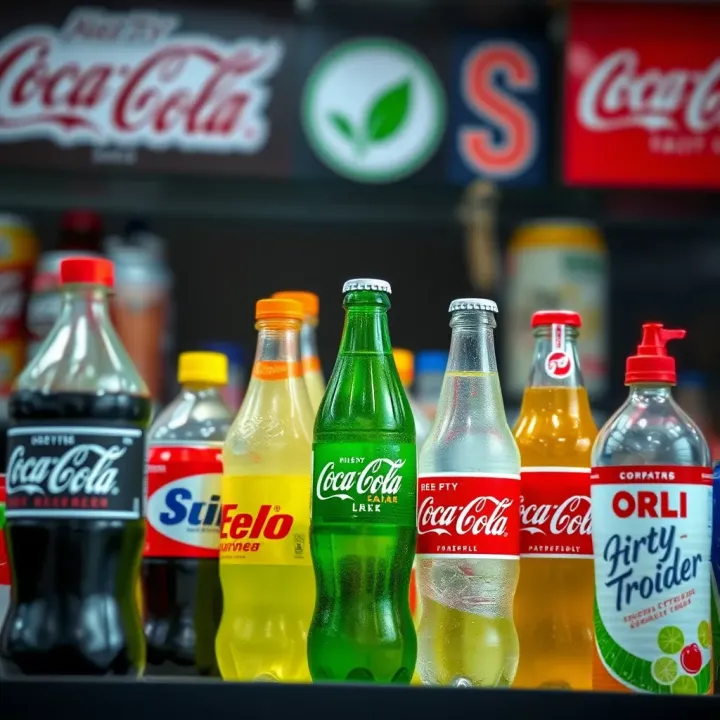
Besides the global brands, regional and local competitors play a significant role. In markets such as Pakistan, local beverage brands and emerging players offer products aligned with local tastes and price sensitivities, challenging Coca Cola's market share. This includes variations in fruit drinks, juices, and even traditional beverages.
The beverage market's competitive dynamics are shaped by continuous innovation and localisation. Brands that succeed combine global scale with a keen understanding of regional consumption patterns.
Key trends affecting competition include:
Product diversification: Competitors expand beyond carbonated drinks into health-conscious options like flavoured water, energy drinks, and ready-to-drink teas and coffees.
Regional marketing: Tailoring flavours, packaging, and pricing specifically for local markets boosts consumer loyalty against global brands.
Sustainability initiatives: Increasingly, brands are focusing on eco-friendly packaging and ethical sourcing, appealing to environmentally aware customers.
For investors and analysts, recognising how these factors influence brand performance helps in assessing market risks and opportunities, particularly in emerging markets like Pakistan where consumption patterns evolve rapidly.
In essence, Coca Cola’s rivalry landscape is a mix of global titans and nimble local competitors, each pushing the boundaries to capture more of the growing beverage demand worldwide.
Understanding Coca Cola's current standing in the beverage industry sets the stage for analysing its rivals effectively. This overview highlights Coca Cola’s stronghold and the challenges it faces, giving investors and market analysts a clear picture of the competitive environment. Knowing Coca Cola’s market presence and product range helps identify gaps and opportunities relevant for stakeholders watching market shifts, especially in key markets like Pakistan.
Coca Cola holds roughly 43% of the global carbonated soft drink market, making it the industry leader by a significant margin. Its reach spans more than 200 countries, with local bottling partners ensuring efficient distribution even in remote areas. For instance, in Pakistan, Coca Cola commands a large portion of the carbonated drinks segment but faces tough regional competition in bottled water and juices. Its extensive global footprint provides a major advantage in negotiating shelf space and marketing partnerships, which smaller brands find difficult to match.
Despite its dominance, Coca Cola’s market share varies considerably by region. In emerging markets, the company adapts its pricing models and packaging to stay competitive against local brands and changing consumer preferences. This adaptability keeps Coca Cola highly relevant and resilient amid evolving demands.
Coca Cola’s product variety goes well beyond its famous classic beverage. Its portfolio includes diet sodas, energy drinks, bottled water, teas, coffees, and fruit juices. This diversification helps buffer risks tied to any single category’s downturn. Take, for example, Coca Cola’s acquisition of Costa Coffee, which expanded its footprint into the ready-to-drink coffee sector — a fast-growing area globally.
Locally tailored products also play a strong role. In Pakistan, Coca Cola offers products such as Minute Maid juices and still water brands that cater to health-conscious consumers. This mix broadens its customer base beyond youth-focused carbonated sodas.
A varied product portfolio allows Coca Cola to hedge risks and tap into multiple consumer trends, placing it on a secure footing against competitors focusing narrowly on one category.
The company’s ongoing investment in new product development ensures it stays ahead of shifts in consumer tastes, such as the rising demand for sugar-free options and functional beverages.
By grasping these elements of Coca Cola’s business, traders and analysts can better assess how competitors might exploit weaknesses or where Coca Cola holds unchallenged strength. This foundation is key to understanding the company’s competitive landscape globally and within Pakistan.
Understanding Coca Cola’s major competitors is key to grasping the dynamics of the global beverage market. These rivals not only vie for market share but continuously shape consumer trends, product innovation, and regional preferences. For traders and investors, knowing who competes with Coca Cola, and how, provides insight into market moves and potential shifts in the beverage industry.
PepsiCo remains Coca Cola's fiercest global rival, leveraging a wide product range that extends beyond colas into snacks, juices, and healthier drink options. Its aggressive marketing campaigns, such as heavy investments in sports sponsorships and entertainment events, help maintain brand visibility worldwide.
At the same time, PepsiCo's distribution network is notably extensive, reaching rural and urban markets alike, particularly in Asia and Africa. This broad penetration challenges Coca Cola’s reach and forces continuous innovation in pricing and packaging. For example, PepsiCo’s focus on smaller, affordable pack sizes in markets like Pakistan helps tap into price-sensitive consumers.
Nestlé competes chiefly through its bottled water and health drink segments. Known for brands like Nestlé Pure Life, this Swiss giant caters to the growing demand for purified and mineral water, especially in regions where tap water quality is poor. Its involvement in coffee products and ready-to-drink teas under various labels also puts it in competition with Coca Cola’s expanding portfolio.
Dr Pepper Snapple Group, now part of Keurig Dr Pepper, holds a strong position in niche carbonated drinks with veteran brands like Dr Pepper and 7UP. While not as globally pervasive as Coca Cola, it challenges through distinct flavours and loyal customer bases in North America and parts of Asia. Their strategy involves capitalising on regional tastes and sometimes acquiring local brands to expand presence.
Red Bull GmbH stands out by dominating the energy drink category worldwide. Unlike Coca Cola’s broad beverage spectrum, Red Bull focuses intensely on energy drinks and related marketing, especially sponsoring extreme sports and youth events. This concentrated approach has built a distinct loyal following that competes for the same urban consumer attention and spending power.
Pakola and Murree Brewery serve as prominent local competitors known for their regional appeal and diverse product offerings beyond colas. Pakola, with its unique fruit-flavoured sodas, enjoys a nostalgic and loyal customer base. Murree Brewery, despite its origins as an alcoholic beverage producer, has expanded into soft drinks, challenging Coca Cola’s local presence.
Globe Beverages specialises in bottled water and juices tailored for Pakistani tastes. Its competitive pricing and local sourcing resonate well with middle-income consumers facing price sensitivities. Globe also benefits from being seen as a homegrown alternative, which matters in a market where consumer loyalty can be fragmented.
Local juice and mineral water brands play a vital role, especially in rural areas and smaller cities. Brands like Gourmet Juices and Nestlé’s local bottlers create competition on quality and availability, offering affordable hydration options against Coca Cola’s premium products. Their growth reflects rising health awareness and shifting consumer preferences toward natural and healthier drinks.
The rivalry between Coca Cola and these competitors reflects a blend of global scale and local roots, showing how brands adapt strategies not just to win market share but to connect closely with different consumer bases worldwide.
Coca Cola’s rivals are increasingly eyeing beverage segments beyond the classic fizzy drinks to capture evolving consumer preferences. These alternative categories, including bottled water, health beverages, energy drinks, and tea-based products, offer substantial growth opportunities. Competitors that excel in these areas can chip away at Coca Cola’s dominance by meeting demands for healthier, functional, and locally favoured options.
Bottled water remains a fast-growing segment worldwide, with consumers becoming more health-conscious and seeking hydration without added sugars. Brands like Nestlé Pure Life and Aquafina (PepsiCo) have strengthened their presence by emphasising purity and environmental packaging. In Pakistan, local bottled water brands such as Nestlé Pure Life and Dasani (produced by Coca Cola) compete fiercely, focusing on clean sourcing and affordability.
Health beverages extend beyond simple bottled water to include fortified drinks, herbal infusions, and probiotic-rich products. The trend of functional drinks is growing, especially among urban populations looking for digestive aids or immunity boosters. Companies rival Coca Cola by introducing limited-edition beverages with ingredients like green tea extract, aloe vera, or added vitamins, thereby tapping into the wellness market.
Energy drinks represent a robust growth area appealing mostly to young adults and working professionals seeking mental alertness and stamina. Brands such as Red Bull and Monster have strong global footprints and offer variations enriched with caffeine, taurine, and B-vitamins. In Pakistan, imported energy drinks are popular in urban centres, but domestic brands are also emerging to meet price-sensitive demands.
Flavoured waters offer a refreshing alternative to sugary sodas, combining hydration with natural or artificial fruit essences. These low-calorie options attract health-conscious consumers who want variety without compromising on wellness. PepsiCo’s Aquafina flavour splash and similar offerings by local brands demonstrate how flavoured waters can serve as a bridge between plain water and full-calorie drinks.
Ready-to-drink (RTD) tea and coffee are gaining traction globally as convenient, on-the-go options. Competitors like PepsiCo’s Lipton Ice Tea and various coffee RTD products challenge Coca Cola’s efforts in this arena. Given Pakistan’s rich tea culture and growing coffee consumption, these categories hold significant potential.
Local players and multinationals alike are investing in RTD products that suit local tastes, such as cardamom-flavoured chai or cold brew coffee with milk and spices. This blend of tradition with modern packaging appeals to younger demographics and busy consumers who prefer quick, ready-made beverages.
The expansion into these competitive areas beyond carbonated soft drinks is key for rival companies to diversify revenue streams and meet changing consumer habits. For investors and analysts, monitoring shifts in these segments reveals where the beverage industry’s next growth points lie, particularly in emerging markets like Pakistan.
Understanding these categories provides a fuller picture of competition dynamics, highlighting that Coca Cola’s rivals are not just fighting over cola but innovating across broader tastes and preferences.
Competitors targeting Coca Cola’s market share rely heavily on various strategies to challenge its dominance. Understanding these tactics provides insights into the dynamics shaping the global beverage industry. These strategies often touch on marketing, pricing, distribution, and local consumer preferences, each contributing to winning customers in different ways.
Strong marketing campaigns are central for rivals to increase their visibility and create brand loyalty. For instance, PepsiCo’s sponsorship of major sporting events like the UEFA Champions League and cricket tournaments in Pakistan creates a strong connect with passionate fans. Such campaigns also involve innovative advertising, celebrity endorsements, and digital engagement that appeal to younger audiences and social media users. These efforts help brands stay relevant and memorable, especially when competing with Coca Cola’s entrenched global presence.
Pricing plays a critical role in market competition, especially in price-sensitive markets like Pakistan. Competitors often adopt competitive pricing, offering promotional discounts or smaller pack sizes to attract a wider consumer base. Local brands like Pakola often price their drinks lower than multinational companies, gaining an edge among budget-conscious buyers. Besides price, a robust distribution network is equally important. PepsiCo’s extensive partnerships with local retailers, wholesale markets, and convenience stores ensure availability even in remote areas. Efficient distribution helps maintain shelf presence and reduces stock-outs, limiting Coca Cola’s reach.
Rivals increasingly focus on tailoring products to regional preferences and evolving trends. This includes introducing flavours inspired by local tastes, such as guava or mango drinks, which resonate well with Pakistani consumers. Ready-to-drink teas and health beverages mimicking popular traditional drinks also help compete in developing healthy options demanded by urban customers. Brands often carry out market research to understand Pakistani consumers’ growing interest in low-sugar, organic, or herbal drinks and adjust their offerings accordingly. This local approach often wins consumers who seek familiar flavours and healthier options.
Competitors combine smart marketing, aggressive pricing, and cultural understanding to chip away Coca Cola’s market share, demonstrating that success in the beverage sector rests on more than just having a global brand.
By watching these strategies closely, investors and analysts can gauge which brands pose real threats to Coca Cola’s dominance in Pakistan and worldwide.
The beverage sector in Pakistan is quickly evolving, making it essential for traders, investors, and analysts to stay updated on emerging patterns and challenges. Understanding the future outlook helps stakeholders anticipate shifts in market dynamics, consumer preferences, and regulatory hurdles, which directly impact profitability and strategic planning. For example, Coca Cola’s rivals are increasingly capitalising on health-conscious consumers by introducing low-sugar and functional drinks, a move that reshapes competition beyond traditional soft drinks.
Emerging trends in Pakistan’s beverage market point to a growing demand for healthier alternatives such as herbal drinks, mineral waters, and probiotic beverages. Local brands like Rani (fruit juices) and Gourmet are experimenting with natural ingredients appealing to younger consumers. Additionally, innovation in packaging—such as eco-friendly bottles and smaller, affordable pack sizes geared for price-sensitive customers—helps expand market reach. The rise of e-commerce platforms like Daraz also enables niche beverage brands to target urban consumers more effectively.
Pakistan’s beverage industry faces complex regulatory challenges, including strict quality standards enforced by the Pakistan Standards and Quality Control Authority (PSQCA) and frequent updates from the Pakistan Food Authority (PFA). Tariff changes and import restrictions on raw materials can increase production costs, pressurising companies to adjust pricing. Furthermore, water scarcity and energy shortages due to loadshedding complicate the operational landscape, especially for manufacturers dependent on steady utilities. Navigating these challenges requires nimble supply chain management and close coordination with regulatory bodies.
Adherence to local regulations while managing costs remains a critical hurdle for beverage companies aiming for long-term growth in Pakistan.
Opportunities lie in tapping into Pakistan’s expanding urban population and rising disposable incomes. Ready-to-drink (RTD) tea and coffee blends, functional drinks with vitamins or antioxidants, and dairy-based beverages are gaining traction. Rural markets, still under-served, offer room for product diversification and distribution expansion. For Coca Cola, strengthening health-oriented product lines alongside traditional sodas can boost resilience. Meanwhile, rivals might focus on regional flavours or organic options to carve their own market niches.
In summary, competition in Pakistan’s beverage sector will be shaped by how companies innovate around consumer health trends, adapt to regulatory pressures, and identify new growth pockets. For investors and traders, this demands informed decisions backed by close watch on market developments and consumer behaviour shifts.
Explore Amazon's business, market presence, and key services 🌍. Understand its impact on e-commerce and investment potential, especially for Pakistan readers 📊.

📊 Explore TradingView's tools, charts, and community for effective market analysis. Learn setup, market types & tips tailored for users in Pakistan 🇵🇰.

🕒 Know the gold market opening hours in Pakistan! Learn local timings, city differences, key factors, and how to time your trades effectively for better prices. 📈

Explore DYDX price predictions 📈 gained from market trends, tech advances, and crypto factors. A must-read for Pakistani investors tracking this DEX token’s future 📊.
Based on 7 reviews