
Guide to Forex Trading in Pakistan: Basics & Tips
Explore 4x trading in Pakistan 🇵🇰 with tips on strategies, risks, regulations, and opportunities to trade smartly in the forex market 📈💰
Edited By
James Carlton
Forex trading has caught the eye of many Pakistanis looking to earn money online, but its legal status here often confuses traders and investors alike. Unlike stock trading or real estate, forex trading sits on a fine line regulated primarily by the State Bank of Pakistan (SBP). The key issue hinges on how foreign exchange is bought and sold through authorised channels.
The SBP allows currency trading only through licensed banks and financial institutions. This means Pakistani traders are limited to spot forex transactions with banks for business needs or remittance purposes. Trading foreign currencies on international platforms, or with offshore brokers, often falls outside SBP’s rules and is considered illegal.

"Forex trading with unregulated foreign brokers carries real risk—not just financial but legal too—so it’s important to tread carefully."
Besides the legal aspect, forex trading in Pakistan involves substantial risks. The currency market is volatile, potentially leading to significant financial losses. Moreover, many unlicensed platforms target unsuspecting traders, increasing fraud risk. For education and safety, it is worthwhile to learn from certified financial sources and engage only with SBP-approved services.
Here are some practical points about forex trading legality in Pakistan:
Trading through SBP-approved banks: Only wholesale or retail forex through licensed banks complies with regulations.
Trading via foreign brokers: Generally illegal and may result in financial penalties.
Currency futures and derivatives: Not commonly permitted for retail clients in Pakistan.
Using local platforms (e.g., Pakistan Stock Exchange): Trading in foreign currency stocks is allowed, but not direct forex trading.
Understanding these rules helps Pakistani traders avoid legal troubles and financial scams. If you want to trade forex properly, focus on regulated avenues and maintain records of all transactions as per FBR (Federal Board of Revenue) compliance.
In the end, forex trading is not outright illegal in Pakistan, but it must be carried out via proper channels. Staying updated with SBP notifications and FBR requirements will keep your trading safe and legal.
Forex trading involves exchanging one currency for another in a global, decentralised market. It operates 24 hours a day, allowing participants from Islamabad to Karachi and beyond to buy, sell, or speculate on currency price movements. This market is the largest in the world, with daily transactions exceeding $6 trillion. For Pakistani traders, it offers an opportunity to engage with global finance beyond traditional stock exchanges.
In simple terms, forex trading means buying a currency while simultaneously selling another. For example, a trader might buy US dollars (USD) against the Pakistani rupee (PKR), expecting the dollar’s value to rise. This works like a currency exchange but with the intent to profit from price changes rather than travel needs. Unlike stock markets, forex trading is highly liquid and fast-paced, attracting those who prefer active trading throughout the day.
Forex trading is not just about currency exchange but about predicting shifts in currency values to earn profit.
Several factors drive Pakistanis to try forex trading. First, the ease of access through online platforms like MetaTrader or local brokers makes it possible even for small investors to start with as low as Rs 10,000. Additionally, forex trading offers high leverage—sometimes up to 1:100—which means traders can control larger positions with less capital, increasing potential profits (and risks).
The appeal also comes from the potential to profit in both rising and falling markets, unlike the Pakistan Stock Exchange where you generally earn when stocks rise. Many young adults with limited local investment options see forex as a way to diversify income. Plus, the flexibility to trade from home or mobile during loadshedding hours fits well with Pakistan’s infrastructure challenges.
That said, forex trading requires understanding its mechanics and risks before taking part. The popularity hasn't come without cautionary tales of scams and unlicensed brokers, so an informed, cautious approach is essential.
In summary, forex trading holds practical appeal for many Pakistanis by connecting them to global markets with relatively low entry barriers, but it demands responsible and educated participation.
Understanding the legal status of forex trading in Pakistan is essential because it directly impacts how traders operate and whether they risk penalties. The State Bank of Pakistan (SBP) and the Securities and Exchange Commission of Pakistan (SECP) oversee these regulations. Their rules aim to control currency flows, prevent illegal trading activities, and protect investors from fraud.
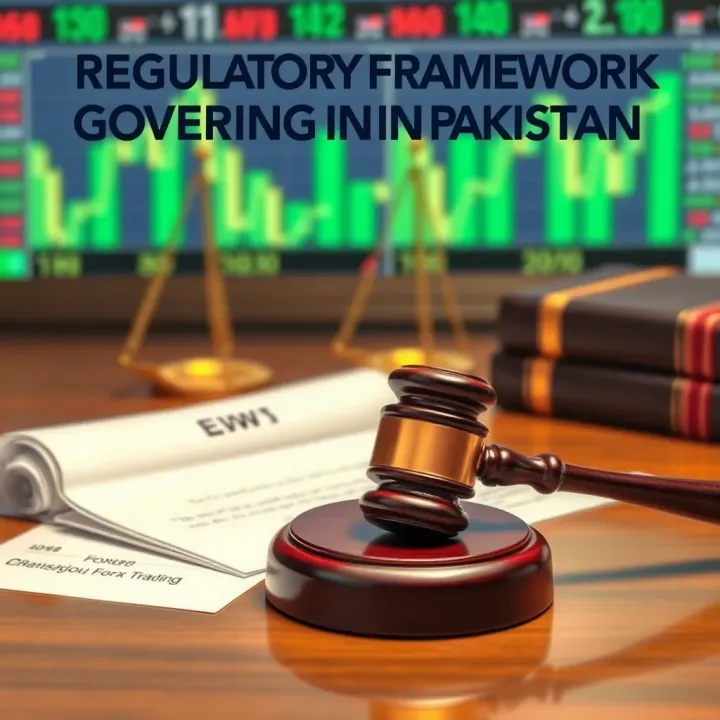
The SBP regulates forex trading mainly to control foreign exchange reserves and maintain economic stability. It prohibits Pakistani residents from trading forex through foreign brokers who are not authorised by the SBP. For instance, if a trader uses a broker outside Pakistan without SBP approval, any profits earned could be considered illegal. Moreover, foreign currency transactions beyond certain limits require SBP permission. The bank also issues guidelines on the legal channels for bringing foreign currencies into or out of Pakistan. This ensures that forex trading does not affect the country’s foreign exchange reserves adversely.
The SECP’s role involves regulating brokerages and financial markets within Pakistan. It grants licences to local forex brokers and makes sure they follow strict operating standards. SECP-licensed brokers must maintain transparency about fees, trading terms, and risk disclosure. Traders dealing with unlicensed brokers face the risk of scams or fraudulent practices. For example, if someone invests with an unregistered broker promising unrealistic returns, recovery of funds is difficult because SECP has no control over such entities. The commission also works to ensure that local exchanges offer legitimate forex-related products like currency futures and forwards.
Pakistani law sets out several restrictions on forex trading. Direct access to international forex markets through unlicensed platforms is banned. Trading forex through unregulated brokers or platforms can lead to legal consequences, including fines or even criminal charges. Additionally, there are limits on sending foreign currency abroad without valid documentation, particularly under State Bank’s currency control measures. Traders must also comply with the Federal Board of Revenue (FBR) rules for taxation on profits earned via forex trading. Failure to report gains can result in penalties.
It’s clear that trading forex in Pakistan requires using authorised brokers, following SBP rules, and reporting income accurately to avoid legal trouble.
By sticking to licensed brokers and abiding by SBP and SECP regulations, Pakistani traders can minimise risk and trade with peace of mind. Ignoring these rules not only jeopardises your funds but can also lead to serious legal headaches.
Understanding the risks of forex trading in Pakistan is essential before you commit funds. The market’s volatility already poses challenges globally, but local factors add layers that traders must consider carefully. These risks are not just theoretical; they affect how Pakistani traders manage their investments and navigate legal restrictions.
Many traders in Pakistan fall prey to unregulated brokers who offer tempting promises of high returns but lack proper oversight. These brokers often operate outside the laws set by the State Bank of Pakistan (SBP) and the Securities and Exchange Commission of Pakistan (SECP). For example, some offshore platforms may not comply with money laundering rules or investor protection standards. This exposes traders to scams, delayed withdrawals, or even loss of capital without any legal recourse.
Before depositing funds, always verify your broker’s licence with the SECP or SBP. Remember, a flashy website or pushy marketing should never be your only trust factor. Pakistani traders have reported cases of sudden account freezes and unexplained losses with shady brokers, so due diligence is key.
Forex trading revolves around currency pair fluctuations, which can be quite dramatic. Pakistan’s economic situation, including inflation rates and geopolitical events, can cause sudden shifts in the PKR’s value. For instance, during heavy import seasons or political uncertainty, the rupee may depreciate rapidly against the US dollar or euro, leading to significant gains or losses.
This market’s unpredictability means traders should prepare for sharp swings. Using risk management tools like stop-loss orders can help limit losses. However, even experienced traders can face challenges when the market moves quickly, so understanding how currency volatility works in your local context is vital for success.
The SBP enforces exchange controls to regulate foreign currency flows and protect Pakistan’s foreign reserves. This means there are restrictions on how much forex you can bring into or send out of the country. Traders must comply with rules regarding fund transfers to avoid legal trouble.
Furthermore, regulators remain vigilant about preventing money laundering via forex platforms. Unmonitored transactions or large fund movements may attract scrutiny or enforcement actions. Pakistani traders must keep clear records of their transactions and ensure their brokers follow anti-money laundering practices.
Awareness of these local controls helps traders stay within legal limits and avoid penalties.
In summary, while forex trading offers opportunities, the risks related to unregulated brokers, currency swings, and exchange control enforcement must guide every step you take. By recognising these challenges, Pakistani traders can better safeguard their capital and make informed decisions.
Engaging in forex trading within Pakistan requires careful attention to legal frameworks and safety measures. With the market offering opportunities for profit, it's essential for traders to avoid pitfalls that arise from unregulated brokers, tax issues, and breaches of State Bank of Pakistan (SBP) regulations. This section outlines practical steps to navigate forex trading responsibly.
The first step to safe forex trading is selecting brokers authorised by relevant bodies like the SBP or the Securities and Exchange Commission of Pakistan (SECP). These licensed brokers comply with Pakistan's financial laws and ensure transparent trading practices. For example, traders can look for brokers who are registered with SECP and offer fund withdrawal and deposit methods approved by local banks and payment services like JazzCash or Easypaisa.
Unauthorised brokers often operate offshore without any regulatory oversight, which increases risks of scams or fund freezes. A concrete example: A trader lost Rs 1 lakh when dealing with an unregulated platform promising high returns but failed to withdraw funds. Hence, always verify broker credentials through SECP's official list and check for physical presence or Pakistani customer support.
Fund transfers related to forex trading must follow SBP's foreign exchange policies to avoid legal issues. Pakistans forex trading rules prohibit direct forex dealing with unregistered foreign brokers. Therefore, money must be routed through authorised banking channels that comply with SBP regulations on cross-border payments.
Additionally, traders must report earnings and pay taxes as per Federal Board of Revenue (FBR) guidelines. Forex profits fall under capital gains or income tax, depending on the nature of trading. Keeping proper records of transactions, account statements, and payment receipts will ensure smooth tax filing.
Ignoring SBP fund transfer rules or omitting income declaration can lead to penalties or legal actions.
For those wary of direct forex trading's legal complexities, currency futures offered on the Pakistan Mercantile Exchange (PMEX) provide a regulated alternative. These contracts allow speculation on currency movements with transparent pricing and set expiry dates, reducing counterparty risks.
Also, Pakistani investors can open international brokerage accounts with firms regulated abroad, provided they comply with SBP's rules on capital outflows. These accounts allow access to global forex markets legally, but traders should remain cautious about currency conversion costs, tax implications, and ensuring transactions pass through authorised channels.
Overall, engaging in forex requires vigilance, adherence to Pakistani regulations, and choosing the right channels. Traders who follow these guidelines reduce the chance of financial losses or legal troubles while operating in Pakistan's forex ecosystem safely.
Engaging in forex trading from Pakistan requires more than just knowledge of the market; it demands a cautious approach to legal compliance and risk management. Many traders jump into the market without proper checks, which exposes them to scams and regulatory troubles. Practical advice tailored for Pakistani traders helps in navigating these issues effectively, reducing loss and ensuring safer trading.
Before depositing any funds, always verify the credentials of your forex broker. Forex brokers operating legally in Pakistan should comply with the guidelines issued by the State Bank of Pakistan (SBP) and must hold proper licences from reputable international or local financial authorities. Check the SECP (Securities and Exchange Commission of Pakistan) website or the SBP updates for lists of authorised brokers. For example, brokers regulated by the Financial Conduct Authority (FCA) in the UK or by CySEC in Cyprus are usually more trustworthy. Avoid brokers who promise unrealistic profits or lack verifiable licences.
Forex trading is inherently volatile. Pakistani traders should be fully aware that currency values can swing sharply due to domestic political changes, monetary policy adjustments by the SBP, or even global events like oil price fluctuations impacting PKR. Applying strict risk measures such as stop-loss orders can protect capital from sudden downturns. Beginners should start with demo accounts or small investments to get hands-on experience without risking large sums. Remember, no strategy will guarantee profits, so managing expectations is key.
Proper fund management is vital. Use only regulated payment methods such as bank transfers through authorised banks or trusted digital wallets like JazzCash and Easypaisa to deposit or withdraw funds. Never send money to unknown parties or unverified accounts. Beware of schemes promising quick riches or requiring upfront fees—these are often scams targeting Pakistani traders unfamiliar with forex norms. Always maintain records of transactions and stay updated with FBR (Federal Board of Revenue) requirements for declaring income from forex trading to avoid legal issues.
Always approach forex trading with caution and prepare yourself by verifying sources, understanding risks, and managing funds carefully. This protects your investment and aligns your trading activities with Pakistan’s regulatory environment.
Following this practical advice helps Pakistani traders not only avoid pitfalls but also fosters a disciplined approach that increases chances of success in forex trading.
Explore 4x trading in Pakistan 🇵🇰 with tips on strategies, risks, regulations, and opportunities to trade smartly in the forex market 📈💰
Explore forex trading in Pakistan 🇵🇰 with this practical guide. Learn market basics, strategies, risk management & local regulations to trade confidently 📈
Find the best forex trading app for Pakistani traders 🇵🇰 with top security 🔒, easy use, powerful tools 📊, and low costs 💰. Compare popular apps now!

📈 Learn the Asian forex session timings in Pakistan, how they impact major currency pairs, and tips to boost your trading strategy effectively.
Based on 13 reviews