
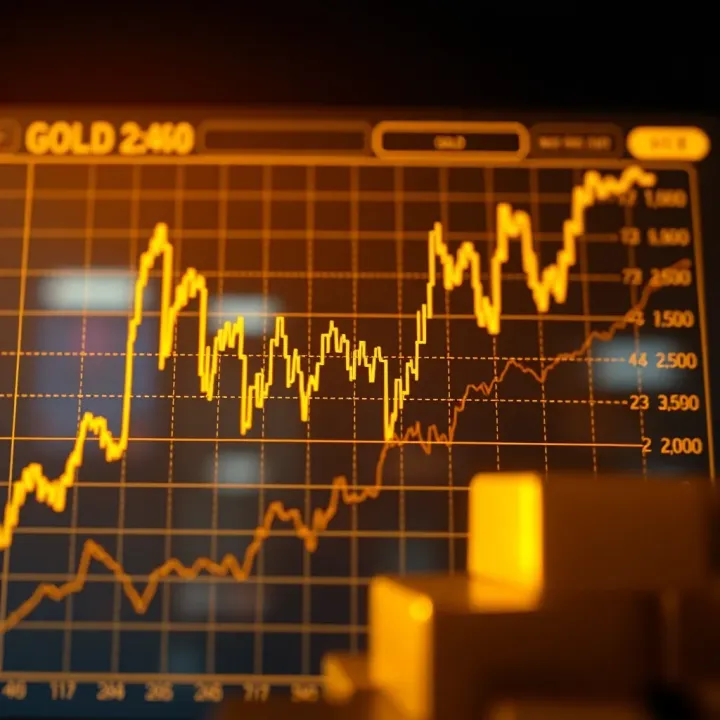
Today's Gold Price Outlook and Market Factors
📈 Track today’s gold price in Pakistan with insights on economic indicators, geopolitics, and local demand. Stay informed for smarter investment decisions!
Edited By
Emily Thornton
Gold remains a crucial asset for Pakistani investors, especially when currency shifts and economic uncertainties persist. Today, gold prices reflect a mix of global market reactions and local factors, including the rupee's strength, inflation trends, and political stability. Understanding these intertwined elements helps you predict short-term movements and plan trades or purchases wisely.
Pakistan's gold market does not operate in isolation. International gold rates, US dollar strength, and geopolitical tensions all send ripples that affect prices in Karachi and beyond. For instance, a sudden spike in tension in the Middle East or trade-related news from China can quickly push prices upwards.
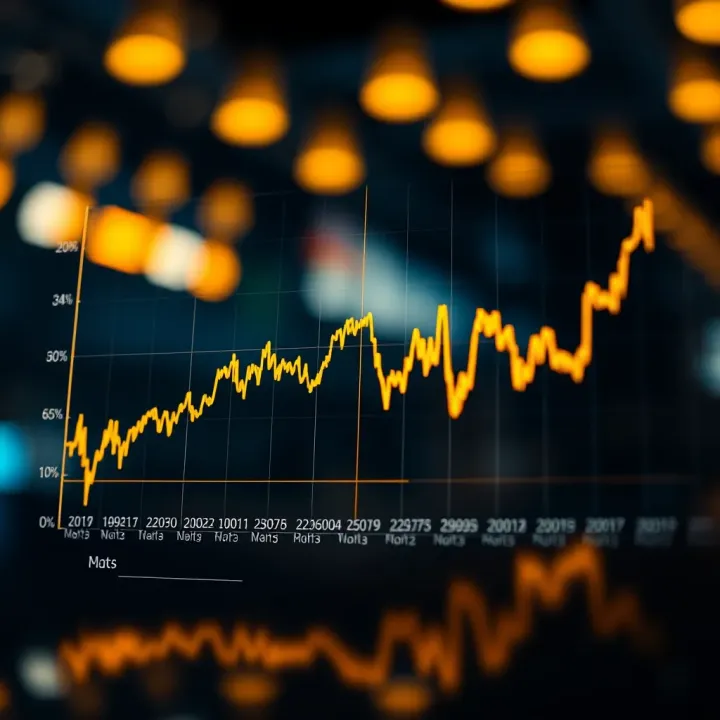
Locally, the rupee's exchange rate against the US dollar heavily influences the domestic gold rate. When the rupee weakens, gold prices in Pakistan typically rise in rupee terms, making it costlier for everyday consumers but an attractive hedge for investors worried about inflation.
Traders should keep an eye on the State Bank of Pakistan’s (SBP) monetary policy announcements and inflation figures, as these directly impact currency value and, consequently, gold prices.
Price volatility also depends on demand dynamics. In Pakistan, gold buying surges around festivals like Eid and wedding seasons, pushing local prices higher. Conversely, lower demand in less active months can ease price pressure. Seasonal trends, combined with global events, make gold trading a nuanced game.
Important factors affecting today’s gold price include:
US Dollar Index movements
Crude oil price changes
Pakistan’s import policies and customs duties
Inflation rates in Pakistan and globally
Political developments and economic reforms
Being updated about these variables allows investors and brokers to react quickly and avoid losses. For example, if crude oil prices rise, inflation in Pakistan often follows, nudging gold prices up as well.
In summary, today's gold price forecast for Pakistani investors hinges on a complex web of local and international factors. Staying informed on currency trends, economic indicators, and geopolitical developments helps navigate this volatility with better confidence.
Understanding current gold price trends is key for investors and traders in Pakistan, given gold's longstanding role as a reliable store of value. These trends reflect both local market conditions and global influences, impacting decisions on when to buy or sell. Stakeholders benefit from tracking daily price changes as they help in planning investments, managing portfolio risk, and timing transactions optimally.
Local gold prices in Pakistan are usually quoted in rupees per gram and per tola—the traditional weight unit equal to 11.66 grams. As of today, the price per tola hovers around Rs 145,000, while per gram rates fluctuate near Rs 12,400. Knowing these specific figures is practical for investors and jewellers alike, since most gold transactions, whether in jewellery shops or investment markets, rely on these local measures. For instance, a buyer interested in purchasing a half tola pendant will calculate the cost based on today's news market rates.
On the international stage, gold prices are quoted per ounce in USD. Price variations abroad directly influence Pakistan's market due to gold import dependency. When global prices rise, local prices tend to increase as well, adjusted for currency exchange rates, taxes, and import duties. Comparing today’s gold rate in Karachi or Lahore with the international spot price helps investors spot potential value gaps or premiums specific to Pakistan’s market.
Gold prices in Pakistan saw noticeable volatility over the past week, with daily swings exceeding Rs 300 per gram on some days. This fluctuation reflects sensitivity to economic data releases and currency movements. For example, when the rupee weakened sharply against the US dollar last Friday, local gold rates jumped as importing gold became costlier. Such price volatility offers opportunities for short-term traders but demands careful timing and monitoring.
Several factors explain these recent fluctuations. One major driver is the fluctuating PKR-USD exchange rate; as the rupee declines, gold becomes a go-to asset for hedging. Meanwhile, global influences such as US inflation data and Federal Reserve interest rate talk impact international gold demand, indirectly affecting Pakistan’s rates. Also, local demand spikes around festivals or wedding seasons can push prices up, while supply constraints from import restrictions add another layer of unpredictability. Recognising these elements helps investors understand not just the numbers, but the forces behind them.
Keeping an eye on both local gold prices and international benchmarks, coupled with awareness of currency trends and seasonal demand, equips Pakistani investors to make informed calls in a fluctuating market.
Monitor daily Rs/g and Rs/tola prices
Compare with USD per ounce international rate
Track PKR exchange fluctuations
Consider local demand shifts and policy changes
This approach ensures that decisions around gold buying or selling are based on a clear picture rather than guesswork.
Understanding the factors influencing gold prices today is essential for anyone trading or investing in Pakistan. Gold doesn't move in isolation; its price reflects shifts in economics, politics, and local market conditions. Pakistani investors who grasp these drivers can better time their moves and protect their investments.
Inflation tends to push gold prices up. When the cost of living rises, people seek assets that hold value, and gold often fits this role. For instance, with Pakistan's inflation hovering around 14% in recent months, many investors have turned to gold as a hedge against their local currency losing purchasing power. This increased demand naturally drives prices higher.
Investors should keep an eye on Pakistan's Consumer Price Index (CPI) reports issued monthly. Sharp inflation spikes usually mean a potential surge in gold buying, as people try to shield their savings from eroding value.
Gold prices in Pakistan heavily depend on the exchange rate of the Pakistani Rupee (PKR) against the US Dollar (USD). Since gold is priced internationally in USD, a weakening rupee makes gold costlier locally. For example, when PKR slipped from Rs 280 to Rs 287 against the dollar recently, the gold price per tola saw a noticeable rise despite steady international rates.
This direct relationship means investors must track forex market trends closely. If the rupee is under pressure—due to current account deficits or foreign reserve drops—expect local gold prices to climb. Hedge strategies often incorporate this currency factor.
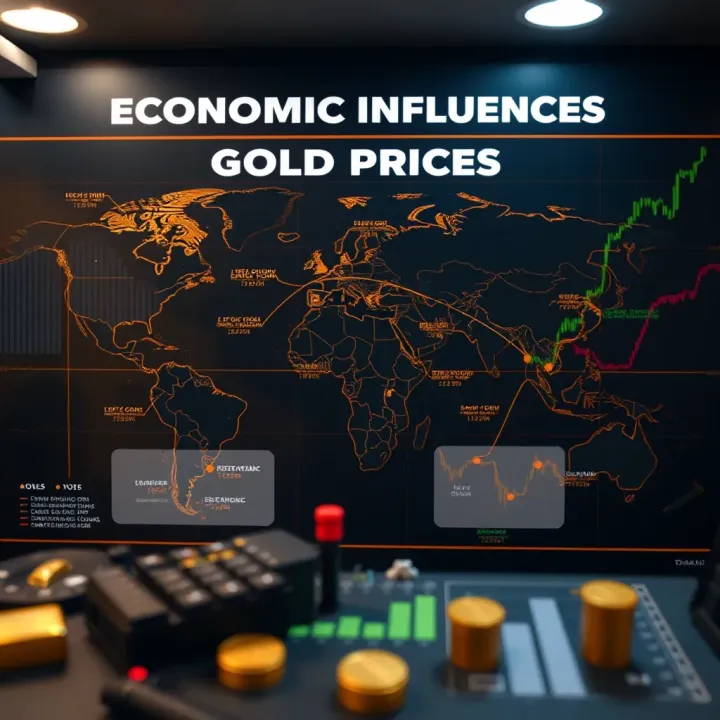
Conflict zones and international disputes create uncertainty, which generally boosts gold's appeal as a safe asset. Tensions near Pakistan's borders or global flashpoints like the Middle East often trigger spikes in demand. For instance, during recent border skirmishes, local gold prices climbed even though global markets remained calmer.
Such events typically increase investor risk aversion, leading them to invest in gold temporarily to safeguard wealth. Keeping tabs on news about regional conflicts can thus provide early signals for gold price movements.
Pakistan's gold supply depends largely on imports, which are influenced by government-imposed tariffs and trade policies. In the past, increasing import duties or taxes made gold more expensive in the domestic market. A recent rise in customs duties, for example, led to a Rs 200-300 hike per tola.
Changes in trade rules—such as easing import restrictions or altering tax rates—have immediate effects on availability and price. Investors and traders should watch announcements from the Ministry of Commerce and the Federal Board of Revenue (FBR) to anticipate shifts.
Gold buying in Pakistan isn't purely investment-driven. Cultural events, especially weddings and religious festivals like Eid, significantly boost jewellery demand. During wedding seasons, jewellers report a spike in sales, directly pushing up gold prices due to increased local demand.
This pattern means that price changes may follow seasonal rhythms. Investors should plan purchases or sales around these periods to capitalise on market trends.
Gold supply in Pakistan faces constraints from import policies. Delays or limits on gold shipments through customs create scarcity, often leading to premium prices. Last year, import restrictions during the pandemic caused temporary shortages and higher local rates.
Monitoring government policy on gold imports provides insight into potential supply squeezes. Investors aware of such restrictions can avoid sudden price shocks by adjusting their buying strategies accordingly.
Gold's price reflects a mix of global economics, currency strengths, political stability, and local market habits — understanding these factors gives Pakistani investors a real edge.
Track inflation and currency trends closely.
Stay updated on geopolitical developments.
Plan for seasonal demand cycles.
Watch import policies from government sources.
This holistic approach helps navigate Pakistan's unique gold market environment confidently and profitably.
Understanding the signals that the gold market sends is vital for Pakistani investors aiming to make timely decisions. These signals provide insights into where prices might head next, allowing traders and investors to manage risks and spot opportunities before the crowd moves. Whether you are a broker or an individual investor, interpreting these signals accurately can improve your chances of better returns.
Moving averages and trend lines are among the primary tools used to capture the direction and momentum of gold prices. A moving average smooths out daily price fluctuations by calculating the average price over a specific period, like 20 or 50 days. This reveals the prevailing trend — rising averages suggest an upward trend, while declining ones indicate downward momentum. Pakistani investors often watch the crossover of short-term and long-term moving averages. For example, when the 20-day moving average crosses above the 50-day line, it can signal a buy opportunity, as seen in recent trends on the Karachi gold market.
Trend lines, on the other hand, connect significant price points on a chart to highlight support or resistance zones. These lines help assess whether prices are respecting certain levels or developing new trends. For instance, drawing an ascending trend line through the lows during a price rally shows persistent buying interest, a key factor for timing entries.
Support and resistance levels mark price points where gold tends to pause or reverse. Support acts like a floor supporting the price, while resistance works as a ceiling it struggles to break through. Recognising these zones in Pakistan’s gold price charts helps investors plan their buys and sales carefully. For example, if gold repeatedly bounces off Rs 10,500 per gram (support), investors might consider buying near that level expecting a bounce.
Conversely, resistance at Rs 11,000 could signal where profit-taking intensifies. If gold breaks this resistance strongly, it might head higher, encouraging traders to hold longer. These patterns emerged clearly during the last Ramadan season when demand pushed prices up but faced resistance at certain levels before the Eid festivities.
The impact of global economic data cannot be overstated. Reports on inflation, employment, and GDP growth from major economies like the US and China influence international gold prices, which subsequently affect Pakistan's market. For instance, higher inflation figures in the US often raise gold’s appeal as an inflation hedge, pushing its price up worldwide. Pakistani investors watching economic releases such as the US Consumer Price Index (CPI) or Federal Reserve policies can anticipate ripple effects on local gold rates.
The role of central banks and reserve holdings also shapes gold price movements. Central banks around the world, including Pakistan’s State Bank, hold substantial gold reserves and trade actively to manage currency stability and economic policy. If a central bank decides to increase its gold reserves, it creates demand that can drive prices higher. In 2023, increasing gold purchases by Asian central banks coincided with upward pressure on prices, noticeable even in Pakistan’s physical market.
Monitoring both technical signals and fundamental factors allows Pakistani investors to build a well-rounded view of gold’s price trajectory, balancing short-term market psychology with long-term economic shifts. This approach can prevent rash decisions during volatile periods and guide investment towards better outcomes.
By keeping these tools and insights in mind, investors and traders operating in Pakistan’s gold market can respond more wisely to price changes and optimise their strategies accordingly.
Understanding the right tactics for buying and selling gold can protect investors from pitfalls and boost returns. Whether you are a seasoned trader or a first-time investor, practical guidance helps you navigate market ups and downs with confidence. This section focuses on timing your trades and choosing trustworthy sellers, which are crucial for making sound decisions in Pakistan's unique gold market.
When to buy gold in Pakistan often depends on local market trends and international movements. Buying gold during a dip or after a minor price correction usually offers a better chance of gaining when prices rise again. For example, gold prices typically fall when the US dollar strengthens or during periods of political stability in Pakistan. Keeping an eye on currency fluctuations, especially the PKR/USD rate, can give you an edge. Investors should also watch for inflation data releases or major economic announcements that might affect gold demand.
Selling strategies to maximise returns require attention to market cycles and personal financial goals. Rather than selling immediately during a price spike, consider setting target prices based on historical highs or resistance levels identified through basic technical analysis. For instance, if gold reaches Rs 15,000 per tola (a common benchmark), you might split your holdings and sell parts gradually instead of all at once. This approach prevents missing out if the price continues rising while securing profits during temporary peaks.
Trusted gold dealers and jewellers play a critical role in ensuring authentic transactions. In Pakistan, established jewellers in Karachi’s Saddar, Lahore’s Liberty Market, and Islamabad’s Jinnah Super Market have built reputations over decades and usually offer fair prices along with proper buyback options. Avoid making rush purchases from unverified sources, street vendors, or online sellers without credible reviews. Genuine dealers also provide official receipts necessary for warranty and resale.
Verifying gold purity and certification is essential to avoid loss or fraud. Pakistani gold buyers should insist on a proper assay certificate or a hallmark, which indicates the karat purity and confirms compliance with Pakistan Standards and Quality Control Authority guidelines. Requesting these documents before completing a purchase ensures you get value for your money, especially because gold’s value closely ties to its purity. For larger transactions, consider portable gold testers or visiting government-assigned assaying centres to double-check authenticity.
Always remember, buying gold isn’t just about the price but also the trustworthiness of the source and thorough verification to avoid costly mistakes.
By following these tips, Pakistani investors can manage risks better and benefit from gold's historic standing as a safe asset amid volatility.
Currency movements, especially between the Pakistani Rupee (PKR) and the US Dollar (USD), have a clear impact on gold prices in Pakistan. Since gold is globally priced in USD, any change in the exchange rate affects how much gold costs in local currency. When the PKR weakens against the USD, gold becomes more expensive in Pakistan, even if the international gold rates stay steady.
The direct correlation between the PKR-USD exchange rate and gold prices hinges on import costs and purchasing power. Pakistan imports a major portion of its gold, so a depreciation in PKR raises the rupee cost of acquiring gold abroad. This increase often gets passed on to local consumers and investors, pushing the domestic gold price higher. Conversely, when the rupee strengthens, gold imports get cheaper, leading to relatively lower prices in the local market.
For example, during early 2023, the PKR lost ground against the dollar amid economic uncertainties. Gold prices in Pakistan climbed sharply, despite only modest rises in international gold rates. This showed how currency weakness itself drives demand for gold as a safeguard against rupee depreciation.
Similarly, during brief periods when the PKR strengthened due to inflows like remittances or IMF support, gold prices eased or stabilised even when global gold prices surged. These examples underline how crucial it is to watch PKR-USD trends alongside gold rates to predict price movements accurately.
Gold acts as a reliable safe-haven asset for Pakistani investors looking to protect themselves from currency risk. When the rupee faces downward pressure, holding gold can preserve value better than holding cash or rupee-denominated assets. This makes gold a popular choice during times of economic instability or political uncertainty.
For instance, many investors turned to gold in 2022 when inflation soared and PKR fell sharply. Those holding physical gold or gold-backed financial products saw their portfolios shielded against losses caused by currency depreciation.
However, practical considerations matter. Investors should be aware of gold purity, storage costs, and liquidity before buying physical gold. Financial gold products like gold ETFs or jewellery with certified purity offer alternatives but come with their own risks and charges.
Besides, gold does not pay dividends or interest, so it works best as part of a diversified portfolio. Keeping an eye on currency forecasts and geopolitical developments can help investors decide when to increase or decrease their gold exposure.
Monitoring exchange rates closely helps Pakistani investors use gold strategically, balancing potential gains against currency risks effectively.
To sum up, understanding PKR-USD exchange rate movements and gold's role as a currency hedge equips investors with better tools to handle the unpredictable gold market in Pakistan. This knowledge can improve timing and decision-making when buying or selling gold today.
Understanding the outlook for gold prices in the coming weeks helps investors and traders in Pakistan make better decisions. Prices can shift quickly due to multiple factors, so keeping an eye on forecasts and upcoming events allows you to plan buying or selling strategies more effectively. Knowing what might influence the market next helps avoid surprises and potential losses.
Market analysts regularly assess gold price trends using global economic data, geopolitical events, and currency movements. Many experts currently expect moderate price increases in gold due to persistent inflation and the weakening of the Pakistani rupee against the US dollar. For example, some analysts forecast gold prices rising by Rs 200–300 per tola in the next few weeks based on current global patterns.
However, predictions vary depending on which data experts prioritise. While some foresee steady growth, others warn of possible corrections if economic conditions improve faster than expected. This variety in views highlights the need to monitor several sources rather than rely on a single forecast.
Factors that could change the forecast include unexpected shifts in US Federal Reserve policies, sudden geopolitical tensions, or changes in Pakistan’s import regulations. For instance, if the SBP decides to stabilize the rupee strongly, this could slow gold price rises or even cause temporary declines. Rapid resolution of regional conflicts can also reduce safe-haven demand for gold, affecting prices accordingly. Staying updated on these dynamic elements helps investors adjust their positions wisely.
Economic data releases such as inflation reports, SBP interest rate decisions, and foreign exchange reserves updates can send ripples through the gold market. In Pakistan, if inflation rises sharply or currency reserves dwindle, investors often turn to gold as a hedge, pushing up its price. Keeping track of the State Bank of Pakistan’s monetary announcements can provide valuable signals.
Political developments within Pakistan or the region also influence gold prices. Political instability, elections, or policy shifts often create uncertainty, encouraging safe-haven buying in gold. For example, during the last general election period, gold prices showed noticeable upward movement. Watching the political calendar and news helps anticipate these impacts ahead.
Monitoring expert opinions alongside upcoming economic and political events equips Pakistani investors with a clearer picture to navigate gold price fluctuations effectively.
By understanding these factors, traders and investors can better time their entries and exits, reducing risk and increasing chances of profitable decisions in Pakistan’s gold market.
📈 Track today’s gold price in Pakistan with insights on economic indicators, geopolitics, and local demand. Stay informed for smarter investment decisions!
📈 Today's Bitcoin price prediction reveals key market trends, expert insights, and risks shaping Pakistan's Bitcoin outlook. Stay informed and ahead! 💰
Explore Bitcoin Cash (BCH) price trends and expert forecasts! Get insights on what drives BCH value, tailored for Pakistani crypto enthusiasts 📊💸
📈 Discover key factors and market insights on XAU/USD, including trends, technical analysis, and risks for gold traders and investors in Pakistan. 💰
Based on 9 reviews