
Bitcoin Price Prediction: Trends and Influences on BTC Value
📊 Understand Bitcoin price prediction with key trend analysis, expert methods, and market challenges. Essential insights for Pakistani investors tracking BTC fluctuations.
Edited By
Thomas Greene
Understanding gold price movements is essential for investors, traders, and analysts who want to make well-informed decisions. Gold has traditionally been a safe haven during economic uncertainty, and its price reflects a complex interaction of global and local factors.
Prices fluctuate based on supply-demand dynamics, geopolitical tensions, currency values, and macroeconomic data. For instance, when the US dollar weakens, gold prices often rise due to their inverse relationship. Conversely, when interest rates rise, gold tends to lose appeal as it offers no yield.
In Pakistan, factors like import regulations, exchange rate shifts, and domestic demand during festivals such as Eid heavily influence local gold prices. Pakistani investors usually pay close attention to remittance flows and State Bank of Pakistan policies, as these affect the rupee’s strength and thus gold’s affordability.
Experts rely on technical analysis, fundamental data, and market sentiment to predict price changes:
Technical indicators like moving averages and Relative Strength Index (RSI) help spot trends and potential reversals.
Fundamental factors include inflation rates, geopolitical events, and changes in central bank gold reserves.
Market sentiment captures investor behaviour through data such as futures positioning and trading volumes.
For Pakistani investors, combining these approaches with a keen eye on local economic conditions and government policies is key to navigating gold markets effectively.
By grasping these drivers, investors can better anticipate price shifts and tailor their strategies accordingly. Whether hedging against inflation or seeking capital appreciation, knowing what moves gold prices helps mitigate risks and capitalize on opportunities in both the local and global contexts.
Understanding how gold prices work is essential for anyone looking to invest or trade in this precious metal. Gold pricing is influenced by a mix of factors, from local demand spikes to global market swings. Knowing these basics helps investors avoid surprises and make better-timed decisions.
Supply and demand dynamics play a big role in setting gold prices. When demand rises—say during festival seasons in Pakistan, or when investors seek safe havens amid global uncertainties—prices tend to climb. Conversely, if large amounts of gold flood the market, perhaps from mine outputs or central bank sales, prices may ease. For example, during recent wedding seasons, gold demand in Karachi and Lahore often pushes local prices slightly above international rates.
The role of global markets and exchanges is equally important. Most gold trading happens on major exchanges like the London Bullion Market or New York's COMEX. Prices quoted here reflect international supply-demand balance, which local markets track closely. Pakistani investors notice how a dip in London’s gold price often translates into slightly lower rates at local goldsmiths, after factoring in import duties and currency impacts.
Currency fluctuations, especially the US dollar's strength, have a direct effect too. Since gold is priced in dollars, a weaker Pakistani Rupee against the dollar makes gold more expensive locally. For instance, when PKR drops against USD, import costs rise, and gold prices in Pakistan often surge even if global prices stay steady. This interplay means investors must keep an eye on exchange rates alongside gold prices.
Reviewing price trends over the last decade shows that gold prices generally rose steadily, but with notable ups and downs reflecting wider economic shifts. For example, from 2011 to 2020, gold climbed from roughly $1,500 per ounce to over $1,900 amid inflation worries and geopolitical tensions. However, between 2013 and 2015, prices dipped due to global economic recovery signs and stronger dollar periods.
Looking at notable price spikes and their causes helps investors prepare for sudden shifts. The 2020 gold price surge past $2,000 per ounce happened as COVID-19 sparked uncertainty worldwide, pushing investors toward safe assets. Similarly, political crises or war threats often trigger short-term gold price jumps, as investors seek stability in turbulent times.
Understanding these fundamentals equips you to interpret price moves and forecast trends with greater confidence, especially in Pakistan’s unique market influenced by currency swings and local demand cycles.
Gold prices rarely move without reason. Several key factors influence their rise and fall, both on a global scale and within Pakistan's unique economic landscape. Understanding these helps investors predict trends and make wiser choices.
Inflation rates and monetary policy shape gold's appeal significantly. When inflation spikes, the real value of paper currency falls, making gold an attractive store of value. For example, during periods when the US inflation rate crosses 5%, investors often flock to gold to protect their wealth. Central banks' monetary policies, like increasing money supply, can also signal future inflation, further driving gold demand.
Geopolitical tensions and crises push gold prices upwards as investors seek safety. Events such as conflicts in the Middle East or trade wars between major economies often trigger a surge in gold buying. For instance, during the 2022 Ukraine conflict, gold prices jumped because global uncertainty made investors shy away from riskier assets.
Interest rate decisions by major central banks impact gold demand considerably. Generally, when central banks like the US Federal Reserve raise interest rates, gold prices tend to drop since higher rates make bonds and savings more appealing. Conversely, rate cuts usually strengthen gold, as the opportunity cost of holding non-yielding assets lowers. Pakistani investors should keep an eye on these decisions as they reverberate through markets worldwide.
The Pakistani Rupee exchange rate volatility directly affects gold prices locally. Since gold imports are priced in US dollars, a devaluation of the Rupee means higher costs in PKR terms. For example, when the Rupee slipped from Rs 160 to Rs 180 against the dollar in recent years, gold prices in Pakistan climbed sharply, impacting domestic buyers.
WAPDA charges and inflation impact on consumer behaviour more than you might expect. Rising electricity bills and overall inflation squeeze household budgets, causing many consumers to delay or reduce gold purchases. This shift weakens demand temporarily despite global price trends. Traders notice these patterns, especially during seasons of heavy loadshedding which add to monthly expenses.
Demand patterns during festivals and weddings play a vital role in Pakistan’s gold market. Festivals like Eid and wedding seasons typically see a spike in gold buying, as gifting gold is a traditional practice. This surge can push local prices higher, irrespective of global trends, offering strategic windows for investors and brokers to time their moves.
Understanding both international economic signals and local market nuances is essential for anyone dealing with gold in Pakistan. Ignoring one or the other often leads to missed opportunities or unexpected risks.
Key takeaways:
Inflation and central bank policies influence global gold demand and prices.
Geopolitical risks increase gold's safe-haven appeal.
Rupee depreciation raises local gold costs.
Domestic inflation and utility bills affect buying power.
Seasonal cultural demands create predictable price surges.
Keeping a close watch on these factors helps investors navigate gold price movements with a clearer perspective and practical timing strategies.
Predicting gold prices requires a combination of tools and approaches. Investors and traders alike use different methods to understand price movements and spot opportunities. This section breaks down three main approaches: technical analysis, fundamental analysis, and expert opinions, each offering distinct insights for those looking to navigate volatile gold markets effectively.
Moving averages smooth out price data to help identify overall trends. For example, a 50-day moving average tracks gold's average price over the last 50 days, filtering out daily fluctuations. When the gold price crosses above this moving average, it often signals an upward trend, suggesting a buying opportunity. Conversely, falling below the moving average might warn of a downtrend. Trendlines connect significant highs or lows on a price chart, providing visual cues about support and resistance levels. Pakistani investors watching gold price charts can spot these patterns on platforms like MetaTrader or local broker apps to time trades better.
The Relative Strength Index (RSI) measures the speed and change of price movements, signalling when gold is overbought or oversold. An RSI above 70 indicates gold might be overpriced and due for a correction, while below 30 suggests undervaluation. The Moving Average Convergence Divergence (MACD) indicator compares two moving averages to show momentum shifts. When the MACD line crosses above the signal line, this often marks bullish momentum. These tools together help traders avoid rushing into buying or selling at extreme points, reducing risks amid the rupee's volatility.
Gold is often seen as a hedge against inflation, making its price sensitive to rising consumer prices. When Pakistan’s inflation rate climbs, demand for gold typically increases, pushing prices up. Similarly, fluctuations in the Pakistani Rupee against the US dollar affect local gold prices. A weaker rupee means importing gold becomes costlier, lifting jewellery prices and investment demand. Tracking Pakistan’s inflation data and exchange rate trends helps investors anticipate these impacts.
Global conflicts, trade tensions, or crises can trigger risk aversion, leading investors to seek safe-haven assets like gold. For instance, tensions in the Middle East can spur demand as uncertainty rises. Additionally, growing demand from large markets such as India and China shapes global gold consumption and prices. Pakistani investors should keep an eye on international developments and reports from bodies like the World Gold Council to understand potential price shifts.
Market analysts and institutions regularly publish gold price forecasts based on comprehensive data analysis. Their insights help investors gauge potential price directions. Pakistani investment firms and banks often release periodic reports summarising expert views, which can guide decision-making, especially for newcomers unfamiliar with chart reading or macroeconomic indicators.
Sentiment indicators measure investor mood and can signal turning points by showing whether market participants are overly bullish or bearish. Still, they are imperfect tools since sudden news or unexpected events can disrupt trends instantly. Relying solely on sentiment risks misjudging market moves, so it’s best combined with technical and fundamental analysis for balanced judgement.
Successfully predicting gold prices involves blending multiple techniques. Local investors benefit most by combining chart analysis, economic understanding, and expert insight to stay ahead in a market that responds not just to numbers but also to sentiment and global events.
Forecasting gold prices involves navigating a complex web of risks and uncertainties. Predicting these prices isn't straightforward because market forces can change suddenly, influenced by local and international developments. For traders and investors, recognising these risks helps prepare better strategies and avoid pitfalls.
Sudden policy changes can dramatically alter gold prices. For instance, if a central bank unexpectedly hikes or cuts interest rates, it directly affects currency values and inflation expectations, which in turn sway gold demand. Pakistan’s own State Bank policies or US Federal Reserve moves often cause such ripples. Sudden taxes on imports or restrictions on gold trade introduced by governments can also shock the market, throwing off previous forecasts.
Global crises impact is another key challenge. Events like a geopolitical conflict, economic sanctions, or even a pandemic create uncertainty that boosts gold’s appeal as a safe haven. For example, during the Russia-Ukraine conflict, gold prices surged globally as investors moved away from riskier assets. These unpredictable happenings can upset gold price trends, making it tough to rely solely on historical data or technical analysis.
The role of large investment funds in influencing gold prices cannot be overlooked. Big players like hedge funds or sovereign wealth funds can move markets by buying or selling vast amounts of gold or gold futures, creating artificial price swings. In Pakistan’s context, local jewellers and bullion traders also sometimes impact prices through bulk purchasing during festival seasons, adding to fluctuation unpredictability.
Volatility caused by speculative activities further complicates forecasts. Traders aiming for quick profits buy and sell gold contracts rapidly, exaggerating price movements that might not reflect real supply-demand changes. This speculation triggers sharp upsurges or drops that can mislead investors relying only on numbers, ignoring the market’s psychological factors.
For investors and analysts, understanding these risks is crucial to avoid costly mistakes and develop more resilient gold investment plans. A blend of fundamental insight and cautious market watch helps mitigate surprises from sudden shifts or manipulative trends.
Pakistani investors should pay close attention to timing and method when investing in gold due to the unique economic and cultural factors shaping the local market. Understanding price movements in relation to global trends, local currency conditions, and seasonal demand can help maximise returns and reduce risks. This section focuses on practical strategies and alternative investment options suitable for Pakistani contexts.
When to buy or sell based on price cycles: Gold prices often move in cycles influenced by global economic shifts, inflation trends, and central bank policies. Pakistani investors benefit by identifying these cycles—buying during price dips and considering sales when prices reach local peaks. For example, a dip in the US dollar or easing geopolitical tensions can trigger lower gold prices, presenting buying opportunities. Monitoring such patterns alongside local currency volatility helps investors avoid entering the market at a high point.
Considering festival and wedding seasons: Demand for gold in Pakistan rises sharply around Eid, weddings, and other festive occasions. This seasonal surge typically pushes prices up due to increased local demand. Investors looking to buy gold should consider timing their purchases before these periods to avoid inflated prices and aim to sell during or just after when demand—and therefore prices—peak. For instance, purchasing gold in mid-Sha'ban or early Ramadan can secure better rates ahead of Eid festivities.
Physical gold versus gold savings certificates: Holding physical gold is popular in Pakistan for its tangible security and cultural value. However, risks include theft and purity concerns. Gold savings certificates, issued by government bodies or commercial banks, offer a paper-backed alternative. These certificates allow investors to gain exposure to gold prices without physical storage hassles, often with better liquidity and ease of transfer. Choosing between these depends on personal preference, risk tolerance, and intended investment horizon.
Gold ETFs and digital gold platforms in Pakistan: Exchange-Traded Funds (ETFs) linked to gold prices provide an accessible way for investors to enter the gold market without owning physical metal. In Pakistan, the gold ETF market is still nascent but growing steadily. Digital gold platforms linked to JazzCash or Easypaisa now allow buying smaller quantities easily, sometimes backed by allocated physical gold held by trusted custodians. These options offer convenience, lower transaction costs, and faster execution compared to traditional methods, making them increasingly attractive for urban investors.
Timing your entry and choosing the right investment vehicle are key for Pakistani investors to navigate gold price fluctuations effectively and protect their portfolios from local market peculiarities.
By combining awareness of local demand cycles with modern investment options, Pakistani investors can optimise gold investments tailored to their needs and financial goals.
📊 Understand Bitcoin price prediction with key trend analysis, expert methods, and market challenges. Essential insights for Pakistani investors tracking BTC fluctuations.
Explore Arbitrum price trends, key influences, and market outlook 📈 Get insights on its Ethereum layer-2 role and what affects its future value 🔍
Explore Gala Coin's future price trends 📉📈 through market insights, gaming impact, and investment risks for Pakistani crypto enthusiasts. Stay informed and prepared.
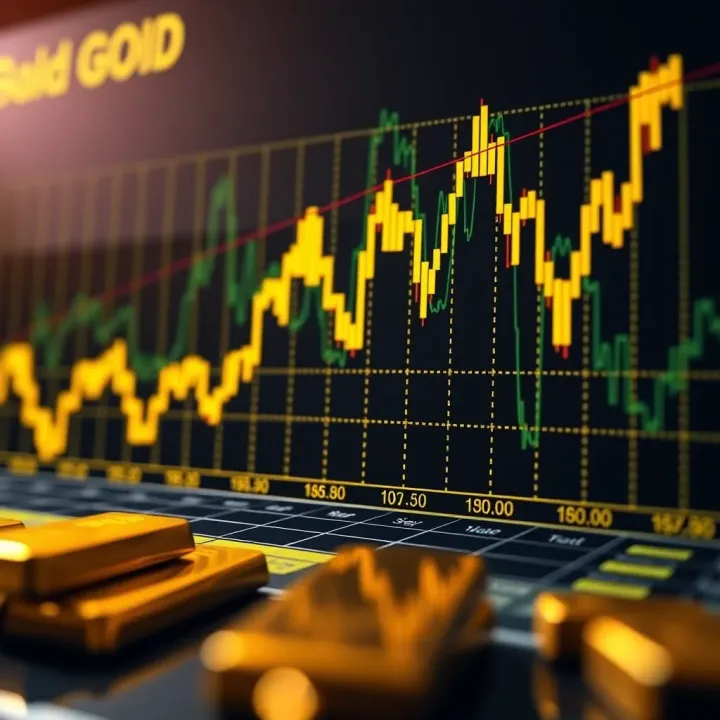
📈 Explore gold price trends, influences from global economy and monetary policies, plus Pakistan-specific demand insights to forecast future gold market prospects wisely.
Based on 8 reviews