
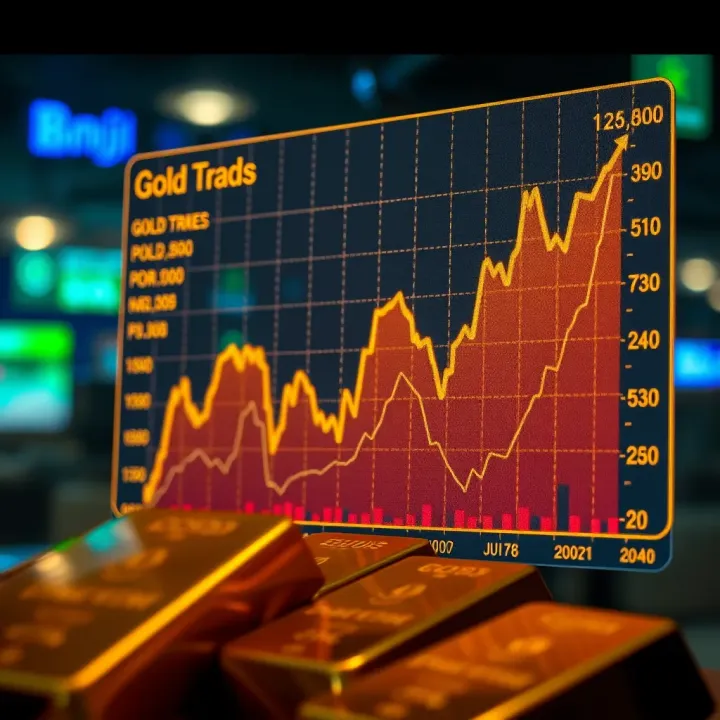
Gold Rate Tomorrow in Pakistan: What to Expect
📈 Discover what drives tomorrow's gold rate in Pakistan, from market trends to local demand. Stay ahead with practical tips for buyers & investors!
Edited By
Oliver Mitchell
Gold holds a special place in Pakistan's culture and economy, often seen as a reliable store of value and a popular investment. For traders, investors, and analysts alike, understanding the factors that drive gold rates is essential to making smart decisions. The market is complex, influenced by both local conditions and global shifts.
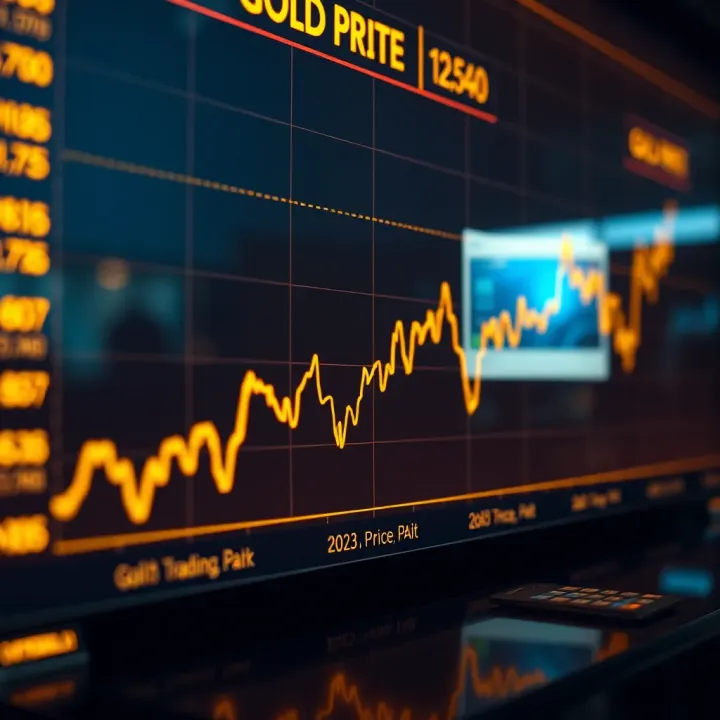
In Pakistan, gold prices typically move in response to the international market, especially the New York Gold Exchange rates. Currency fluctuations, particularly the Pakistani Rupee against the US dollar, also heavily impact the local gold rate. When the rupee weakens, gold becomes more expensive for Pakistani buyers. This year, for example, the Rupee's depreciation added upward pressure on gold prices.
Several factors shape gold prices in Pakistan:
International demand and supply: Global economic uncertainty, inflation fears, and geopolitical tensions raise demand for gold as a safe haven.
Currency movements: A sharp decline in the rupee against the dollar increases gold rates locally.
Government policies: Import duties, taxes, and regulatory policies by the Federal Board of Revenue (FBR) and State Bank of Pakistan (SBP) influence gold trading costs.
Pakistan's internal factors: Changes in jewellery demand, wedding seasons, and informal market trading also affect short-term price movements.
Investors should note that the price of gold in Pakistan doesn’t only track global trends but is also sensitive to local economic policies and currency shifts.
For brokers and investors, knowing when and why gold prices move helps in timing purchases or sales better. For instance, during Ramazan and Eid seasons, demand spikes tend to hike gold prices. Conversely, SBP’s monetary policies impacting the rupee can signal future price shifts.
Recognising these local and global patterns offers a practical edge, especially when combined with expert forecasts. This clarity arms traders to navigate volatility and helps educators provide ground realities to students studying economic trends.
In the sections ahead, we'll explore detailed market analyses, government policy impacts, and practical investment strategies tailored for the Pakistani gold market.
Understanding how gold prices move in Pakistan is key for traders, investors, and analysts who want to make smart decisions. Gold isn’t just a commodity here; it serves as a store of value during times of economic uncertainty, currency fluctuations, and inflation. That means knowing why gold prices rise or fall helps you spot opportunities or risks ahead of time.
Gold rates in Pakistan have seen notable shifts over the last decade. For instance, during the 2019-2020 period, the price jumped sharply due to currency depreciation and rising inflation. More recently, between late 2022 and early 2023, gold prices surged as the Pakistani rupee weakened against the dollar. These movements are important to note because they often signal wider economic shifts affecting buying power and investment strategies.
Economic events like budget announcements, SBP (State Bank of Pakistan) monetary policy changes, or sudden geopolitical tensions tend to influence gold prices. For example, during times of uncertainty such as the COVID-19 pandemic, gold acted as a safe haven, pushing prices upwards. This pattern shows that gold prices in Pakistan respond strongly to national and global economic shocks, making timing crucial for investors.
Domestic economic factors play a strong role. Inflation rates, interest rate changes by SBP, and current account deficits directly affect gold demand. When inflation climbs, people seek gold to preserve wealth. Similarly, if interest rates remain low, gold becomes a more attractive asset compared to saving accounts or bonds. Monitoring these indicators helps predict short-term gold price trends in Pakistan.
The global gold market also impacts local prices. Events like increased gold purchases by central banks or reduced mine output affect international supply-demand balance. For example, China's or India’s changing gold demand can cause global price swings felt in Pakistan. Also, gold is traded globally in USD, so trends in global markets often set the tone for Pakistan’s gold rates.
The Pakistani rupee's exchange rate against the US dollar heavily influences gold prices here. Since gold is priced in dollars worldwide, a weakening rupee means higher local prices. For instance, if the dollar strengthens from Rs 280 to Rs 300, gold becomes costlier in rupees despite stable dollar prices. This exchange rate effect often leads investors to buy gold as hedging against currency risk.
Keeping an eye on currency movements alongside economic data offers a clearer picture of where gold prices could head next in Pakistan.
Understanding these dynamics equips you to navigate the gold market confidently and to respond effectively to both local changes and global developments.
Understanding the current situation of gold prices in Pakistan is key for traders, investors, and analysts aiming to navigate this volatile market effectively. Recent economic challenges, government policies, and demand patterns all shape the price dynamics of gold, influencing investment decisions and risk management.
Gold prices in Pakistan have shown volatility due to rising inflation and a depreciating Pakistani rupee. Inflation eats away at purchasing power, pushing investors toward gold as a safe haven. Meanwhile, the weakening rupee makes gold imports costlier, which tends to raise local gold prices. For instance, between early 2023 and now, gold rates have jumped notably following depreciations of around 10% against the US dollar. This dynamic often makes gold a double-edged sword: as inflation rises, local demand increases, but rupee weakness raises costs for jewellers and importers.
In Pakistan, jewellery demand plays a significant role in gold price trends. Festivals like Eid and weddings trigger seasonal spikes in demand, which often push prices higher temporarily. Jewellery not only serves as a cultural asset but also as a liquid form of investment for many households, especially in rural areas. For instance, sales tend to surge during wedding seasons in Punjab and Sindh, impacting both retail and wholesale gold prices. This demand-driven movement must be tracked alongside global factors to understand local pricing fully.
Government policies on import duties significantly influence gold prices. High customs duties and federal excise tax (FET) on imported gold raise the base cost for local jewellers, which then reflects in retail prices. For example, over the past years, the government has adjusted import duties multiple times to manage trade deficits, which has had an immediate impact on gold pricing. Investors and traders must monitor such policy changes closely as they directly affect domestic gold affordability and supply.
Small and medium enterprises (SMEs) and jewellers face increasing regulatory compliance, shaping market operations. The Federal Board of Revenue (FBR) has ramped up requirements on tax filings and anti-money laundering measures, including mandatory invoicing for gold sales. These compliance costs add to operational expenses, which may indirectly affect pricing. For instance, jewellers who adopt formal record-keeping and tax payment tend to have narrower margins but benefit from reduced legal risks. Understanding these regulatory frameworks helps investors gauge market transparency and reliability.
Keeping track of these factors—the inflationary pressures, cultural demand patterns, import taxation, and regulatory environment—provides a clear picture of the current gold market’s ebb and flow in Pakistan. This insight is crucial for making informed investment decisions and anticipating price movement.
Gold prices rise with inflation but are sensitive to rupee fluctuations
Jewellery demand peaks seasonally, influencing short-term price spikes
Import duties and taxes add to gold’s cost base, affecting retail prices
Increasing compliance affects SMEs and jewellers' operating costs
This overview equips you with practical understanding to interpret market updates and forecasts better, helping maintain an edge in Pakistan’s gold market.
Expert predictions and forecast models play a significant role in shaping expectations for gold prices in Pakistan. They offer traders, investors, and analysts reliable insights based on economic data, market trends, and global influences. These forecasts are particularly useful in Pakistan's context, where gold is both an investment asset and a hedge against inflation and currency fluctuations.
Monetary policy decisions by the State Bank of Pakistan (SBP) directly affect gold rates. When SBP adjusts its policy rate to control inflation, it indirectly influences gold prices. For instance, higher interest rates typically strengthen the rupee and reduce demand for gold as a safe-haven asset. Conversely, persistent inflation pushes investors towards gold to preserve purchasing power, raising the price. Analysts use inflation trends and SBP's monetary stances to predict short- to medium-term price movements.
Banks and commodity experts provide forecasts considering various factors such as global gold demand, supply constraints, and Pakistan’s economic conditions. Financial institutions like major banks often release periodic outlooks grounded in data models, while commodity experts monitor physical gold flows and investor sentiment. Their predictions help investors time their entry or exit from the market effectively. For example, when international experts predict rising geopolitical risks, local demand for gold in Pakistan tends to spike.
Technical analysis helps identify critical price points where gold tends to stall or bounce back. Support levels act as a floor where buyers enter, preventing further price drops, while resistance levels cap upward movements. These technical signals are crucial for traders watching Pakistan's gold market, as they guide buying or selling decisions. For example, if the price nears a historical support zone around Rs 120,000 per tola, one might anticipate a rebound.
Gold prices often follow seasonal patterns influenced by cultural and economic cycles in Pakistan. Demand generally rises before Eid and wedding seasons, leading to price spikes. Similarly, global trends like year-end adjustments or festival-related buying in markets like India impact Pakistan’s prices too. Understanding these cycles helps investors anticipate price moves and plan purchases accordingly, reducing risks from sudden price changes.
Expert forecasts and technical analyses provide a clearer view for making informed decisions in Pakistan's complex gold market, balancing local dynamics with global cues.
Understanding practical advice for gold investors is essential to navigate Pakistan's unique gold market, influenced by local economic conditions, government policies, and cultural preferences. This section focuses on when and how to buy gold, alongside the risks investors need to watch out for to make informed decisions and protect their investments.
Timing purchases based on market cycles is a key factor for investors. Gold prices in Pakistan tend to fluctuate with inflation rates, currency depreciation, and global demand. For instance, demand spikes during Eid and weddings often push prices up. Therefore, buying gold ahead of these seasons, when rates are usually more stable or slightly lower, can save you a notable premium. Watching for dips caused by short-term rupee strength or government regulatory changes can also offer buying opportunities. Investors should track the Pakistan Stock Exchange (PSX) updates and currency trends alongside gold rates for better timing.
Choosing between physical gold, jewellery, or financial instruments depends on your investment goals and risk tolerance. Physical gold—bars or coins—offers tangible assets, easy to store, and often free from design costs, but requires safe storage. Jewellery is culturally popular but comes with making charges and less liquidity since resale value is often tied to craftsmanship and purity. Financial instruments like gold exchange-traded funds (ETFs) or gold certificates provide liquidity without storage worries but depend on the credibility of the issuing institution. In Pakistan, physical gold remains the preferred choice for most investors due to its cultural significance, yet growing interest in ETFs offers an alternative for those wary of storage or authenticity risks.
Market volatility and currency risk are major concerns. Gold prices can swing sharply in Pakistan due to fluctuating rupee exchange rates, especially when the rupee weakens against the dollar. For example, during rupee depreciation phases last year, domestic gold prices soared even as global gold prices held steady. This adds an extra layer of risk compared to investing in foreign markets. Moreover, international gold price shifts following geopolitical events or US Federal Reserve decisions can affect local rates unpredictably. Investors must be prepared for these ups and downs.
Storage and authenticity concerns are crucial when dealing with physical gold. Unsafe storage can lead to theft or damage, which can be costly. Utilizing bank lockers or professional vault services mitigates this risk. When buying jewellery, verifying purity through certified assay offices or jewellers recognised by the Pakistan Jewellers Association helps avoid counterfeit or substandard products. Buyers should always demand proper documentation, such as metal invoices and certificates of authenticity, to ensure their investment holds its value.
Smart gold investors in Pakistan balance market timing with careful choice of gold forms while staying alert to local risks like currency swings and authenticity issues.
📈 Discover what drives tomorrow's gold rate in Pakistan, from market trends to local demand. Stay ahead with practical tips for buyers & investors!
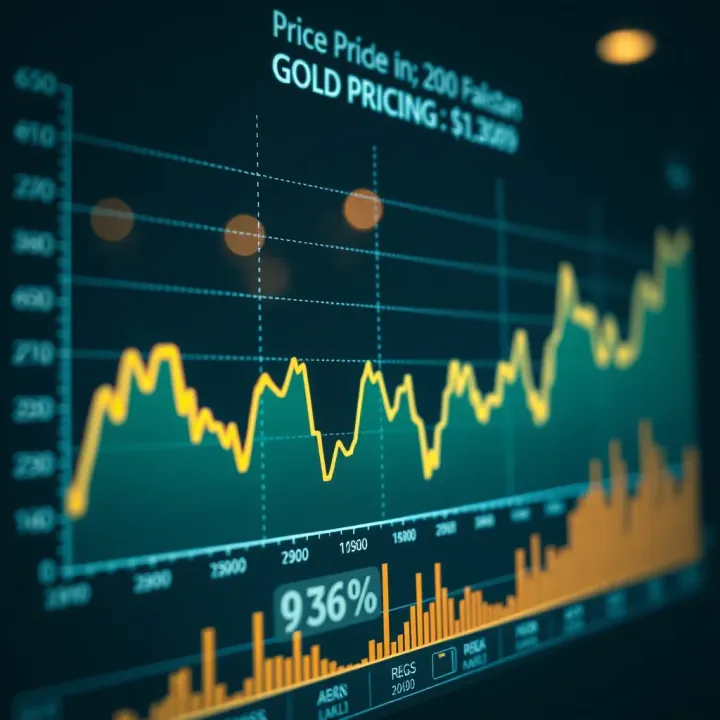
💰 Explore how gold rates in Pakistan are set, what drives their shifts, and practical buying tips to help you invest smartly in the gold market.
📈 Curious if the US dollar rate will rise next week in Pakistan? Explore how economic data, policies, and global events might sway the currency's path.
📈 Explore AED to PKR exchange rate trends and forecasts, plus how economic shifts and geopolitics impact Pakistan’s economy and your financial choices.
Based on 8 reviews