
Top Trading Websites for Pakistani Traders
Explore top trading websites for Pakistani traders 📈. Compare features, fees, security 🔒, and support across stocks, forex, crypto, and commodities to trade confidently.
Edited By
Oliver Barnes
Gold trading remains a vital part of Pakistan’s investment landscape, especially with economic uncertainty and fluctuating currency values. Today’s forecast focuses on the current factors moving gold prices, how global and local trends affect market behaviour, and what investors in Pakistan should watch closely.
Gold prices in Pakistan are largely influenced by the US dollar rate, global bullion demand, and geopolitical events. For example, recent tensions in the Middle East can quickly push prices higher as traders seek a safe haven. Locally, the rupee’s performance against the dollar plays a critical role. When the rupee weakens, gold imports become costlier, lifting domestic prices.
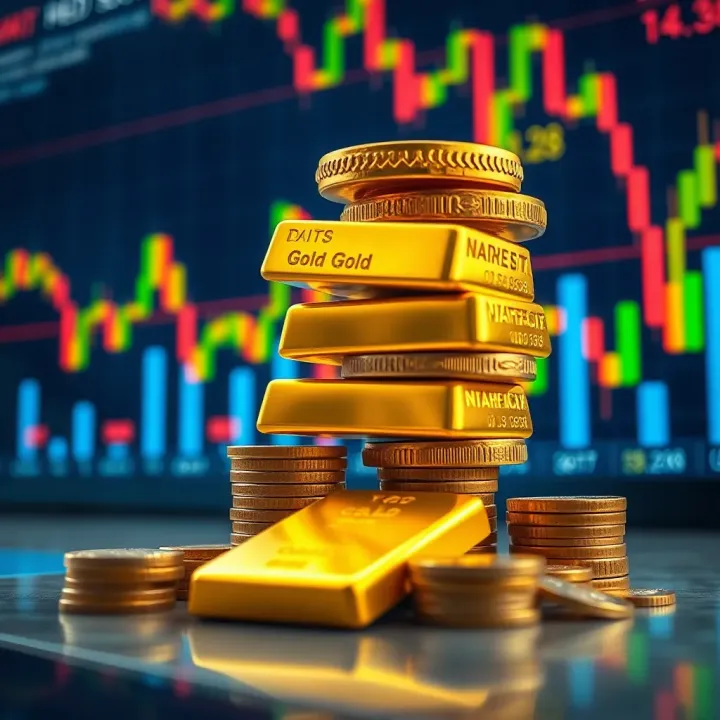
Some key points shaping today’s gold market include:
US Federal Reserve policies: Interest rate changes impact gold as they affect the dollar's strength and inflation expectations.
Inflation trends in Pakistan: Rising inflation drives investors towards gold to preserve purchasing power.
Jewellery demand: Seasonal and festival demand, such as ahead of Eid, tends to lift prices.
Speculative trading: Local traders often react to price fluctuations caused by global news and Pakistan's economic signals.
For Pakistani investors, staying updated on both international developments and rupee-dollar movements is essential for timing gold trades profitably.
Understanding these factors helps investors and traders anticipate price swings and make informed decisions. For instance, if SBP (State Bank of Pakistan) signals potential currency support, gold demand may dip briefly as confidence in the rupee improves. On the other hand, any fresh loadshedding worries or political instability can boost gold’s appeal as a hedge.
With global markets opening and closing at different hours, Pakistani traders should monitor late-night and early morning price updates from international exchanges like the London Bullion Market.
In short, gold trading in Pakistan today is a balancing act between global financial pulses and domestic economic conditions. A well-informed investor considers these elements together rather than in isolation to manage risks effectively and capture opportunities.
This article will break down key trends in detail and provide insights tailored for Pakistani investors who want to trade gold wisely amid these shifting dynamics.
Understanding today’s gold market is essential for investors and traders aiming to make informed decisions in Pakistan. The gold market’s dynamics change daily, influenced by a mix of economic data, geopolitical events, and local factors affecting demand and supply. By tracking current price trends and key influences, investors can better time their entry and exit points, protecting capital from sudden shocks. For example, a sudden dip in the Pakistani rupee or a rise in inflation often triggers immediate reactions in gold price, which can be a window of opportunity if noticed early.
Gold prices today continue to show a cautious upward movement, supported by global uncertainties and local inflationary pressures. In Pakistan, the market opened at around Rs 162,000 per tola, a slight increase from the previous day’s closing. This steady rise reflects investor anxiety stemming from rupee depreciation and weakening economic growth indicators. It is important for traders to track these daily fluctuations closely, as even minor changes can affect short-term profit margins. Jewellery stores and local dealers in Karachi and Lahore have reported an uptick in buying interest, mainly due to upcoming festival seasons, which further supports price stability.
Economic indicators like inflation rate, interest rates, and manufacturing output significantly influence gold demand. In Pakistan, inflation running around 12% this year has made gold a preferred store of value among middle-class investors facing a shrinking purchasing power. When inflation is high, investors move towards physical assets like gold to shield their savings. Interest rates set by the State Bank of Pakistan (SBP) also affect gold’s appeal; higher rates usually improve returns on government bonds, reducing gold’s attractiveness. However, with the SBP rate currently steady at 14%, gold remains a competitive option.
Global tensions, such as conflicts in the Middle East or trade disputes between the US and China, often push investors towards gold as a safe haven. Recent flare-ups in Middle East hostilities have increased demand on international markets, indirectly impacting Pakistan’s gold prices via import costs and investor sentiment. Traders should watch diplomatic developments closely, as escalating tensions tend to increase gold buying unexpectedly. For instance, during the recent Gaza conflict, gold prices spiked by about 1.5%, reflecting the flight to safety.
The value of the Pakistani rupee against the US dollar plays a direct role in gold pricing locally because gold is imported in dollars. When the rupee weakens, importing gold costs more, pushing local prices up. Recently, the rupee slipped from Rs 280 to Rs 285 against the dollar, causing an immediate uptick in gold rates. Investors should keep an eye on foreign exchange markets and SBP interventions to anticipate price movements. Additionally, remittance inflows and trade balance shifts can affect the rupee’s strength, indirectly influencing the cost and demand for gold in Pakistan.
Tracking these factors daily helps Pakistani investors make smarter gold trading decisions, reducing risks in volatile markets.
Global factors have a strong influence on gold trading, especially for Pakistani investors. Understanding these elements helps traders make informed decisions, anticipating price movements triggered by international developments. Since Pakistan heavily depends on imports for gold, fluctuations in global markets directly affect local prices, making it essential to keep an eye on worldwide trends.
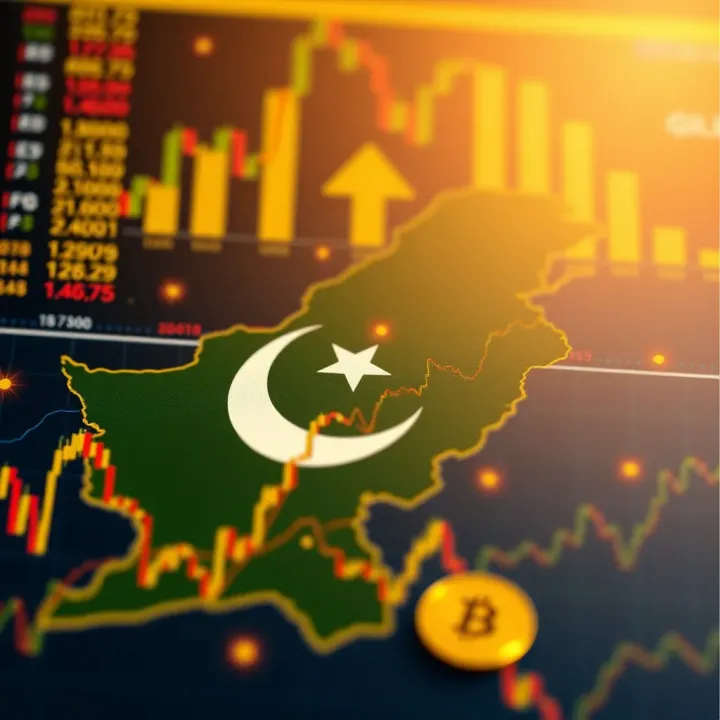
The policies of the Federal Reserve (Fed) and the State Bank of Pakistan (SBP) significantly affect gold prices. The Fed’s decisions on interest rates can cause major ripples globally. For example, when the Fed raises rates, it often strengthens the US dollar, making gold more expensive in other currencies and reducing demand. Conversely, if the Fed cuts rates, gold tends to become more attractive as borrowing costs fall.
On the local front, the SBP’s stance shapes Pakistan's currency health and inflation, which are closely tied to gold’s domestic price. If the SBP hikes interest rates to control inflation, it can temporarily reduce gold buying demand as banks offer better returns. However, in high inflation periods, investors may turn to gold to protect their wealth, even if interest rates rise slightly.
Gold’s appeal often increases when yields on conventional savings and bonds fall. When central banks lower interest rates, fixed-income returns diminish, pushing investors toward gold as a store of value. This effect was noticeable during the recent global economic slowdown, where low SBP policy rates helped sustain local gold demand despite currency pressures. On the flip side, rising interest rates might pull some investors away from gold in favour of safer, income-generating assets.
Trade tensions between major economies like the US and China directly influence global economic confidence. When these tensions escalate, uncertainty rises, prompting investors to seek safe-haven assets such as gold. Similarly, forecasts predicting slow economic growth or recession tend to push gold prices up, as people avoid riskier investments.
For Pakistani investors, following these trade developments is practical because they signal potential price surges or dips. For instance, during the US-China trade conflicts in recent years, gold prices jumped amid fears of global economic downturns. This had repercussions in Pakistan, where importers and traders adjusted their strategies accordingly.
Gold’s role as a safe-haven asset strengthens during turbulent times. Whenever financial markets face shocks—whether due to geopolitical tensions, trade disputes, or economic slowdowns—gold provides stability. This characteristic makes it a popular choice for Pakistani investors looking for security amid domestic currency volatility and political uncertainties.
For investors in Pakistan, recognising how international trade dynamics influence gold provides a clear edge in timing their trades and protecting assets.
By tracking global economic signals and central bank moves, Pakistani traders can better anticipate shifts in gold pricing, enabling smarter decisions in their portfolios.
Local dynamics shape gold prices in Pakistan more than many might expect. While global trends matter, fluctuations in the Pakistani rupee, governmental import policies, and cultural buying habits deeply influence how gold prices behave day-to-day. Investors and traders must keep these factors in mind for timely decisions.
The value of the Pakistani rupee against the US dollar is one of the strongest local forces impacting gold prices. Since gold in Pakistan is mostly imported and priced in dollars, a weakening rupee usually pushes domestic gold prices higher. For example, when the rupee slipped from Rs 160 to Rs 185 against the dollar last year, gold prices in Karachi witnessed a significant uptick. Inflation compounds this effect by eroding purchasing power, prompting more people to view gold as a safeguard against currency depreciation and rising prices. This demand pressure during inflationary periods often sustains or raises gold prices even when international rates are flat.
Pakistan’s import regulations and customs duties on gold significantly affect the local pricing landscape. The government occasionally adjusts import duties to manage the trade deficit or control inflation. An increase in customs duty on gold imports recently caused a noticeable spike in market prices, as traders passed higher costs to consumers. Additionally, bureaucratic delays at ports can disrupt supply, leading to temporary shortages and price surges. For investors, staying updated on such policy moves is critical to avoid buying during price spikes driven by artificial scarcity.
Pakistan’s cultural fabric deeply ties gold demand to weddings, Eid, and other religious or social festivals. During these times, gold buying jumps sharply as families purchase jewellery for gifts or investment. For instance, in the run-up to Eid-ul-Fitr or the wedding season in November-December, jewellers in Lahore, Karachi, and Islamabad often report sales doubling or tripling compared to regular months.
Seasonal surges aren’t just about tradition but also reflect consumer confidence and disposable income patterns. Traders who anticipate these cycles can time their purchases and sales more advantageously.
Such demand spikes put upward pressure on prices locally, sometimes independent of global gold trends. For investors, recognising these seasonal patterns is essential. Buying gold just before Eid or wedding seasons might mean paying a premium, while post-season periods could offer better prices. Understanding this rhythm helps optimise entry and exit points in the Pakistani gold market.
In summary, local rupee movements, import policies, and traditional demand cycles play a significant role in shaping gold prices in Pakistan today. Keeping tabs on these factors provides valuable foresight for anyone active in gold trading here.
Understanding the gold price forecast and adopting effective trading strategies hold significant weight for Pakistani investors. Gold remains a popular avenue for safeguarding wealth against currency depreciation, especially amid rupee volatility and inflation. Accurate short-term predictions guide traders on whether to hold, buy, or sell, helping them time the market with more confidence.
Today’s gold prices in Pakistan often respond quickly to shifts in international bullion rates and local currency movements. For instance, if the rupee weakens sharply against the US dollar, gold prices tend to rise as importing gold becomes costlier. On the flip side, if geopolitical tensions ease or global markets rally, demand might dip temporarily. Traders should watch the immediate effects of Federal Reserve announcements or major economic data from China and the US, as these often cause ripples in gold's spot price throughout the day. Local factors like changes in import duties or fresh government policies can also trigger short bursts of price changes. Observing these elements daily allows investors to anticipate small price swings and avoid hasty decisions.
Timing is critical when buying gold. Prices often show patterns tied to weekdays, festivals (like Eid or wedding seasons), and when SBP changes policy rates. Buying during dips typically yields better returns, but predicting the exact bottom is challenging. Many experienced traders track support and resistance levels on price charts, using these as clues for entry points. For example, purchasing gold on a slight price correction after a rally can be more favourable than chasing prices at their peak. Keeping an eye on rupee strength during the day also helps; if the rupee gains some ground versus the dollar, gold prices might soften.
Gold markets worldwide are susceptible to sudden swings driven by news, economic reports, or geopolitical events. Speculating without a solid strategy can quickly lead to losses, particularly for new traders. Volatility means prices could jump or fall sharply within hours, so over-leveraging or chasing fast profits often backfires. Pakistani investors should approach speculation cautiously, setting stop-loss orders and limiting exposure. It is wise to consider gold primarily as a hedge or part of a diversified portfolio, rather than a quick-profit gamble.
Spot gold trading involves buying and selling physical gold or immediate settlement contracts. This suits investors looking to own gold outright or trade on short-term price moves within Pakistan's local market. Futures contracts, on the other hand, allow investors to agree today on a price for gold to be delivered later. This can be useful for hedging against price rises or speculating with lower upfront capital. However, futures carry higher risk due to leverage and require understanding contract expiry, margins, and price settlements. For most Pakistani investors, spot trading remains simpler and safer, while futures might suit professional traders comfortable with volatility and margin calls.
Successful gold trading today depends on staying informed about both local and global factors, using well-timed entries, managing risks carefully, and choosing the trading method that matches your experience and goals.
By focusing on these practical aspects, investors can navigate Pakistan's gold market more wisely and improve chances of steady gains or effective risk mitigation.
Gold has always been a trusted investment choice in Pakistan, especially when economic uncertainty looms. For investors, adding gold to the portfolio is not just about chasing profits but also about balancing risks, particularly amidst rupee volatility and inflation spikes. Understanding how to leverage gold trading today can lead to better financial stability and potential growth.
Gold plays a vital role in diversifying an investment portfolio. Unlike equities or real estate, gold often moves independently of these traditional assets. This independence means when the stock market dips or inflation eats into the purchasing power of the rupee, gold can hold its value or even appreciate.
For example, during the currency depreciation in 2022, many Pakistani investors who held significant gold assets saw their wealth preserved better than those relying solely on shares or cash savings. Even a modest allocation of 10-15% in gold can reduce overall portfolio volatility. Plus, gold is a liquid asset that you can convert to cash relatively quickly through local dealers or banks.
Given the prevalence of counterfeit gold jewellery and coins in the market, verifying the reputation of dealers is essential. Investors should prioritise established jewellers or gold traders with solid local presence and customer reviews. The Pakistan Jewellers Association and official certifications help indicate legitimacy.
Physical verification and certificates of authenticity should accompany every purchase, whether coins or jewellery. Always ask for a proper challan or receipt detailing weight, purity (typically 22 or 24 carat), and price agreed upon. This documentation becomes crucial when you decide to resell or verify your gold.
Buying gold online is gaining traction through platforms that offer certified gold bars or coins. These platforms provide convenience and sometimes better rates but require vigilance to avoid scams. Make sure online sellers have transparent return policies and certifications recognised by Pakistani authorities.
On the other hand, purchasing gold physically from trusted neighbourhood jewellers or in bazaars gives you the chance to inspect the item personally. This reduces risk but may involve slightly higher premiums due to overhead costs.
Choosing between online and physical gold depends on your comfort level and the amount you plan to invest. Many Pakistani investors prefer a mix: buying small amounts physically for jewellery or gifts and larger pure investments digitally or through banks.
Gold trading today offers Pakistani investors a hedge against inflation and currency risks, but success depends on careful selection of trading platforms and understanding the role of gold in a balanced portfolio.
By keeping these points in mind, investors can confidently benefit from gold's unique position in Pakistan's financial landscape.
Explore top trading websites for Pakistani traders 📈. Compare features, fees, security 🔒, and support across stocks, forex, crypto, and commodities to trade confidently.
Find the best trading website in Pakistan! Explore platform types, security, fees, and user experience to suit your trading style and goals 📈🔒💰
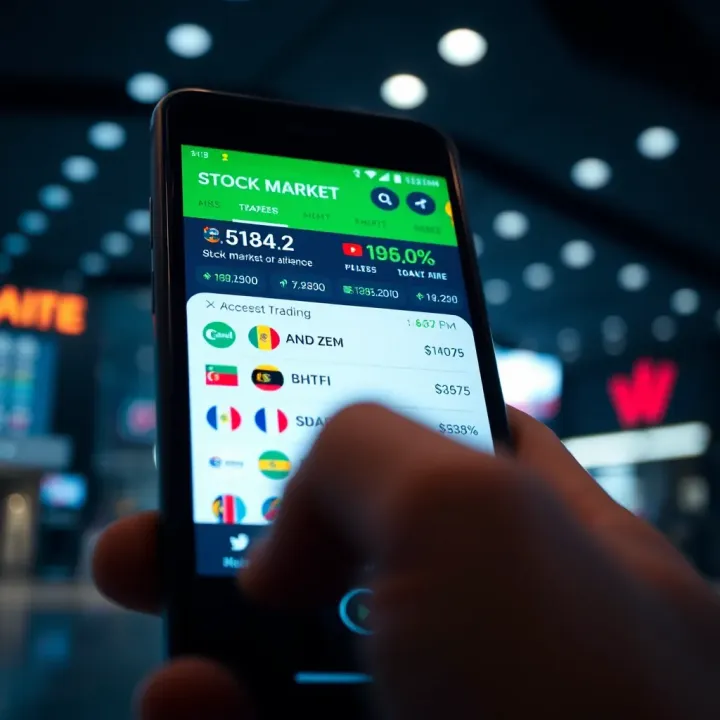
Explore top trading apps in Pakistan 📱 Compare features, security, and ease of use for stock & crypto trading to pick the best platform for your needs.
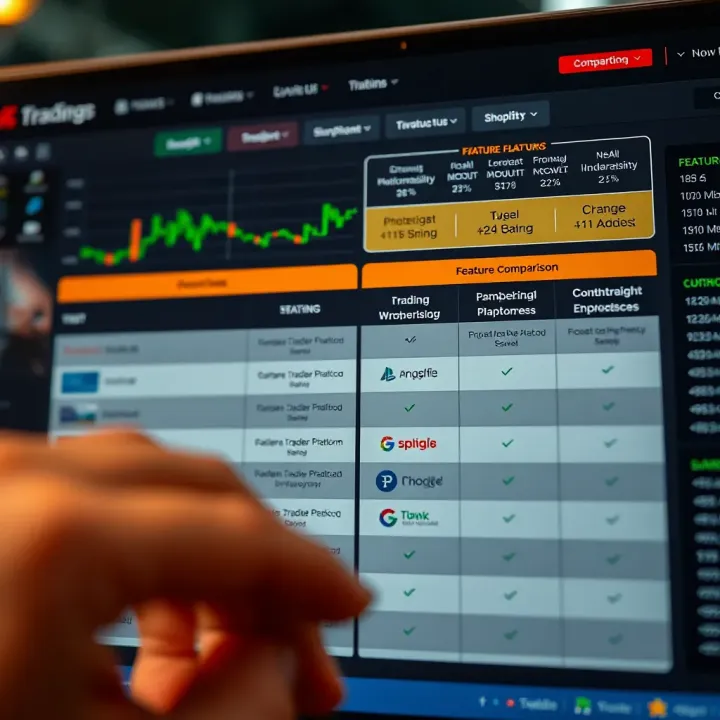
🔍 Explore top trading platforms in Pakistan! Compare features, fees, and tools to find the best fit for your trading style and boost your success. 📈
Based on 10 reviews