
Best Trading Apps in Pakistan: A Practical Guide
📱 Discover how to pick the best trading apps in Pakistan with tips on security, fees, features, and ease of use to trade smarter and safer today!
Edited By
Emily Thornton
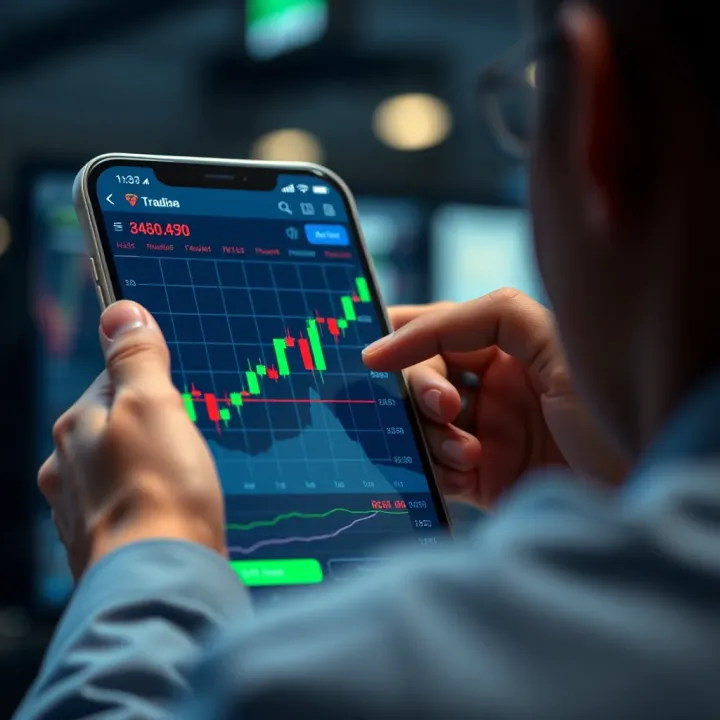
Trade apps have brought a major shift in how people in Pakistan deal with financial markets. Before, trading shares, commodities, or currencies meant visiting brokers, filling long papers, and sometimes waiting days for approval. But now, with a smartphone and the right app, anyone can start trading almost instantly.
These apps don’t just make trading convenient; they open doors for more Pakistanis to understand and participate in markets that were previously out of reach. Think of a farmer in Punjab keeping tabs on wheat prices or a Karachi-based entrepreneur checking the currency exchange rates on the go.
This guide aims to cut through the noise and give you practical insight into trade apps — how they work, their perks and pitfalls, and how to use them wisely. We will cover everything from selecting the right platform to understanding key features and risks involved.
Whether you're a seasoned trader, a curious investor just starting out, or someone teaching financial literacy, this article will give you straightforward, useful info you can rely on.
Why it matters: As more Pakistanis grab the chance to be part of the global financial scene, understanding trade apps becomes more than just a tech topic — it’s about making smarter, timely decisions with your money.
Understanding what trade apps are and how they operate forms the backbone of modern trading, especially for users in Pakistan where mobile technology is rapidly advancing. Trade apps let us bypass traditional brick-and-mortar brokers, opening the market right at our fingertips. This section covers the nuts and bolts of these applications, highlighting their key features and the way they link to financial markets.
A trade app is essentially software that enables buying and selling of financial instruments through mobile devices or computers. Unlike old-school methods where you’d call a broker or visit an office, these apps provide real-time market data and the ability to place orders instantly.
Some common features worth noting:
Real-time tracking: You get up-to-the-second updates on stock prices, indices, and commodity rates. This helps you act quickly, which is crucial when prices swing.
Order placement: You can execute trades — like buying shares or selling currencies — with just a few taps.
Portfolio management: Many apps let you monitor your investments and see overall performance in one place.
In the Pakistani context, apps like PSX’s proprietary app or local platforms such as SOLO or MTrade are designed to cater to one's specific needs with intuitive interfaces and Urdu options to ease the learning curve.
Trade apps handle various types of financial instruments, including:
Stocks: Shares of companies listed on exchanges like the Pakistan Stock Exchange (PSX).
Commodities: Such as gold, oil, and agricultural products.
Forex: Currency pairs that can be traded often with leverage.
Mutual funds and ETFs: Some apps offer direct investment options here as well.
Knowing these offerings helps traders pick platforms that fit their goals.
Trade apps don't work in isolation; they depend heavily on partnerships and tech frameworks to function properly.
Every trade app typically collaborates with registered brokerage firms. These brokers act as middlemen between users and stock exchanges. When you place an order via an app, it's the broker who actually executes it on the market.
In Pakistan, reputable brokerage firms like AKD Securities or Arif Habib Limited often provide their own apps or partner with third-party platforms, ensuring compliance with regulatory standards.
Trade apps connect directly to stock exchanges through Application Programming Interfaces (APIs). These are technical channels that allow real-time data and orders to flow securely and swiftly.
This integration means when you hit “buy” on your app, your order reaches the PSX or the relevant market right away, reducing chances of delays or errors.
Given that sensitive financial data and money are involved, strong security is a must. Apps use various layers of security such as:
Two-factor authentication (2FA), requiring a password and a one-time code.
Encryption protocols to protect data transmission.
Secure servers to store user data safely.
Remember, even the best apps can’t protect you from careless habits. It’s on you to avoid sharing passwords or falling for phishing scams.
To sum it up, trade apps blend technology with traditional brokerage services, making financial markets more accessible and manageable for Pakistani traders. Getting familiar with these basic concepts prepares you for smart, confident trading.
Trade apps have changed the game for many investors in Pakistan by making market access easier and more affordable. Understanding their benefits helps users see how these tools fit into their trading strategy and everyday life. Let’s explore the practical perks that make trade apps an attractive option for anyone wanting to dip their toes into the financial markets.
One of the standout advantages of trade apps is the ability to trade anytime from mobile devices. Imagine you’re at a chai stall in Lahore, and suddenly you hear about a major announcement affecting the stock market. Instead of rushing home or binding yourself to a desktop, you can pull out your smartphone and make decisions on the spot. This kind of flexibility lets traders react quickly to market changes without being tethered to an office setup.
Easy account setup and management further enhance this convenience. Apps like PSX’s official trading platforms or popular ones like InvestPro allow users to create and verify accounts swiftly, cutting through the usual red tape. Once your verification is done—which usually involves just submitting a CNIC and some banking details—you can fund your account and start trading within hours. Plus, these apps usually offer intuitive dashboards where you can monitor your portfolio, review past transactions, and update personal details all in one place.
Traditional brokerage often means higher commission fees eating into your profits. Trade apps in Pakistan, however, commonly offer reduced commission fees thanks to their digital nature. For example, apps like KTrade and Al Meezan allow traders to enjoy significantly lower charges per transaction compared to walk-in brokerage offices, making frequent trades more cost-effective.
On top of that, minimal paperwork and processes are a huge relief. Gone are the days of carrying stacks of forms or dealing with slow physical verification. Digital KYC (Know Your Customer) procedures streamline the entire onboarding, allowing busy professionals, students, or even housewives to get started without leaving home. This saves time, reduces errors, and speeds up access to the market.

Trade apps often come packed with built-in tutorials and analytics that are crucial for beginners and even seasoned traders trying to sharpen their skills. Instead of scrambling through different websites or textbooks, you get educational videos, interactive guides, and data-driven insights all in one place. For instance, apps like MTS Gold’s platform provide easy-to-understand graphs and trading tips, helping users make more informed decisions.
Access to market news and insights directly through apps keeps users up to date without needing to follow multiple sources. Many apps pull the latest updates from Pakistan Stock Exchange and global markets, alerting users about critical developments or trends. This real-time news feed helps traders avoid surprises and seize opportunities swiftly.
In short, Pakistani users stand to gain from trade apps by trading flexibly, saving on costs, and continuously improving through educational resources. Whether a newbie or an experienced investor, these benefits can tip the scales toward smarter, more convenient market participation.
Using trade apps offers easy access to financial markets, but this convenience comes with a set of risks and challenges Pakistani users should be aware of. From market ups and downs to digital security threats, these risks can impact your trading outcomes and overall experience. Knowing about these hurdles helps you navigate the tricky waters of online trading more safely and confidently.
Understanding price fluctuations: Markets can swing wildly, sometimes within minutes. For example, political news or changes in commodity prices—like a sudden drop in oil prices—can cause stock values to jump or plunge unexpectedly. When you trade using apps, these rapid shifts mean you could gain or lose money quickly. It’s not just about luck; the prices reflect real-time supply and demand dynamics, news events, and trader sentiment, making the market somewhat unpredictable.
Importance of risk management: Because the market is unpredictable, managing your risk becomes vital. This means deciding in advance how much money you're willing to lose on a trade and using tools like stop-loss orders that automatically sell your asset when it drops to a certain price. For instance, if you buy shares of Pakistan Petroleum Limited (PPL), using a stop-loss can prevent a bad news event from wiping out your whole investment. Successful traders often recommend never putting all your eggs in one basket and diversifying investments to reduce exposure.
Data protection measures: Trade apps collect sensitive information like your identification and bank details. Therefore, look for apps that use encryption protocols such as SSL/TLS to protect your data during transmission. Some apps add biometric login options, like fingerprint scanning, enhancing security. Without such safeguards, your personal data might be vulnerable to breaches.
Common scams and how to avoid them: Scams targeting traders are becoming common. Fake apps mimicking popular trading platforms can steal login details, and phishing messages try to trick you into revealing passwords. Always download apps from official sources, double-check the app’s developer name, and never share your account information. If you receive an unsolicited call or message claiming to be from your broker, verify independently before taking any action.
Always treat your trading app credentials like cash—once someone else gets hold of them, the damage is hard to undo.
App downtime and its consequences: Technical glitches or server outages can happen at the worst times—like right when the market is buzzing. A sudden app freeze might prevent you from selling a falling stock or buying at a good price. This could lead to missed opportunities or unexpected losses. For traders relying on quick decisions, choosing a platform with a track record of reliable uptime is essential.
Customer support quality: When things go wrong, prompt and helpful customer service can save the day. Poorly managed support teams can leave you stuck during critical moments. Look for platforms that offer quick response options, whether via live chat, phone, or email, preferably available during market hours. Before committing, check user reviews to gauge how responsive and effective the support service really is.
Understanding these risks won’t scare you off but prepare you to trade smarter. By recognizing where pitfalls lie, from unpredictable markets to tech hiccups and security threats, you can take steps that keep your investments safer and your experience smoother.
Choosing the right trade app is a big deal, especially in a market as dynamic as Pakistan's. The right app can make trading feel like a walk in the park, while the wrong one could lead to missed opportunities or unnecessary losses. This section focuses on practical tips to match your trading preferences and needs with the features and reputation of various trade apps in the local context.
When picking a trade app, first figure out your trading goals and style. Are you a long-haul investor looking to grow wealth steadily over years? Or a short-term trader aiming to capitalize on quick market moves?
Long-term investing vs short-term trading: Long-term investors typically want apps that offer detailed analytics, portfolio tracking, and educational resources. They rarely need instant order executions but value stability and trustworthy data. On the flip side, short-term traders focus on real-time price updates, quick order placements, and minimal latency. For example, a daytrader might prefer apps like Zerodha or Interactive Brokers, known for speedy executions, whereas a buy-and-hold investor in Pakistan might lean toward apps offering easy dividend tracking and detailed company analysis.
Specific asset focus (stocks, commodities, forex): Consider what markets you want to trade. If commodities like oil or gold interest you, apps offering access to Pakistan Mercantile Exchange (PMEX) or international commodity markets are vital. Forex traders need apps with tight spreads and fast execution, such as MetaTrader platforms linked with local brokers. Those focused on stocks and ETFs should check if the app connects seamlessly to Pakistan Stock Exchange (PSX) and supports Pakistani and international equities. Matching your asset choice with app accessibility can save you headaches later.
Once you understand your goals, look at the app features closely.
User interface and ease of use: Nobody wants to fumble through complicated menus, especially when timing is everything. A clean, intuitive interface can speed up your trades and reduce mistakes. Apps like HBL Konnect or MCB Trade offer user-friendly layouts tailored for Pakistani users, making complex transactions simple.
Range of available markets: It’s not just about stocks anymore. Quality trade apps should support multiple assets—local shares, international stocks, commodities, forex, and even cryptocurrencies if you're adventurous. For example, apps like eToro provide access to a variety of global assets, while local apps might focus exclusively on PSX-listed stocks or commodities.
Fees and commission structure: This one can quietly chip away at your profits. Some apps charge flat fees, others a percentage per trade. Look out for hidden charges like withdrawal fees or inactivity penalties. For instance, PSX’s app and some local brokers might offer zero commission trades for certain volumes, benefitting smaller traders. Always read the fine print to avoid surprises.
An app might have slick features, but if it’s not regulated or trusted, you’re playing with fire.
License and registration in Pakistan: Make sure to check if the app or its broker partner is licensed by the Securities and Exchange Commission of Pakistan (SECP). This guarantees that your investments comply with local laws and protections. SECP’s website lists registered entities which is a handy reference.
User reviews and expert ratings: Don’t just take the company’s word for it. Dive into user feedback on app stores or trusted financial blogs. Look for patterns—do users complain about frequent crashes, poor customer support, or unclear charges? Expert reviews often test platforms for security and usability, which can guide you in making an informed call.
Choosing the right trade app is about balancing your personal trading style, desired markets, and the app’s features and credibility. Taking these steps seriously can save you from costly mistakes and help boost your trading confidence.
Making the right choice means you’re already halfway to trading smarter in Pakistan’s evolving financial scene.
Stepping into the world of trading through mobile apps can seem a bit daunting at first, especially in Pakistan where the landscape is still maturing and evolving. But getting started with a trade app is essential to take full advantage of the market's opportunities with convenience and ease. It means having the ability to buy and sell stocks, commodities, or currencies directly from your phone — no need to visit a broker's office or wade through piles of paperwork.
A solid first step makes all the difference. It's not just about downloading an app but understanding the proper setup, funding your account, and making your first trades confidently and safely. Following this foundation ensures you avoid common pitfalls, like delays in verification or funding issues, and sets the stage for better portfolio management later on.
To start trading in Pakistan, setting up your account comes with a few mandatory steps. Most trade apps require Know Your Customer (KYC) verification, a process to confirm your identity and comply with local financial regulations.
Necessary documents and KYC requirements: Typically, you’ll need:
CNIC (Computerized National Identity Card)
Recent utility bill or bank statement for address verification
Bank account details linked to your trading account
The purpose here is twofold: to prevent fraud and to ensure that you’re investing legally. Many popular platforms like JS Global or MCB-Arif Habib Savings have straightforward KYC processes integrated into their apps. They allow quick uploading of documents digitally — no printing or mailing necessary.
Funding your account: Once your account gets approved, the next step is adding funds. Pakistani users can often transfer money via bank transfers, Easypaisa, JazzCash, or direct debit from their linked bank account. It's important to verify if the app supports your preferred payment method to avoid hassle later.
Remember, funding your account securely is key to keeping your investments safe; always use official payment gateways and avoid third-party links or methods.
With the account set up and funded, you are ready to place your first trade — but this isn’t as simple as hitting a “buy” button. There are some basics you should grasp.
Selecting assets to trade: Depending on the app, you may have access to stocks listed on the Pakistan Stock Exchange (PSX), commodities like gold or oil, or even foreign currency pairs for forex trading.
For example, if you're interested in blue-chip companies like Pakistan State Oil or Engro Fertilizers, make sure the app provides those listings. It’s wise to start with assets familiar to you or backed by solid research.
Understanding order types: Different orders exist to give you control over how trades execute:
Market Order: Buys or sells immediately at the current market price. Fast but no price guarantee.
Limit Order: Sets a specific price limit. The trade only happens if the market hits that price.
Stop Order: Triggers a market order once a certain price level is reached, useful for minimizing losses.
Knowing these options helps you avoid surprises — like buying at a higher price than expected during volatile market phases.
Quick tip: Start with small amounts to get a feel for how trades settle and how prices move on your chosen platform.
After your initial trade, the work doesn’t stop. Keeping an eye on your investments is where trade apps really shine.
Using app tools for tracking performance: Most apps include analytics tools that graph your portfolio’s growth, show current asset prices, and highlight gains or losses. Some, like the UTrade app by UBL, even offer customizable alerts to notify you of price movements or news affecting your assets.
Regularly viewing these reports helps spot trends early, whether your stock is climbing toward a target price or slipping below a support level.
Adjusting investments as needed: The financial market changes quickly, and so should your approach. Does a particular stock start showing red flags? Have you reached your target profit? Apps let you buy more, sell off, or shift funds to different assets with few taps.
A common mistake is sticking too tightly to original choices, but smart trading means sometimes cutting losses or rebalancing your portfolio to maintain diversity and risk balance.
Preparing yourself with these basic skills and knowledge will make stepping into Pakistan’s trade apps world less confusing and more rewarding. The key lies in taking gradual steps, starting small, and growing with experience and education.
Trading through apps in Pakistan is getting super popular, but it comes with its own set of challenges. Knowing how to keep your account safe and avoid common mistakes can save you from unnecessary losses. This section covers practical tips to trade wisely and securely.
Your trade app account is like a digital wallet; keeping it protected should be your first priority. Use strong passwords—mix of uppercase, lowercase, numbers, and symbols—and avoid obvious choices like your birthdate or “password123.” On top of that, enable two-factor authentication (2FA) where possible. It usually sends a one-time code to your phone or email to confirm it’s really you logging in. This extra step drastically reduces chances of hackers breaking in.
Phishing schemes can be tricky. For instance, you might get a message pretending to be from your broker asking for login info or a link to "verify" your account. Never click on suspicious links or provide personal details to sources you're not 100% sure about. Always verify official communications directly through the app or official website. A good rule of thumb: if it sounds too urgent or too good to be true, it probably is.
The lure of quick wins is strong, especially when markets move fast. But chasing quick profits can lead to rash decisions and big losses. Instead, set realistic goals and stick to a strategy. For example, rather than betting your whole sum on a volatile stock hoping for overnight gains, try steady investments over weeks or months.
Putting all your eggs in one basket rarely ends well. Diversifying means spreading your money across different assets—like stocks, commodities, or forex—so if one tank, you’ve got others holding steady. For example, don’t just focus on tech stocks, also consider joining commodities like gold or investing in Pakistani energy sector shares.
Markets don't operate in isolation. Pakistani traders benefit from keeping an eye on local news like Pakistan Stock Exchange updates and global trends such as oil prices or currency fluctuations. Resources like Bloomberg, Reuters, and Dawn’s business section can offer up-to-date insights.
Trade apps frequently push updates for performance, security fixes, and new tools. Skipping these can leave you vulnerable to bugs or missing out on features like advanced charting tools or alerts that make smarter trading easier. Set your phone to update apps automatically or check regularly.
Staying safe and smart while trading isn’t just about luck — it’s about smart habits and staying informed. Taking these steps seriously will help Pakistani traders protect their investments and navigate markets better.
📱 Discover how to pick the best trading apps in Pakistan with tips on security, fees, features, and ease of use to trade smarter and safer today!
Explore top trading apps in Pakistan 📱, understand their features, risks, regulations, and get practical tips for safe, confident trading in local markets.

Discover the top trading apps for Pakistani traders with tips on usability, market access, fees, security, and customer support 📱📈💡

📱Explore top trading apps in Pakistan! Learn features, benefits, and risks, plus tips on choosing the best platform to match your investing goals.
Based on 7 reviews