
How to Trade Cryptocurrency in Pakistan: A Simple Guide
📈 Discover how to trade cryptocurrency in Pakistan safely! Learn key strategies, basics, and navigate local regulations with confidence in this practical guide.
Edited By
Sophie Mitchell
HODL is a term that every crypto investor has likely come across, but its meaning goes beyond just a typo turned meme. It stands for "Hold On for Dear Life," representing a strategy where investors keep their cryptocurrencies despite price swings. This approach became popular early in Bitcoin’s history and has since shaped how many view crypto investments.
Unlike day trading or frequent selling, HODLing involves resisting the urge to sell even in times of market volatility. For example, if Bitcoin crashes from Rs 10 lakh to Rs 7 lakh, a HODLer holds onto their coins, believing in long-term gains instead of panic selling. This mindset fits well with Pakistan’s emerging crypto community, where sudden market changes can be unsettling.
The term originally came from a misspelled post on a Bitcoin forum in 2013, but it quickly caught on as a mantra among investors. It embodies patience and belief in the technology behind cryptocurrencies, rather than chasing quick profits.
HODL reflects an investment philosophy grounded in confidence over fear, emphasising endurance through market ups and downs.
Stability in volatile markets: Cryptocurrency prices can swing wildly, so HODL provides mental and financial steadiness.
Potential for higher returns: Holding assets long-term can benefit from broader market growth, as seen with Bitcoin’s decade-long rise.
Reduced trading costs: Frequent buying and selling attract fees and taxes, which HODL avoids.
However, HODLing is not without risks. Investors might hold onto assets during prolonged drops, delaying opportunities to cut losses or reallocate funds. This is why understanding market trends alongside HODLing helps balance the approach.
In places like Pakistan, where regulatory uncertainties and exchange issues sometimes arise, HODL offers a way to ride out turbulence without panic moves. It encourages a disciplined stance rather than chasing every market movement.
Overall, HODL has become a defining strategy in the crypto world. It’s about confidence, patience, and a belief that digital assets will prove valuable over time, making it an essential concept for traders, analysts, and investors to grasp.
Understanding the origin and definition of HODL is essential for grasping how this term became a cornerstone of cryptocurrency culture. It informs investors' behaviour, shaping strategies that prioritize holding assets long-term rather than reacting to short-term market moves. This section breaks down where HODL came from and what it literally means, helping traders and analysts appreciate its practical value.
The term 'HODL' first appeared in a 2013 Bitcoin forum post where a user, in frustration during a sharp market drop, typed "I am hodling" instead of "holding." This was not a deliberate invention but rather a typo that quickly caught on. The original post detailed the user's insistence on keeping Bitcoin despite price volatility, which resonated with many in the crypto community. This informal expression gained traction as a rallying cry for patience amid cryptocurrency's notorious swings.
This background story highlights how grassroots online communities significantly influence crypto culture. Understanding that HODL emerged from real investor sentiment rather than corporate branding underscores its authenticity. For traders, it reminds one that sometimes the strongest concepts start in informal, everyday language.
Many newcomers assume that HODL is simply a misspelling of "hold," which it originally was. However, the term evolved beyond the typo and took on a life of its own. It now symbolizes a specific investment approach — steadfastly holding cryptocurrency instead of panic selling during price drops. So, while the word began as a mistake, its meaning deepened into a deliberate strategy.
This shift from error to concept reminds investors not to dismiss memes or slang too quickly. Often, these terms capture complex attitudes or tactics in an accessible way. For Pakistani investors facing local market uncertainties, embracing terms like HODL can provide a community mindset, supporting measured, long-term decisions rather than impulsive trades.
In the realm of cryptocurrency, HODL literally means to hold on to assets rather than sell them. This stems from the idea that cryptocurrencies are volatile and prices can fluctuate wildly. By choosing to HODL, investors show confidence in the asset’s eventual appreciation over time, ignoring short-term dips. This is particularly useful for those who believe in blockchain technology as the future of finance.
Practically, learning about HODL helps investors decide when to stay put. For example, if someone bought Bitcoin at Rs 1 million and saw the price fall to Rs 700,000, a HODLer would resist selling, expecting recovery and growth later. This long-term mindset contrasts with day traders who react to every market movement.
HODL frequently comes up in conversations about investment strategies and market psychology. It’s often used to encourage patience and emotional discipline among traders, especially during bearish trends. References to HODL in social media groups or trading forums serve as reminders not to panic.
Moreover, HODL isn’t just jargon; it reflects a philosophy that has influenced major market trends. During Bitcoin’s bull runs, the collective decision by many to HODL can limit sell pressure, which supports price stability and growth. For Pakistani investors, where market infrastructure or regulations might limit trading options, HODL offers a straightforward strategy focused on endurance rather than timing the market.
HODL isn’t just a word — it's a mindset for those who believe in the long game, especially where market swings tempt quick moves.
Investors choose to HODL because they see long-term potential in cryptocurrencies despite short-term ups and downs. This strategy reflects trust in the asset's future value rather than immediate profits. The approach helps avoid emotional decisions driven by volatile price swings.
Many investors consider cryptocurrencies like Bitcoin or Ethereum as assets that will grow over years, if not decades. They believe the underlying blockchain technology and increasing adoption will push prices higher over time. For instance, holding Bitcoin since 2015 would have turned a small investment into a substantial amount by 2024.
This long-term view isn’t just hope but is supported by trends such as institutional interest and wider use in Pakistan’s fintech sector, including platforms akin to JazzCash and Easypaisa adopting crypto payments over time. Such developments encourage investors to hold rather than sell quickly.
Expectations of future price growth further reinforce HODLing. Many investors anticipate that mass adoption will occur later, driving up demand and prices. For example, an investor who bought Ethereum just before its transition to a proof-of-stake model can expect gains as the network becomes more efficient and eco-friendly.
These expectations often outweigh short-term market noise. In Pakistan, where rupee fluctuations make local investment volatile, crypto offers an alternative store of value for some investors. They see HODLing as a way to preserve or grow wealth amid currency instability.
Crypto markets can swing drastically within hours or days. HODLing protects investors from panic selling during these wild price moves. By staying put, investors avoid losses that come from emotional reactions to sudden dips, which are common in cryptocurrencies.
For example, in early 2022, Bitcoin dropped over 30% in a single month. Many who stayed invested avoided locking in losses and eventually benefited when prices recovered. This patience is key to the HODL mindset.
Compared to active trading strategies like day trading or swing trading, HODLing requires less time and knowledge. Active traders constantly watch markets to catch short-term gains but face risks like missing timing or paying higher transaction fees.
HODLing reduces such complexities. It suits investors in Pakistan who may not have the time or access to real-time data needed for active trading. Instead, they rely on holding their positions through volatility, trusting long-term growth trends to pay off.
Staying calm and patient, rather than reacting to price swings, has helped many investors keep and grow their cryptocurrencies over time.
Belief in long-term growth underpins the decision to HODL
Protects from emotional decisions caused by market swings
Offers a practical alternative for investors less equipped for active trading
The choice to HODL aligns with a confidence that the technology and market maturity will eventually reward patience.
The psychology behind HODLing plays a significant role in the success or failure of cryptocurrency investments. This mindset relies heavily on emotional discipline and a firm commitment to the investment strategy, especially when markets are volatile. Understanding these psychological elements helps investors avoid impulsive decisions that often result in losses.
Resisting panic selling is one of the toughest challenges for any investor, especially in a market as erratic as cryptocurrency. When prices suddenly drop, the impulse to sell quickly to minimise losses is strong. However, HODLing requires investors to control these emotions and hold their assets despite short-term dips. For example, during Bitcoin's crash in 2018, many new investors sold out of fear, only to miss the rebound that followed in the next couple of years. This emotional discipline not only helps protect from locking in losses but also gives the investment time to mature.
Staying committed despite market drops means maintaining confidence in the long-term potential of the cryptocurrency even when the price takes a hit. This requires a clear understanding of your investment goals before entering the market. For instance, an investor who bought Ethereum in early 2020 might have seen its price fall sharply during sudden market corrections. But their commitment paid off as Ethereum surged in value by late 2021. This steadiness prevents impulsive exits that could disrupt your overall strategy and potentially lead to missed gains.
Possibility of missing out on profits is a real risk when sticking too rigidly to the HODL philosophy. Sometimes, the market presents profitable chances for selling or adjusting holdings, especially during significant rallies. For example, if you held only Bitcoin throughout 2021 and ignored booming altcoins like Solana or Cardano, you might have missed out on better returns. Effective investors balance patience with opportunism, knowing when to take profits or rebalance portfolios.
Ignoring changing market fundamentals can be dangerous in the crypto space, where technology and regulatory environments evolve quickly. Blindly holding tokens without monitoring news, project developments, or regulatory shifts risks investing in assets that could lose value substantially. Consider a Pakistani investor who continued holding a token despite a local ban on certain crypto activities; this could lead to difficulties in converting or using those assets. Staying informed ensures that your HODL strategy adapts to the changing reality rather than sticking to outdated assumptions.
Maintaining emotional discipline is essential, but so is flexibility. A balanced approach protects you from panic-induced losses while helping you make informed decisions when market conditions shift.
In summary, the psychology behind HODLing demands strong emotional control and dedication, yet it requires readiness to reassess your position as market fundamentals change. Pakistani crypto investors who understand this balance are better placed to navigate the unpredictable crypto market with confidence and resilience.
Comparing HODL with other trading strategies helps investors understand their options before entering the often volatile cryptocurrency market. Unlike HODL, which emphasises holding assets despite short-term fluctuations, other strategies like day trading and swing trading focus on frequent market movements to capitalise on quick profits. Knowing these differences can guide investors in selecting an approach that suits their risk appetite and investment goals.
Day trading involves buying and selling cryptocurrencies within a single day to benefit from minor price changes. Traders closely monitor market data and news to make rapid decisions. For example, a trader might buy Bitcoin in the morning when the price dips and sell it in the afternoon after a small gain. This approach requires constant attention and can be mentally taxing but offers a chance to earn profits regularly.
Swing trading, on the other hand, extends the holding period to several days or weeks. Swing traders look for trends or patterns, aiming to catch bigger price movements than day traders. They might buy Ethereum expecting a price rise over a fortnight and sell when their target is reached. Both these strategies demand understanding market signals and quick decision-making, unlike the more passive HODL style.
Day and swing traders prioritise short-term price changes and often rely on technical analysis tools and charts. Their goal is to exploit market volatility to generate returns, which works well in a highly active market. For instance, during periods of high trading volumes on Pakistani exchanges like Binance Pakistan or local peer-to-peer platforms, such traders can find multiple chances to trade profitably.
However, this intense focus can also backfire if the market turns suddenly or if the trader misreads signals, leading to losses. On the other hand, HODL users accept short-term ups and downs, banking on cryptocurrency’s potential to increase over years rather than days.
Diversification is a way to reduce risk by spreading investments across multiple cryptocurrencies instead of placing all funds in one. For example, a Pakistani investor might hold Bitcoin, Ethereum, and some altcoins like Polkadot or Solana. This way, if one asset performs poorly, others might balance out losses.
In contrast, HODLing a single asset — say, just Bitcoin — concentrates risk but may deliver higher returns if that asset skyrockets. This approach works if investors have high conviction but leaves them vulnerable if the chosen cryptocurrency falters.
A diversified portfolio can smooth out the volatility typical in crypto markets. By holding a mix of stablecoins like USDT and growth coins, investors in Karachi or Lahore can protect themselves from deep dips in any one asset. This lowers emotional stress, helps maintain a steady portfolio value, and allows room to adjust allocations based on market trends.
Besides risk reduction, diversification also opens doors to different opportunities. Some coins may gain from partnerships, technological upgrades, or regulatory acceptance, which others do not. Hence, spreading investments aligns with balanced growth, especially for those hesitant to rely solely on HODL.
Choosing between HODL and active trading depends largely on your time, risk tolerance, and market understanding. While HODL asks for patience, other strategies require ongoing engagement and quick decisions.
Understanding these differences equips crypto investors in Pakistan to make smarter, more tailored choices for their portfolios.
The concept of HODL has gained strong traction among Pakistani cryptocurrency investors, influencing how many approach digital assets. Pakistani traders often favour holding their investments long-term instead of frequent trading due to the volatile nature of crypto markets and local challenges such as regulatory uncertainties. This inclination affects market dynamics by encouraging a more patient investment mindset.
Social media platforms like Twitter, Telegram, and Facebook groups are major hubs where HODLing culture thrives in Pakistan. Influencers, crypto educators, and experienced traders share stories of holding through price dips and highlight potential future gains, encouraging newcomers to avoid panic selling. For instance, during bitcoin’s price corrections, local community chats buzz with messages urging investors to HODL and not sell under pressure.
Besides individual investors, various crypto-related channels post analysis and motivational content that promotes long-term holding as a sound strategy amid market fluctuations. This digital buzz has played a practical role in shaping perceptions and boosting the acceptance of HODL within the Pakistani investor base.
In Pakistan’s major cities like Karachi, Lahore, and Islamabad, informal meetups and crypto clubs have emerged where enthusiasts and professionals discuss strategies centred on holding rather than active trading. These gatherings provide spaces to exchange insights, share success stories, and promote the benefits of patience in crypto investment.
Moreover, some local fintech startups and crypto startups advocate HODL through educational campaigns. They emphasise stability over speculation, which fits many Pakistani investors' preference for cautious growth instead of rapid gains. The community’s growing trust in HODL also connects to broader trends, such as the country’s rising interest in blockchain and digital finance.
Pakistan’s crypto regulations remain unclear and often restrictive, impacting investors who wish to HODL. The lack of clear legal frameworks creates uncertainty about the long-term safety and legitimacy of digital assets held over time. For example, intermittent bans on crypto advertising and exchanges have shaken investor confidence, making some reluctant to commit fully to HODL strategies.
This uncertain regulatory climate also affects institutional confidence, limiting infrastructural support for crypto investment. Investors might face complications with taxes or compliance if rules suddenly change, which could hinder the appeal of holding assets long-term as compared to quicker turnover.
Limited access to reliable local exchanges and digital wallets poses practical challenges for Pakistani HODLers. Many investors rely on international platforms, which complicates transactions due to currency conversion fees, withdrawal delays, and verification hurdles linked to national regulations.
Additionally, fears of cyber security breaches and scams in the absence of strong local protections discourage some from holding large crypto amounts. Without trusted local wallets or regulated custodians, storing digital assets safely over the long term remains a significant concern, affecting the willingness to adopt HODL fully.
Despite these challenges, HODL continues to shape Pakistan’s crypto community by promoting patience and long-term thinking, key traits for navigating a still-developing market landscape.
📈 Discover how to trade cryptocurrency in Pakistan safely! Learn key strategies, basics, and navigate local regulations with confidence in this practical guide.
Learn how to trade cryptocurrency confidently in Pakistan 🇵🇰 with tips on platforms, strategies, risk control, legal rules, and security best practices.
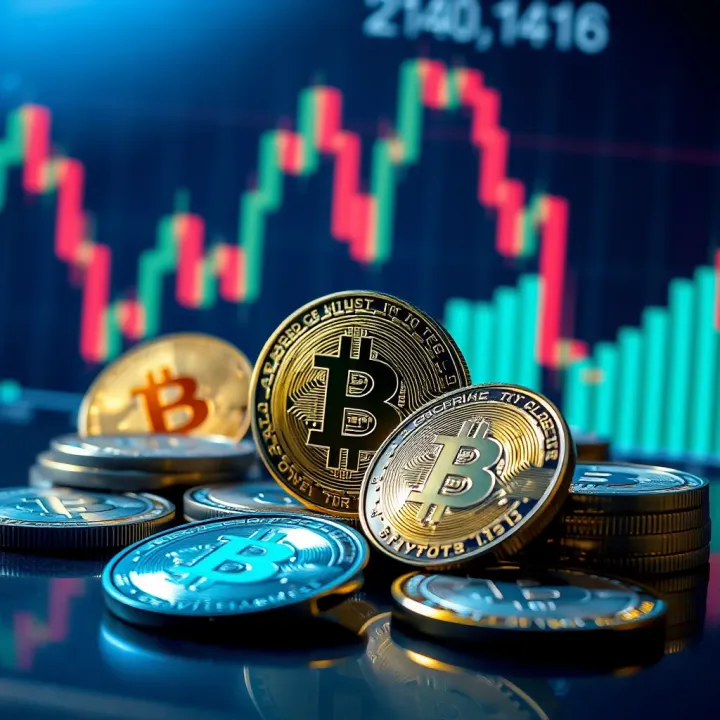
Learn practical tips for cryptocurrency trading in Pakistan 🇵🇰 from basics to strategies, security, risk management, and legal insights to start confidently! 🚀
Explore the phrase '?????? ???? ???' 🔍 in Pakistani culture, its meaning, uses, and social impact, plus related expressions used in daily conversations 🇵🇰.
Based on 14 reviews