
Understanding Trading: A Guide for Pakistani Investors
📈 Explore essential trading concepts, strategies, and risks with this practical guide tailored for Pakistani investors seeking success in local & global markets.
Edited By
Thomas Ellis
Paper trading acts like a rehearsal stage for investors before they step into the live market. Instead of using real money, you simulate buying and selling stocks on platforms or apps that mirror the Pakistan Stock Exchange (PSX) environment. This way, you get to practise strategies, test reactions to market movements, and familiarise yourself with trading mechanics without risking your hard-earned cash.
In Pakistan, where many new investors feel cautious about starting with real capital due to market uncertainties and volatility, paper trading builds valuable experience. It helps avoid costly beginner mistakes and creates a solid foundation for confident decision-making.
Paper trading offers a risk-free environment to sharpen your skills before committing actual money to the stock market.
Practice without pressure: You can learn how orders work—market, limit, stop-loss—without the stress of losing money.
Test trading strategies: Whether it’s day trading, swing trading, or long-term investing, you can see how your ideas perform under different conditions.
Understand market dynamics: Watching how index movements, news, and corporate announcements affect stock prices becomes clearer when you can act on those changes immediately.
Most local online brokerage platforms or third-party apps provide Pakistan-focused paper trading accounts. These tools use real-time or slightly delayed data from PSX, allowing you to match your trades against actual market activity. For example, if you practise with 1 million PKR virtual balance, you can allocate portions to stocks like Lucky Cement or Engro Corporation and watch your portfolio evolve as per market changes.
Set realistic goals for your practice sessions.
Treat the experience seriously by logging your trades and reviewing outcomes.
Use paper trading to build discipline with stop-loss and profit target orders.
Try different stocks and sectors to diversify your understanding.
Paper trading is not just for beginners. Even seasoned investors use it to try new strategies or adjust to changing market conditions without financial risk. For Pakistani investors, this method is a wise step to enter PSX with confidence and avoid the common pitfalls of unprepared trading.
Paper trading is essentially a practice method for investors to buy and sell securities using virtual money instead of real capital. This approach lets aspiring traders experiment with market movements and trading strategies without risking their savings. It acts like a sandbox where you can learn the ropes of stock trading, understand market volatility, and sharpen your skills before entering Pakistan Stock Exchange (PSX) with actual money.
The idea behind paper trading is straightforward: simulate real-life trading without the financial risks. Imagine trying your hand at stock buying and selling on paper or via a digital account that records transactions but involves no real cash. This way, beginners can familiarise themselves with order types, chart patterns, and portfolio management in a safe space. For example, a new investor might test how buying a few shares of Lucky Cement during a dip and selling during an uptrend would have played out — all risk-free.
Difference between paper trading and real trading lies mainly in the emotional and practical implications. While paper trading duplicates the market environment, it misses the psychological pressure of losing actual money. In real trading, emotions like fear and greed often impact decisions, leading to impulsive actions. Paper trading removes this stress, perhaps making it easier to stick to strategies. However, it does not fully prepare investors for the psychological challenges they will face when real funds are involved.
Platforms offering paper trading in Pakistan include some brokerage firms and financial websites that support virtual trading. For instance, certain PSX-licensed brokers have demo accounts that replicate the local market. Popular apps and online simulators allow Pakistani users to execute mock trades using live market data, which increases realism. These platforms are essential because they provide the tools and data needed to practise, especially for those new to market trading.
How to simulate trades effectively requires treating your virtual portfolio with real seriousness. Set capital limits similar to what you can afford in reality, use realistic trading hours, and track your trades meticulously. Keeping a trading journal where you note reasons for each trade, outcomes, and lessons learned helps bridge the gap between paper and live trading. Also, try to include transaction costs and slippage in your calculations to mirror Pakistani market conditions more closely.
Paper trading offers a risk-free opportunity to understand market mechanics, develop discipline, and test strategies — it should be a key step for any Pakistani investor before committing real capital.
By appreciating these aspects, you can get the most out of paper trading and prepare yourself well for the ups and downs of actual investing in Pakistan's financial market.
Paper trading offers new investors a valuable chance to learn the ropes without risking hard-earned money. This method provides a risk-free learning environment, making it easier to understand market behaviour before jumping into live trading.
Practising without financial loss is the biggest advantage of paper trading. Beginners can try buying and selling shares in real market conditions but with virtual money. For instance, imagine a fresh investor in Karachi who wants to test how fluctuations on the Pakistan Stock Exchange (PSX) affect stock values. Paper trading allows them to make trades based on real-time prices without worrying about losing Rs 10,000 or more. This safe space reduces the anxiety and financial pressure associated with live trading.
Building confidence in trading decisions goes hand in hand with risk-free practise. New traders often hesitate investing real money due to fear of making costly mistakes. However, by repeatedly practising on a paper trading platform, they gain practical insights into market timing, order types, and risk management strategies. Over time, this experience boosts confidence and sharpens their decision-making. For example, a student trying to understand the impact of Pakistan’s monetary policy announcements on banking stocks can watch and learn how these news impact prices in their simulated portfolio before committing real money.
Evaluating different approaches is easier when no real funds are involved. Paper trading lets investors explore various trading styles—whether day trading, swing trading, or long-term investing—without feeling the sting of losses. This flexibility is important as it helps discover which methods suit one’s personality and financial goals. Take a new investor testing momentum trading with PSX-listed oil companies; they can observe multiple trade outcomes before deciding if that strategy holds promise.
Adjusting tactics based on simulated results creates opportunities for thoughtful improvement. When traders see their plans fail or succeed in paper trading, they can tweak entry and exit points, stop-loss levels, or position sizes accordingly. This ongoing refinement builds resilience and adaptability crucial for live markets. For example, a trader might notice excessive losses when using tight stop-losses on volatile tech stocks during simulations, prompting them to widen these limits or try trailing stops.
Paper trading acts as a simulation ground where mistakes cost zero and lessons are invaluable. It prepares new Pakistani investors to step into actual trading with clearer strategies and a steadier mindset.
In summary, paper trading offers safe practise and a chance to try out multiple strategies with confidence. It’s an essential tool for anyone starting to trade on the Pakistan Stock Exchange or other local financial platforms, helping to bridge the gap between learning and earning.
Paper trading serves as a useful tool for practising stock market trading without risking real money, but it has some clear drawbacks that investors should understand before relying too much on it. These challenges mainly relate to the lack of emotional involvement and the difference between simulated trades and actual market conditions. Knowing these limits can help you use paper trading wisely and prepare better for live trading.
One major limitation of paper trading is the absence of real financial pressure. When you're trading with virtual money, the stress and anxiety that come with risking your own capital simply vanish. This can make you take risks you would never consider if your hard-earned savings were at stake. For example, you might hold onto a losing position longer than advisable because 'it is not really your money,' which rarely happens in live markets where every rupee counts.
This lack of pressure impacts decision-making skills significantly. Real trading requires a cool head under stressful situations, especially during market volatility or sudden price swings. Paper trading does not simulate this emotional rollercoaster, so beginners may develop habits that don’t translate well when facing real losses. This gap can cause poor reactions in live trading, such as panic selling or overtrading, that paper trading simply cannot prepare you for.
Another challenge lies in the differences between simulated and live market execution. Paper trading platforms often assume orders execute at expected prices instantly, but in practice, delays, partial fills, and price changes occur regularly. For instance, if you place a market order to buy shares on Pakistan Stock Exchange (PSX), the price might move while your order is processed, a phenomenon known as slippage. Paper trading usually ignores this, giving a cleaner, less realistic experience.
Simulating real market volume and liquidity is also limited in paper trading. In real markets, large orders can affect prices or fail to fill fully during low volume periods, especially in less liquid stocks common in PSX. However, virtual trading platforms often skip these details and execute your trades as if the market has infinite volume and liquidity. This can mislead traders about how easily they can enter or exit positions, leading to unrealistic expectations about their trading strategy’s performance.
Understanding these challenges can prevent overconfidence and prepare you better for the unpredictability and emotional demands of live trading. Use paper trading as a starting point, but complement it with experience from small real trades to build true market savvy.
Making the most of paper trading requires a disciplined approach that treats simulated trading like the real deal. Without this mindset, the true value of practice can be lost, leaving aspiring investors unprepared when they face actual market risks. This section covers key steps to help build solid trading habits, sharpen strategies, and smoothly transition to live trading.
Setting strict rules and goals is essential for successful paper trading. Just as you would with real capital, define clear entry and exit points, risk limits, and profit targets before placing any trades. For example, you might decide never to risk more than 2% of your simulated account on a single trade. This discipline builds valuable habits that carry over to real markets. It also stops simulation from becoming mere guesswork — instead, you treat each position seriously, preparing you for the emotional aspects of live trading.
Keeping a trading journal further reinforces the learning process. Document every trade: why you entered, the strategy used, market context, and the final outcome. Over time, you’ll spot patterns, strengths, and weaknesses in your approach. For instance, you might discover you react poorly to sudden market dips or favour certain sectors. Recording these insights helps refine your tactics and prevents repeated mistakes — a luxury hard to afford with real money.
Knowing when to move from paper to real trading can be tricky. A good sign is consistent profitability over a considerable period, successful risk management, and adherence to your rules on paper. Instead of rushing in with a large sum, start small to test your skills under genuine market pressure. Many Pakistani investors start live trading with small capital through brokerages offering fractional shares or micro-lots to limit initial exposure.
Managing expectations and capital during this transition is crucial. Real trading brings emotional stress absent in paper trading, so be prepared for initial ups and downs. Set realistic goals and avoid chasing unrealistic returns. Allocate only a portion of your total savings as trading capital and resist adding more until you show steady progress. This careful approach protects your finances and nurtures sustainable growth in your trading journey.
Treating paper trading as seriously as real trading and transitioning gradually to live markets allows you to develop both the skills and mindset required to handle Pakistan's dynamic stock environment effectively.
By following these tips, you can turn paper trading into an invaluable stepping stone toward becoming a confident and competent investor on the Pakistan Stock Exchange.
Paper trading offers a valuable stepping stone for Pakistani investors to get familiar with the stock market dynamics without risking actual capital. In Pakistan's context, where stock market participation is still growing and many investors may not feel confident enough to invest real money, paper trading bridges that gap by providing a safe learning environment. It allows traders to experiment with strategies and understand market behaviour on platforms reflecting local conditions.
The Pakistan Stock Exchange (PSX) has taken initiatives to promote investor education by offering simulators that mimic real market conditions. These simulators allow users to practise buy and sell orders, track portfolios, and observe market trends in real time but without financial risk. For example, investors can experiment with trading volumes typical of PSX or try out trading during volatile periods without fear of losses. This exposure helps in building a better grasp of PSX’s trading hours, bid-ask spreads, and market orders.
Several leading Pakistani brokerages now provide virtual trading accounts as part of their services. Firms like AKD Securities and Next Capital have integrated paper trading features into their platforms, allowing investors to simulate trades with virtual funds. This practical approach helps traders familiarise themselves with KSE-100 index movements and sector-specific stocks common in PSX. It also benefits intermediate investors who want to test new strategies or tools under near-realistic market conditions before committing real money.
Although paper trading does not involve actual money, understanding the tax environment around real trading is important. In Pakistan, profits from stock trading are subject to capital gains tax and often come with specific holding period conditions. By practising on paper trading platforms, investors can learn how tax rules might affect their strategies, such as selling shares within short periods or holding for long-term benefits. This knowledge is essential to prepare for real trades where tax considerations could impact net returns.
The Securities and Exchange Commission of Pakistan (SECP) regulates all market activities, including trading and brokerage services. Paper trading platforms in Pakistan must operate within SECP’s legal framework, ensuring transparency and investor protection even in simulation environments. For aspiring investors, awareness that these virtual platforms follow SECP norms enhances confidence that the tools they are using simulate real regulatory and operational constraints. Compliance also means brokers offering paper trading must maintain proper data security and fair practice standards.
In short, paper trading in Pakistan not only equips investors with practical skills but also familiarises them with local market structures and regulatory requirements, making it a key component for anyone planning to trade on PSX confidently.
📈 Explore essential trading concepts, strategies, and risks with this practical guide tailored for Pakistani investors seeking success in local & global markets.
📈 Explore top trading apps for Pakistani investors! Learn about security, usability, fees, and features to pick the platform that fits your investment style.
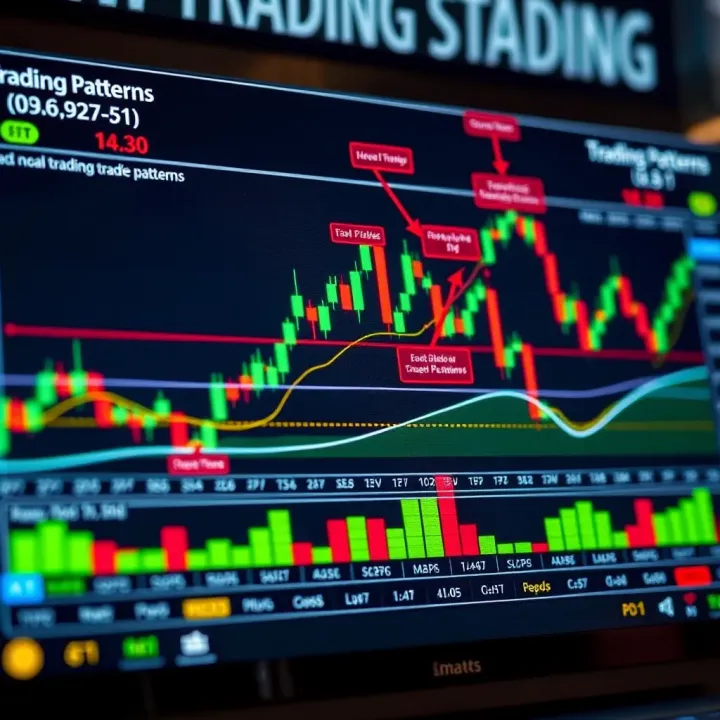
📈 Understand key trading patterns with clear chart examples and expert tips. Access essential PDF resources to boost your trading skills in Pakistan and beyond.
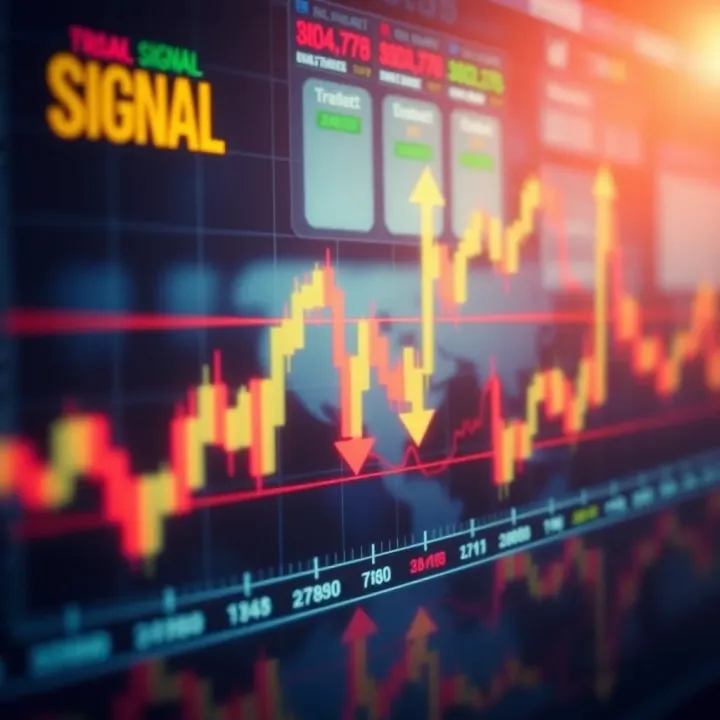
📈 Learn how trading signals can guide your investment decisions, types of signals, interpreting them wisely, and tips to avoid common mistakes for better results.
Based on 5 reviews