

Understanding Trade Accounts in Pakistan
📈 Explore Trade Accounts in Pakistan: Learn types, opening steps, key benefits, challenges, regulations, risk management, and smart investment tips today!
Edited By
Oliver Mitchell
Trade charts serve as the heartbeat of the trading world, offering a snapshot of market activities and price movements. For traders in Pakistan and beyond, understanding these charts isn’t just helpful—it’s essential for making informed decisions that can affect their portfolios.
Whether you’re a day trader in Karachi, an investor tracking the Pakistan Stock Exchange (PSX), or a broker advising clients, grasping how to read and analyze trade charts can be the difference between spotting a good opportunity or missing out entirely.
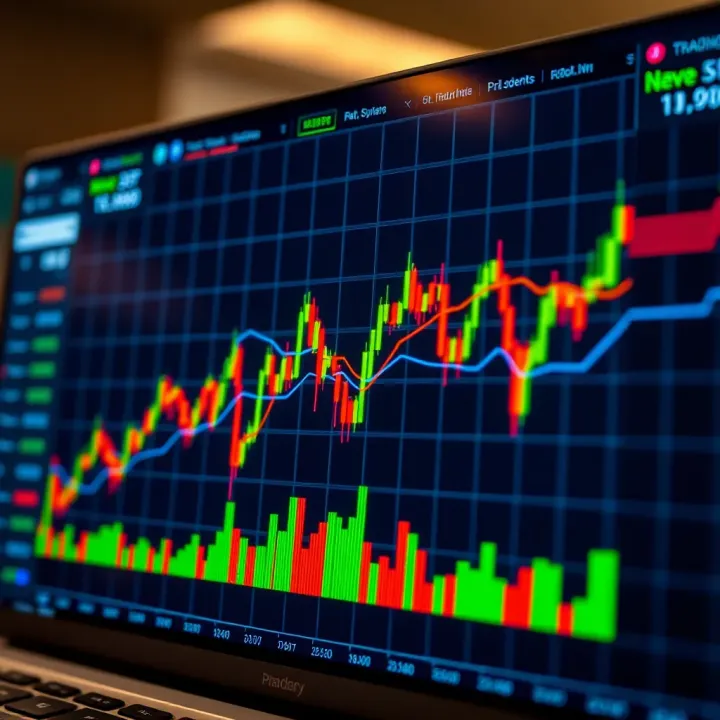
In this guide, we’ll break down the types of charts used in trading, decode the components that make them tick, and explore practical tips to interpret them with confidence. We’ll also cover common patterns and technical indicators tailored to the dynamics of the Pakistani market.
Keep in mind: Mastering trade charts isn’t about predicting the future with certainty but understanding market behavior to make smarter, data-driven moves.
By the end of this article, you should feel confident navigating through candlesticks, line charts, and bar charts, applying technical analysis, and ultimately trading smarter with a sharper eye on market trends.
Getting a solid grip on trade charts is like having a reliable compass when you're navigating the chaotic waters of financial markets. For traders, especially those working within Pakistan’s market where conditions might differ greatly from global giants, understanding charts isn't just an advantage—it’s essential.
Trade charts provide a visual snapshot of market behavior over time, letting you see price movements, volume, and trends all at a glance. This isn’t just about pretty lines or patterns; it’s about turning raw numbers into something meaningful and actionable. For example, a day trader looking at the KSE-100 index charts can spot momentum shifts or possible reversals before these changes hit the news or official reports.
By mastering the basics covered in this section, including the very definition of trade charts and why they matter, you’ll be ready to build on that foundation and make quicker, more informed decisions. Whether you are a newbie or have some experience, this introduction will establish the key points every trader must know.
Trade charts are graphical representations of stock, commodity, or currency prices plotted over specific time frames. Think of them as the heartbeat monitor for financial instruments—they show how prices pulse, rise, fall, or stabilize. They’re made using data points such as opening price, closing price, highs, lows, and sometimes trading volume.
What makes them practical is their ability to condense complex market data into a form that you can interpret quickly. For instance, a simple line chart depicting the daily closing price of Pakistan’s oil and gas sector stocks over a month helps spot a clear trend much faster than scanning each day’s price details individually.
In financial trading, these charts function as tools that assist traders in understanding past and current market conditions. This insight is crucial for predicting potential future movements and planning strategies accordingly. A chart might reveal if a stock is in a bullish trend or if it’s likely to face resistance and drop.
Furthermore, charts enable traders to use technical analysis techniques, such as identifying support and resistance levels, spotting patterns like the "head and shoulders," or applying indicators like Moving Averages and RSI. Imagine a trader using candlestick charts to quickly judge market sentiment in Pakistan’s forex market—this can guide decisions on when to buy or sell in volatile moments.
Charts are invaluable for spotting market trends, which are the backbone of many trading strategies. By observing if prices are consistently moving upward (uptrend), downward (downtrend), or sideways, traders can decide whether to hold on, enter new positions, or exit existing ones.
For example, a trend in Pakistan’s textile industry shares that shows regular higher highs and higher lows on a bar chart signals strength, indicating a good buying opportunity. Conversely, a downtrend warns traders to tread carefully.
Beyond just identifying trends, trade charts support real-time decision making. Charts help traders decide entry points, set stop-loss orders, and take profit levels. They provide context amid market noise, helping to avoid rushed or emotion-driven trades.
A local trader using volume data on charts might notice unusually high buying volume in a steel stock, prompting a closer look before deciding to invest. This disciplined approach increases the odds of successful trades and risk management.
In trading, good charts don’t guarantee profits but give you a clearer picture of the market’s mood — that edge can be the difference between a lucky guess and a smart move.
By gaining confidence through chart reading, traders develop better instincts and can navigate Pakistan’s diverse markets, from equities to commodities, with greater assurance.
Trade charts are the backbone of trading analysis, giving traders the visual edge to spot price moves, trends, and potential opportunities. Different types of charts offer varied ways to slice and dice market data, each with its own strengths and ideal uses. For anyone aiming to navigate Pakistan’s markets effectively or any global exchange, understanding these chart types is like having a versatile toolkit at your disposal.
Line charts are the simplest form of trade charts. They connect closing prices over a selected time period using a continuous line. Despite their straightforward nature, they provide a clear snapshot of the overall price direction.
Basic representation of price movement
Line charts strip away noise and focus solely on the closing price, which traders often consider the most important because it reflects consensus at the end of a trading session. For example, if the closing price on the Pakistan Stock Exchange for Habib Bank Limited is increasing day by day, a steady upward line will clearly display this rise. This simplicity helps traders quickly grasp the general trend without being distracted by intra-day fluctuations.
When to use
Use line charts when you need a quick glance at the market direction or want to compare broad trends across different securities. They work well for beginners and anyone interested in long-term investing rather than catching every tick. For instance, if you’re tracking the oil market or major indices like KSE-100 over several months, line charts provide a neat overview without overwhelming detail.
Bar charts add layers of detail by showing more information per time period than line charts. Each vertical bar represents the opening, high, low, and closing price (OHLC) for that interval.
Structure and information conveyed
The bar’s top marks the highest price, the bottom marks the lowest, and horizontal ticks show the opening (on the left) and closing (on the right) prices. This layout lets traders see price volatility and market sentiment in each session. Take a daily bar for Engro Fertilizers; the length of the bar shows how far price fluctuated, and the opening and closing positions indicate whether buyers or sellers controlled the session.
Advantages for traders
Bar charts help identify key turning points by showing how the price behaved within the time frame, not just where it ended up. This makes spotting reversals or breakouts easier. Although they can look busier than line charts, experienced traders prefer them because they reveal the battle between bulls and bears more clearly. For example, if the bar’s closing price is higher than the open and near the high for the session, it suggests buying pressure — a useful insight for timing entry points.
Candlestick charts are similar to bar charts but present price data visually in a way that’s immediately intuitive, using a 'body' and 'wicks' to depict price movements.
Understanding candlestick components
Each candlestick shows four prices: open, high, low, and close. The large body between open and close tells you if the price moved up or down (usually colored green for up, red for down). The thin lines above and below, called wicks or shadows, display the session’s price extremes. This clear picture helps traders quickly assess market sentiment.
Popularity among traders
Candlestick charts are hugely popular worldwide and in Pakistan too, because pattern recognition is easier with their visual cues. Familiar shapes like doji, hammer, or engulfing candlestick patterns guide traders about indecision, reversals, or strong moves. For instance, a hammer pattern forming after a downtrend on a candlestick chart of Pakistan Oilfields Limited can hint at a potential price bottom and a buying opportunity.
In short, understanding the types of charts and when to use them equips traders to make smarter, better-timed decisions. Whether you want a clean line chart to identify a trend or a candlestick chart to pinpoint exact turning points, each has a role.
By mastering these chart types, you build the foundation to read markets like a pro and respond to price moves confidently — which is vital for success in any trading environment, especially dynamic markets like Pakistan’s.
Every trade chart is like a well-organized toolbox: it has parts that help traders make sense of market data quickly and accurately. Understanding these key components isn't just a nice-to-have; it's the backbone of making informed trading decisions. In practice, knowing what to look for helps you identify price movement patterns, timing, and market sentiment.
Think about it like reading a map—you wouldn't get far without knowing what the symbols mean or which way is north. Trade charts have two fundamental axes and volume data that fill in the story behind the numbers.
Price is usually shown on the vertical axis (the Y-axis) of a chart. This axis lets you see at a glance how the price of a stock, commodity, or currency moves over time. The numbers are marked in increments, and it’s important that these increments reflect the asset's volatility accurately. For example, if you’re looking at a highly volatile stock listed on the Pakistan Stock Exchange (PSX), the price scale may adjust dynamically to capture bigger swings.
In real terms, this means if a stock jumps from 50 to 60 Pakistani Rupees, you want the axis to reveal that clearly, not squeezed down so tight you miss the action. This is critical when making quick decisions—like whether to buy or sell—based on recent price behavior.
Time is plotted along the horizontal axis (the X-axis). But this isn’t just clock time; it represents recorded price moments in intervals. These intervals could be minutes, hours, days, or even months depending on your trading style. A day trader, for instance, might use 5-minute or 15-minute intervals, while a long-term investor might look at weekly or monthly charts.
These intervals help you understand the pace of price changes and spot patterns like trends or reversals. In Pakistan's market context, where trading hours might differ compared to international markets, it's wise to adjust your charts accordingly to capture local trading activity efficiently.
Volume shows how many shares or contracts changed hands over a defined period, often displayed as bars beneath the price chart. It’s not just a number; it’s a pulse check of market interest. Imagine a scenario where a stock’s price is climbing but volume is shrinking—that could be a warning that the rally lacks conviction and may fade soon.
Conversely, increasing volume on a price breakout often confirms that traders back the move, which can signal a buying opportunity. For example, during the recent rally of Pakistan Telecommunication Company Limited (PTCL), traders saw volume spikes that confirmed strong interest and helped validate the price moves.
Volume doesn’t just reflect activity; it drives price behavior. High volume can intensify price moves and lead to volatility, while low volume often means consolidation or indecision. This relationship is crucial for timing your trades. Entering a position during a low-volume move might leave you stuck in a false trend.
Think of it this way: if ten people try to push a car, it may budge, but with a hundred people pushing, it’s unstoppable. Volume works similarly—it amplifies momentum. Practical trading strategies often focus on volume spikes combined with price action to decide entry or exit points more reliably.
Always remember, price tells the story; volume provides the emotion behind it.
By mastering these fundamental components—price and time axes, along with volume—you get a clearer, more actionable picture of the markets. This knowledge goes a long way in navigating the twists and turns of trading, especially on Pakistan’s dynamic bourses.
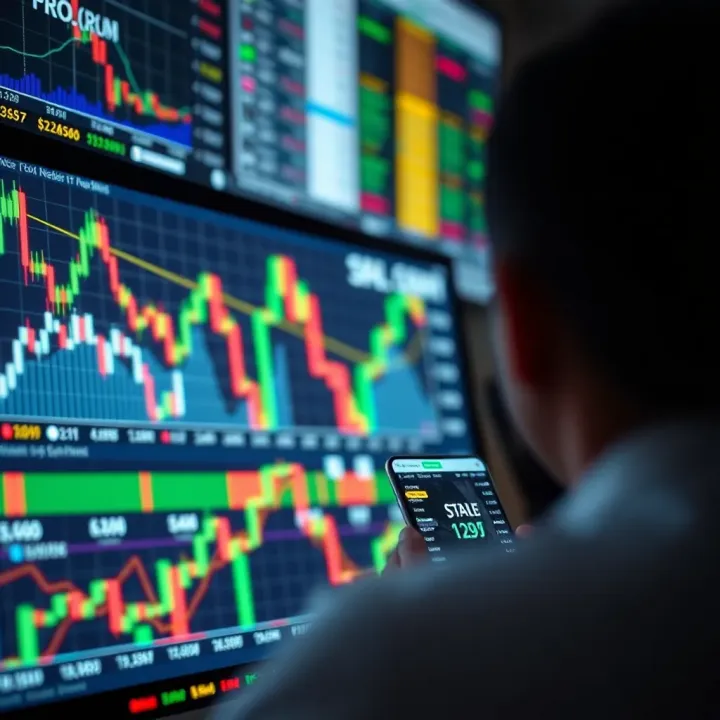
Chart patterns play a key role in trading by helping you anticipate potential price moves based on past market behavior. Recognizing these patterns on trade charts can give a trader a heads-up on what might come next—whether a trend continues, reverses, or stalls. In practical terms, understanding common chart patterns lets you time your decisions better and manage risk more smartly.
For example, spotting a classic chart pattern like a 'head and shoulders' formation early could save you from holding on to a losing position just a bit too long. These patterns reflect the natural back-and-forth between buyers and sellers, making them very relevant in all markets, including Pakistan’s.
An uptrend is marked by prices making higher highs and higher lows, signaling that buyers are in control. For traders, spotting an uptrend means opportunities to buy on dips could be more favorable since demand is pushing prices upward. Conversely, a downtrend sees lower highs and lower lows, showing sellers are dominating, warning traders to be cautious or look for selling chances.
In practice, during an uptrend in the KSE 100 index, a trader may choose to hold stocks longer, trusting the general upward momentum. Meanwhile, in a downtrend, it might be wise to tighten stop-losses or avoid new long positions. Recognizing these trends offers clarity about market direction and helps align trades accordingly.
Sideways trends happen when prices move within a horizontal range, neither making significant highs nor lows. This indicates a balance between buyers and sellers, often leading to a period of indecision. Traders recognize these phases as consolidation periods before the next big move.
A practical tip: during sideways trends, range trading strategies like buying at support and selling at resistance can be profitable. For example, if a stock on the Pakistan Stock Exchange repeatedly bounces between 50 and 55 rupees, it might be worth trading within that range until a breakout occurs.
The head and shoulders pattern is one of the most reliable reversal signals. It forms with three peaks—the middle peak (the head) being higher than the other two (the shoulders). It hints that the current trend is losing steam and a reversal may come soon.
If you spot this pattern after an uptrend, it often suggests the tide is about to turn down. The inverse, or upside-down version, signals a reversal from downtrend to uptrend. Traders use this pattern to plan exits or enter counter-trend trades.
Double tops and bottoms look like the market testing the same price level twice, failing to break through. A double top generally signals a bearish reversal after an uptrend, while a double bottom suggests a bullish reversal after a downtrend.
For example, if a currency pair traded on Pakistan’s Forex market hits a resistance level at 180 twice but can’t go higher, this double top signals weakness and could prompt selling. Recognizing these patterns helps traders prepare rather than react late.
Flags and pennants appear as brief pauses in price movement following a strong directional move. Flags look like small rectangles slanting against the prevailing trend, while pennants are small symmetrical triangles.
These patterns suggest the original trend will continue once the pause ends. Traders often enter new positions on the breakout. For instance, after a nifty jump in the Pakistan Stock Exchange, a flag formation might mean the rally isn’t done yet.
Triangles form when price action consolidates and the range tightens between converging trendlines. There are ascending, descending, and symmetrical triangles, each hinting at distinct future moves based on the breakout direction.
Understanding triangles allows traders to anticipate volatility squeezes. For example, a symmetrical triangle in a popular Pakistani stock like Engro Corporation often signals a breakout in either direction; spotting this pattern prepares traders to act quickly.
Flying blind with charts is risky—knowing these common patterns equips you with a visual tool to gauge what's likely ahead, saving time and reducing guesswork.
These chart patterns, combined with price action and volume analysis, give you a solid framework for spotting profitable trades and avoiding costly mistakes in Pakistan’s dynamic markets.
Technical indicators play an important role in helping traders make sense of trade charts. These tools use mathematical calculations based on price, volume, or open interest to offer insights that the naked eye might miss. For traders in Pakistan, where market movements can be influenced by both local and global events, these indicators provide essential clues to timing and decision-making.
Using indicators can help confirm price trends, signal potential reversals, and highlight entry or exit points with better precision. However, it’s wise not to depend solely on these tools. Combining indicators with price action and market context leads to smarter, more confident trades.
Moving averages smooth out price data, making trends easier to spot. The Simple Moving Average (SMA) calculates the average price over a specific number of periods. For example, a 20-day SMA adds the closing prices of the last 20 days and divides by 20. This is a straightforward way to see the general price direction.
Exponential Moving Average (EMA), on the other hand, gives more weight to recent prices, reacting faster to recent price changes. This makes the EMA more responsive, which is useful in markets like Pakistan’s KSE-100 index where price swings can be sharp.
Both SMAs and EMAs help traders identify whether the price is trending up, down, or sideways. If the price is consistently above the moving average, it’s a signal the trend might be bullish. Conversely, prices below the moving average can hint at bearish momentum.
One popular strategy involves watching for moving average crossovers. This happens when a short-term moving average crosses a longer-term one. For instance, when the 20-day EMA crosses above the 50-day SMA, it can suggest a bullish signal — a trigger to consider buying. When it crosses down, it might hint at selling or taking caution.
These crossover points tend to catch market shifts early. Still, traders should pair this signal with other indicators or chart patterns to avoid "false alarms" which can happen when markets are choppy.
The RSI is a momentum indicator measuring the speed and change of price movements, ranging from 0 to 100. Traders use it to judge whether an asset is gaining strength or weakening. Generally, an RSI above 70 suggests the asset might be overbought, while an RSI below 30 indicates it might be oversold.
This helps traders decide whether a price might reverse soon or continue its trend. For example, if the RSI on a frequently traded Pakistani stock jumps above 70 quickly, it could mean the price is stretched and due for a correction.
Overbought conditions happen when prices rise too fast and buyers might soon step back. Oversold conditions occur when prices have dropped sharply and buyers might start stepping in. RSI helps highlight these extremes.
Traders use these signals to plan their trades. When the RSI shows overbought, it might be a good time to lock in profits. Conversely, oversold levels can signal a buying opportunity. But, like all indicators, RSI works best combined with volume data or chart patterns to confirm signals.
MACD involves two moving averages and a histogram. The two lines are the MACD line (difference between a 12-day EMA and a 26-day EMA) and the signal line (a 9-day EMA of the MACD line). The histogram shows the gap between these two lines.
This indicator helps measure momentum and trend strength. When the MACD line moves away from the signal line, that indicates growing trend momentum.
The key signals traders look for with MACD are crossovers, divergences, and the histogram’s behavior. When the MACD line crosses above the signal line, it often triggers a buy signal; crossing below is a sell signal.
Divergences, where the price and MACD move in opposite directions, warn of potential trend reversals. For example, if a stock price is climbing but MACD is falling, that could signal weakening momentum.
The histogram turning from negative to positive also confirms a shift in momentum and can help traders decide when to get in or out of a trade.
Remember: No single indicator is foolproof. Using moving averages, RSI, and MACD together can provide a clearer picture, helping Pakistani traders avoid costly mistakes.
These technical indicators add depth to the chart-reading process and offer practical signals for trade planning. Properly understanding and combining them helps traders navigate the market’s ups and downs more confidently.
Reading trade charts well is like having a map in a busy city—without it, you're wandering aimlessly. For traders, getting the hang of charts means spotting the shifts in market mood before others do. This section digs into how to decode these graphical stories effectively to make smarter trading calls.
Charts aren't just colorful lines or blocks; they're packed with clues about where the market's been and where it might go. Understanding these hints helps traders manage their money better and jump in or out at just the right time.
Chart patterns and technical indicators are the bread and butter for spotting trends. Patterns like 'flags', 'head and shoulders', or simple trendlines tell traders whether the market's likely to move up, down, or sideways. Indicators like Moving Averages or the Relative Strength Index (RSI) add another layer by quantifying strength and momentum.
For example, if the 50-day moving average crosses above the 200-day moving average—a classic golden cross—it often signals bullish momentum. Traders can use such signs to ride an uptrend early.
Figuring out how strong a trend is can make all the difference between a smart trade and a costly guess. Volume is a key clue here; strong trends usually come with high trading volume, meaning lots of folks are backing the move.
Suppose a stock climbs steadily but with falling volume—this might mean the upward push is weakening and could reverse soon. On the flip side, a sharp price rise on increasing volume often confirms the trend’s strength.
Knowing exactly when to enter or exit a trade can turn a small win into a big payoff. Chart signals like breakouts above resistance or bounces from support levels provide clear cues here.
Take the example of a breakout: when a stock's price closes above a known resistance point with solid volume, it suggests buyers are strong. Jumping in quickly can capture a good slice of the move. Conversely, spotting bearish reversal candlesticks near a peak can be a signal to exit.
Trading without a stop-loss is like driving blindfolded. Stop losses are safety nets that limit how much you can lose if the market plays against your expectations.
Setting a stop a bit below a recent support level is popular. If the price dips below that, it might mean the trend is failing, so cutting losses early protects capital. This approach is especially vital in volatile markets like Pakistan’s, where sudden moves are common.
Remember: Successful chart reading is part art, part science. Practice spotting trends and signals on live charts, and always balance insights with proper risk control for the best results.
Using trade charts effectively is more than just recognizing patterns or applying indicators. Traders often fall into traps that can mislead them or erode their profits if they’re not careful. This section highlights some common mistakes you want to steer clear of when working with trade charts, especially in markets like Pakistan’s where liquidity and volatility can add extra challenges.
Indicators are handy tools, but leaning on them too much can backfire. One big pitfall is ignoring price action. Price movement itself tells a story—like a stock bouncing off support or making new highs—yet traders sometimes get too distracted by RSI or MACD values and miss what’s happening right there on the chart. Price action shows the actual battle between buyers and sellers, which no indicator can fully capture.
Remember, indicators are derived from price and volume, so watching price itself should always be your starting point.
Another risk of depending heavily on indicators is getting caught in false signals. For example, a moving average crossover might suggest a buy signal, but sudden news or market liquidity issues can make that signal meaningless or even harmful. False positives can cause you to enter trades too early or exit too late, eating away at your gains. To avoid this, use indicators as part of a larger toolkit, confirming signals with other evidence rather than acting on them blindly.
Charts don’t exist in a vacuum. One major mistake is not considering fundamental factors. Say you spot a bullish chart pattern on a Pakistani stock during a time when the government is announcing tax reforms that could impact that sector—ignoring such news could lead to wrong trades. Fundamentals like earnings reports, economic announcements, and policy changes often explain why a chart behaves a certain way, and knowing them helps you avoid surprises.
Finally, beware of trading in isolation—relying solely on chart patterns and ignoring broader market conditions. For instance, during periods of high geopolitical tension or economic uncertainty in Pakistan, market behavior can be erratic, making patterns less reliable. Combining chart analysis with current market sentiment, news, and even other asset classes can provide a fuller picture and better timing.
Avoiding these mistakes can safeguard your trading decisions and improve your timing, making your chart-reading skills more effective in the real world.
Trade charts are powerful tools, but their effectiveness depends a lot on how you use them within the specific conditions of your market. For traders in Pakistan, understanding local market quirks and nuances can make chart reading more accurate and decisions more profitable. This section focuses on things that can make chart analysis more practical and reliable for Pakistani traders.
Pakistan Stock Exchange (PSX) operates from 9:30 AM to 3:30 PM, with a break between 1:00 PM and 1:30 PM. Knowing these hours is crucial because liquidity—the ease of buying and selling—varies through this timeframe. For example, the opening and closing hours tend to see the highest activity, which often triggers sharper price moves that show up clearly on charts.
Mid-session tends to be quieter, with thinner volume that could lead to misleading signals if you don't consider the lower liquidity. Imagine trying to read a candle stick chart during mid-day with low trading volume—it might look like a strong breakout, but it could just be a few trades moving prices.
Knowing when the market is most active helps you avoid false alarms and improve your timing for entries and exits.
Economic reports like Pakistan's inflation data, interest rate decisions from the State Bank, or political developments can cause sudden, large swings in price. Chart patterns can get blown out of shape on such days.
For example, if the government announces a sudden tax policy change or forex reserves numbers come out, the market might react violently, even if your usual chart signals suggest otherwise. Traders should mark these dates on their calendars and be cautious around them.
A practical tip is to watch trade volumes and price action closely after these announcements—strong volume backing a move after a report adds credibility, while low volume may signal a fake-out.
Several platforms deliver quality charting tools suitable for Pakistani traders. Investing.com, TradingView, and Pakistan Stock Exchange’s official website offer free charts that cover PSX-listed stocks and commodities. For those looking for more comprehensive analysis, MetaTrader 4 and 5 are widely used with brokers like IG or FXTM, offering technical indicators and real-time data.
Choosing a platform that updates charts quickly and supports local market instruments keeps you competitive. For instance, using TradingView lets traders customize working hours and overlays technical indicators like RSI or MACD, which are standard for spotting trends and momentum.
Charts are only as useful as the data feeding into them. Delays or inaccurate data can cause confusion. For Pakistan’s market, where intraday moves can be dramatic, relying on platforms with delayed data could result in missed opportunities or wrong decisions.
Always verify your data source's update frequency. Real-time feed is ideal but if unavailable, choose the shortest delay. Double-check key price points against PSX announcements or broker feeds.
Remember, a late tick on your chart might mean the difference between locking profits and watching them slip away.
Regularly update your charting software or refresh the web pages to avoid caching old data.
By paying attention to these practical elements—local trading hours, economic news impact, and reliable tools—you can turn trade charts into dependable guides for your day-to-day trading in Pakistan's market. These tips help avoid common pitfalls and sharpen your edge, turning messy market data into clear, actionable insight.
Wrapping up, mastering trade chart analysis isn't just about recognizing patterns or memorizing indicators. It's about combining those tools with practical wisdom and adapting them to the unique rhythms of your market. For traders in Pakistan, this means factoring in local economic factors, market hours, and liquidity challenges on platforms like the Pakistan Stock Exchange.
To get the most out of chart analysis, it's key to see it as one piece of a bigger puzzle. When paired smartly with other analysis methods, charts become a more powerful guide for making informed trading decisions.
Relying solely on charts can sometimes paint an incomplete picture. Combining technical analysis (which focuses on price patterns and trends shown by charts) with fundamental factors—like company earnings, political events, or economic policies—can greatly improve your trading edge. For example, if a chart shows a bullish breakout on a stock but earnings reports warn of declining profits, it’s a signal to tread carefully rather than jump in blindly. This balanced approach helps avoid the pitfall of chasing trades that look good technically but don’t hold up under the hood.
Chart reading is a skill that sharpens with time and effort. It’s not enough to study once and expect instant success. Regular practice — reviewing charts daily, backtesting strategies, or even simulating trades — builds intuition and confidence. Many traders in Pakistan start by using demo accounts on platforms like MetaTrader or TradingView to hone their skills without risking capital. Also, staying updated by reading market reports and attending local seminars can enrich your understanding. Think of learning as an ongoing journey, not a one-time race.
One common trap is rushing into trades based on impulsive reactions to chart signals that turn out to be false alarms. For instance, a sudden spike in volume might suggest a breakout, but without confirmation, it could be a fakeout driven by short-term spikes. To avoid this, always look for confirming signals—like multiple indicators aligning or price closing above key levels before entering a trade. Patience here saves losses and keeps your trading plan intact. Remember, not every signal means jump in; sometimes doing nothing is the best move.
Confidence in trading doesn’t come overnight. With steady practice and sticking to your strategy, you’ll start recognizing patterns quicker and making better decisions. Even seasoned traders often face setbacks but they learn from mistakes and adapt. Small wins, like correctly identifying trend reversals or setting smart stop-losses, build trust in your own judgment. Over time, this leads to trading with less hesitation and emotional stress. Confidence, after all, is a trader’s best friend when navigating volatile markets.
In sum, trade chart analysis is a valuable tool—but it’s most effective when combined with patience, discipline, and continuous learning. Balancing charts with real-world factors and your own experience leads to smarter, more confident trading choices.
📈 Explore Trade Accounts in Pakistan: Learn types, opening steps, key benefits, challenges, regulations, risk management, and smart investment tips today!
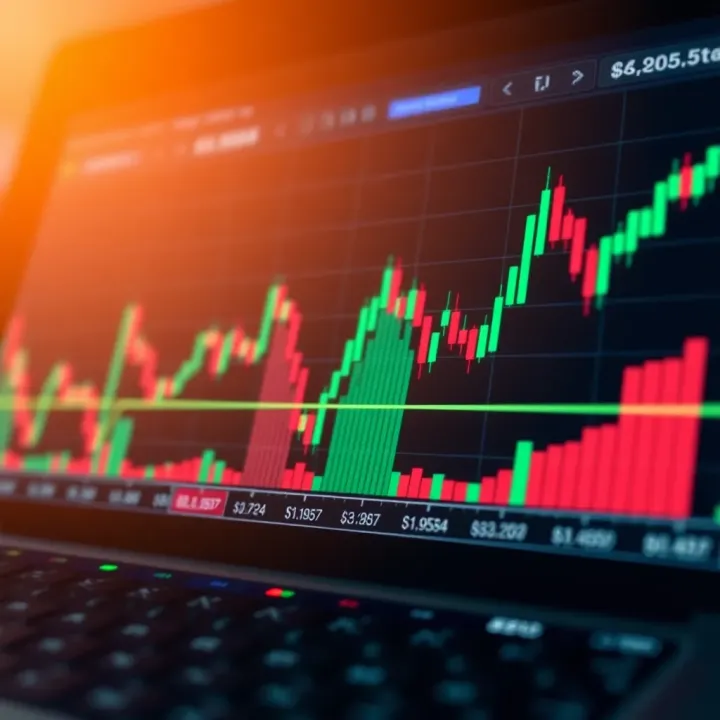
📊 Explore trade graphs to track market trends in Pakistan! Learn types, interpretation methods, practical uses, and challenges for savvy trading.

📈 Discover how to trade cryptocurrency in Pakistan safely! Learn key strategies, basics, and navigate local regulations with confidence in this practical guide.

Explore how Pakistan and similar economies trade goods and services without investment 💼. Learn trade methods, benefits, challenges, and growth impacts 📈.
Based on 7 reviews