
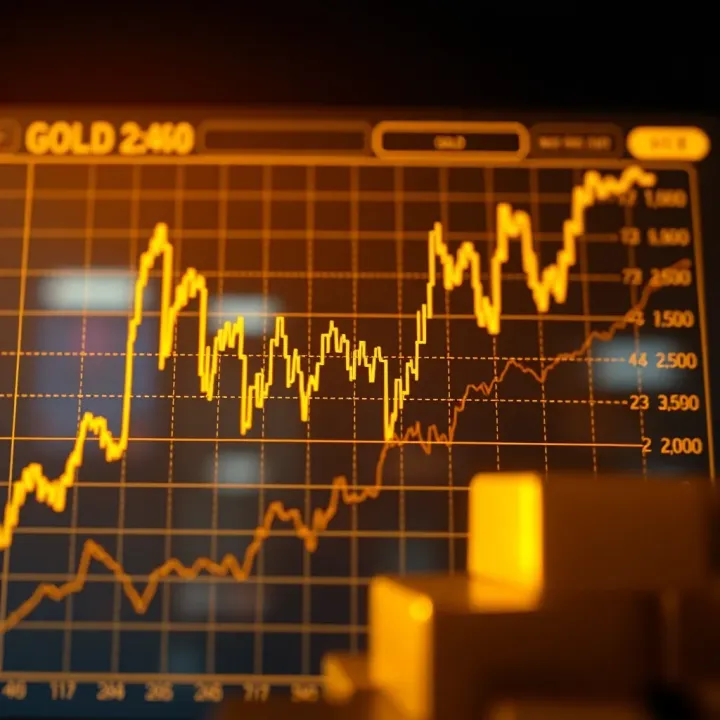
Today's Gold Price Outlook and Market Factors
📈 Track today’s gold price in Pakistan with insights on economic indicators, geopolitics, and local demand. Stay informed for smarter investment decisions!
Edited By
Oliver Barnes
Gold price moves swiftly as global and local events unfold. For investors and traders in Pakistan, understanding these shifts helps in planning buy or sell decisions effectively.
Currently, the gold price depends heavily on three main factors:
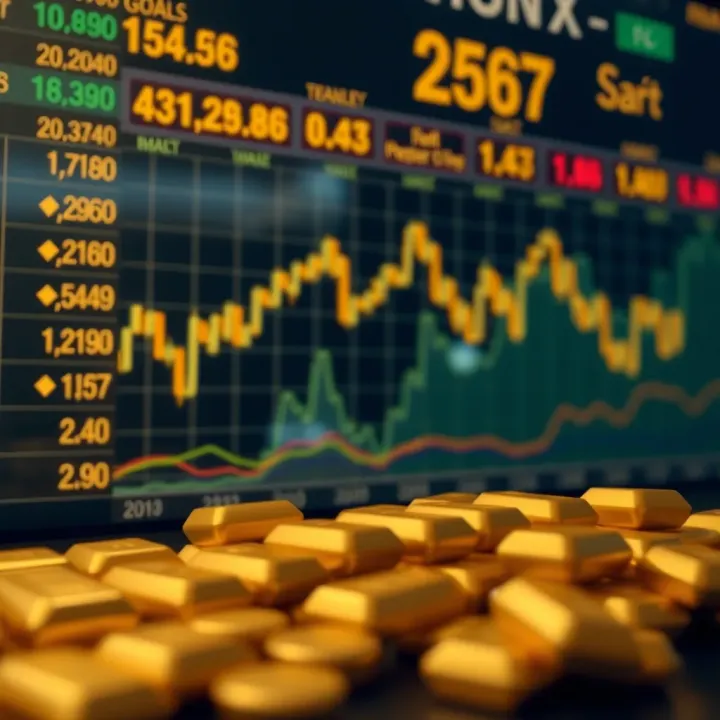
International market trends: Demand in major markets like India, China, and the Middle East strongly influences global rates.
Currency exchange rates: The Pakistani rupee (PKR) against the US dollar (USD) swings often, affecting how much gold costs locally.
Economic indicators: Inflation rates, interest rate announcements by the State Bank of Pakistan (SBP), and geopolitical tensions shape investor confidence.
In recent months, the rupee's weakening has pushed gold prices higher locally, even as global gold rates showed some stability. Inflation in Pakistan, hovering in double digits, also makes gold an attractive hedge.
Gold acts as a safeguard against inflation and currency depreciation, especially when economic uncertainties persist.
Next month's forecast suggests a moderate rise in gold prices. The ongoing global conflicts continue to unsettle markets, prompting investors to seek safe assets like gold. Plus, fluctuations in the USD, impacted by US Federal Reserve policies, feed directly into Pakistan's import costs for gold.
Since gold is traded internationally in dollars, a weaker PKR means higher rupee prices even if global prices hold steady. That said, if the rupee strengthens or inflation cools down, the local gold rate could stabilise or drop slightly.
Investors should watch for:
SBP monetary policy announcements: Any shift in interest rates can affect investment flows.
Geopolitical developments: Tensions in oil-producing regions or trade disputes can influence demand.
Global economic data: US inflation reports, China’s import data, and central bank meetings matter a lot.
Understanding these factors helps traders and investors in Pakistan anticipate the gold price movement for the coming month and adjust their strategies accordingly.
Understanding the current status of gold prices in Pakistan is key for traders, investors, and analysts aiming to make informed decisions next month. It reflects immediate market conditions shaped by local demand, supply constraints, and economic factors, offering a concrete basis to anticipate future price movements. For example, if local prices show steady gains despite global stability, it highlights strong domestic demand or supply issues, signalling potential opportunities or risks.
Recently, gold prices in Pakistan have experienced modest fluctuations influenced by rupee volatility and inflationary pressures. Over the past month, prices rose by around Rs 500 to Rs 1,000 per tola, driven primarily by a weaker Pakistani rupee against the US dollar. Traders have noted increased purchases ahead of the wedding season and Eid, which traditionally boost jewellery demand. Additionally, import delays and higher customs duties have limited gold availability, nudging prices upward.
These local patterns differ from mere global price shifts, as domestic factors like government import policies, taxation, and state bank foreign reserve status also come into play. For instance, an unstable rupee generally causes local gold costs to rise faster than international rates. Monitoring these trends helps buyers and sellers time transactions better.
Internationally, gold prices have seen mixed movements, largely impacted by US Federal Reserve interest rate decisions and global inflation data. The US dollar's strength has capped significant gains in global gold rates. For example, a recent hike in US interest rates pushed gold prices down slightly in international markets.
In Pakistan, however, local gold prices do not always follow this global pattern strictly due to currency depreciation and import constraints. While global gold hovered around $1,975 per ounce recently, Pakistani prices per tola showed a bigger jump in rupee terms because the rupee lost nearly 3% value against the dollar in the last month. This divergence means investors must track both global benchmarks and domestic economic indicators.
Keeping an eye on the gap between local and international gold rates offers valuable clues about market imbalances and potential arbitrage opportunities.
In summary, the current gold price status in Pakistan demonstrates how local economic conditions and foreign market dynamics combine to influence rates. Staying informed of these details will help investors and brokers anticipate price changes more accurately in the coming month.
Understanding global factors is essential to predicting gold prices in Pakistan because gold is a universally traded commodity, and its value is highly sensitive to events beyond local borders. Investors and traders here must watch international trends closely as they shape both supply and demand dynamics, impacting prices at the Karachi markets.

The US dollar's strength plays a direct role in gold pricing worldwide, including Pakistan. Since gold is priced in dollars on international exchanges, a stronger dollar generally pushes gold prices down as it becomes costlier in other currencies. Conversely, if the dollar weakens against the Pakistani rupee, gold tends to get more expensive locally. For example, if the dollar gains 3% in a given month due to positive US economic data, Pakistani buyers might see a price hike even if international gold rates stay stable.
Forex movements between the rupee and dollar are equally important. Pakistan’s current account deficit, remittance inflows, and SBP interventions can cause rupee volatility, impacting gold affordability. Sharp rupee depreciation often leads to higher gold prices as importers pass increased costs to consumers.
Geopolitical tensions drive investors toward gold as a safe asset. In recent years, conflicts in the Middle East, rising US-China tensions, or sanctions on major economies influence global market confidence. Such uncertainties push gold demand higher.
For Pakistan’s traders, keeping an eye on these situations helps anticipate sudden price spikes. For instance, if peace talks fail in a critical region or sanctions against Iran intensify, global markets usually see gold prices rise within days, creating opportunities and risks in local trading.
Internationally, rising inflation often leads investors to buy gold, considering it a hedge against declining currency value. Key indicators such as US Consumer Price Index (CPI), manufacturing output, and global commodity prices give clues about inflation trends.
If major economies report higher inflation than expected, gold prices typically move up. For Pakistan, this means imported inflation can cascade into gold prices due to linked supply chains and investor sentiment. Monitoring reports from Fed announcements or European Central Bank decisions can give Pakistani investors an edge in timing their gold trades.
Keeping abreast with these global factors helps traders and investors in Pakistan make informed decisions, navigating volatile markets with greater confidence and clarity.
Domestic economic factors heavily influence gold prices in Pakistan. Unlike global markets, local forces such as currency stability, inflation, and government policies shape demand and supply in ways that directly impact investors and consumers. Understanding these elements helps traders predict short-term fluctuations and plan strategies accordingly.
The Pakistani rupee's exchange rate against the US dollar plays a vital role in setting gold prices locally. Since Pakistan imports almost all its gold, any depreciation of the rupee makes imports costlier, pushing domestic gold rates up. For example, if the rupee weakens from Rs 280 to Rs 285 against the dollar, the cost of importing one tola of gold rises noticeably. This ripple effect often leads to increased retail prices.
Rupee volatility tends to create uncertainty, prompting buyer anxiety or enthusiasm, depending on the trend. A stable rupee usually translates into smoother gold price movements and less speculative buying. Traders watch central bank interventions and foreign exchange inflows closely, especially remittances, which help stabilise the currency. For instance, hefty remittance inflows during festive seasons can strengthen the rupee and ease import costs.
Inflation directly affects the purchasing power of consumers, altering their ability and willingness to invest in gold. When inflation rises, gold often becomes more attractive as a hedge against currency devaluation. In recent years, with inflation hovering above 10% annually, many Pakistanis turn to gold not just for jewellery but as a store of value.
Higher inflation fuels demand predominantly in rural and middle-class segments where gold is a preferred savings tool. Conversely, very high inflation can squeeze disposable income, moderating demand temporarily. Economists monitoring Pakistan's Consumer Price Index (CPI) note these patterns affect monthly gold demand spikes, especially before Eid or wedding seasons.
Government regulations on imports and taxes have a significant bearing on gold supply and pricing. Pakistan levies customs duty on gold imports along with sales tax and other regulatory charges. Recently, adjustments in import duties have either eased or tightened market availability.
For example, an increase in import duty from 2.5% to 4.5% can raise the landed cost of gold substantially. This cost hike typically passes on to end consumers, resulting in higher retail prices. Additionally, trade policies restricting or easing gold import licenses impact timely supply, causing price fluctuations. Traders closely monitor Federal Board of Revenue (FBR) notifications about import duties and taxation.
Domestic factors like rupee instability, rising inflation, and changing import policies often trigger quicker and sharper movements in Pakistan’s gold prices than global trends alone.
Understanding these dynamics is crucial for anyone involved in gold trading or investment in Pakistan. It enables more precise forecasting and better timing for buying or selling gold amidst a fluctuating economic environment.
Understanding the market outlook and price forecast is key for anyone involved in gold trading or investment in Pakistan. This section analyses available data and expert views to offer a realistic prediction for gold prices next month, helping traders and investors make informed decisions. It also considers seasonal trends that can influence demand and ultimately the price.
Based on the latest figures from local and international markets, the gold price in Pakistan is expected to hover between Rs 180,000 and Rs 185,000 per tola next month. This estimate takes into account recent fluctuations in the Pakistani rupee against the US dollar, bullion import costs, and global gold trends. For example, the rupee's slight weakening against the dollar last week increased import pressures, pushing up prices. However, stable inflation rates and consistent demand are likely to keep prices from spiking unusually.
Several market analysts and economists suggest a moderate rise in gold prices, mainly due to ongoing geopolitical tensions and inflationary pressures worldwide. Experts from respected financial institutions in Karachi and Lahore indicate that while the price may increase, it won't reach the high levels seen during past crises unless there are unexpected global shocks. One well-known analyst remarked that investors should watch forex reserves and SBP monetary policy updates closely, as these directly impact the gold market.
Seasonality plays an important role in shaping gold demand in Pakistan. The month following Ramazan, leading up to Eid-ul-Adha, usually sees a surge in gold purchases for jewellery gifts, weddings, and celebrations. This increased demand typically drives prices up temporarily. Traders often plan their inventory around these months, anticipating higher sales. As a result, the forecast includes a slight premium to reflect this trend, especially in Punjab and Sindh provinces where wedding season peaks around this time.
Those tracking gold prices should consider that local demand linked to cultural and festive occasions often causes short-term price swings, on top of global and economic factors.
In summary, the market outlook suggests modest upward price movement supported by seasonal buying and stable global conditions. Traders and investors should stay alert to currency shifts and policy changes while planning their buying or selling activities for the next month.
Navigating gold markets in Pakistan requires a keen understanding of both global trends and local nuances. This section offers practical advice tailored to buyers and investors aiming to make informed decisions amid fluctuating gold rates. By focusing on timing, distinguishing between different types of buyers, and using available financial tools wisely, you can protect your capital and possibly enhance returns.
Timing your entry and exit points matters significantly in gold trading. If forecasts suggest an uptick in gold prices next month — often driven by rupee depreciation or international demand — buyers might consider purchasing earlier to avoid higher costs. Conversely, sellers should weigh the benefits of holding their stock if a price rise seems likely. For instance, during recent rupee weakness, gold prices climbed above Rs 140,000 per tola, rewarding those who waited to sell.
However, sudden geopolitical tensions or central bank monetary policy changes can swiftly alter the scenario, prompting quick decisions. Monitoring updated price forecasts and currency trends daily helps traders and investors react promptly. For example, if the State Bank of Pakistan hints at interest rate hikes that may strengthen the rupee, gold prices could ease, signalling a possible selling opportunity.
Jewellery buyers typically focus on craftsmanship, design, and purity alongside price. They also factor in cultural occasions such as weddings and Eid when demand spikes, often pushing prices higher. In contrast, investors view gold strictly as a store of value or hedge against inflation, prioritising liquidity and spot rates over aesthetic qualities.
For jewellery buyers, locking in prices during periods of relative stability can safeguard against future price surges. Investors, meanwhile, may prefer gold bars or coins available from authorised dealers, which can be traded easily without losing value due to making charges.
Pakistan offers several financial tools to facilitate secure gold transactions. Digital wallets like JazzCash and Easypaisa allow for smooth payments when buying jewellery from established stores, reducing reliance on cash and easing record-keeping for budgeting.
For investors, platforms linked with stock exchange products such as gold-backed exchange-traded funds (ETFs) or certificates provide transparent pricing and regulated trading. Using SECP (Securities and Exchange Commission of Pakistan)-registered brokers ensures compliance and authenticity.
Always insist on official receipts and proper certification, whether buying physical gold or trading digitally. This practice shields you from counterfeit risks prevalent in some local markets.
Understanding the distinct needs of jewellery buyers and investors, alongside timely decisions and the prudential use of financial services, can minimise risks and optimise gains in Pakistan’s gold market.
📈 Track today’s gold price in Pakistan with insights on economic indicators, geopolitics, and local demand. Stay informed for smarter investment decisions!
Explore Bitcoin Cash (BCH) price trends and expert forecasts! Get insights on what drives BCH value, tailored for Pakistani crypto enthusiasts 📊💸

📈 Discover key factors and market insights on XAU/USD, including trends, technical analysis, and risks for gold traders and investors in Pakistan. 💰
📊 Explore BGB price trends in Pakistan, understand key factors affecting values, and get insights for investors navigating local market shifts. 📈💼
Based on 5 reviews