

A Practical Guide to Trading Chart Patterns PDF
📈 Discover key trading chart patterns with our practical guide PDF—essential for Pakistan traders aiming to master market movements and improve decisions.
Edited By
Amelia Watson
Trading can feel like trying to read tea leaves—unless you know how to spot what the charts are really saying. For traders, investors, and anyone dabbling in financial markets, understanding chart patterns is like getting a roadmap in a city with endless streets. These patterns help reveal what might happen next in price movement, allowing smarter, quicker decisions.
In this guide, we'll lay out the essential chart patterns every trader should know. But it isn’t just about spotting shapes on a screen. We'll also talk about where you can find solid learning materials like books and PDFs that break down these concepts clearly. Instead of jumping blindly into trades, you’ll gain practical tools to read charts with more confidence and make better calls.

The value of this knowledge doesn't just rest on theory. Whether you're trading stocks, forex, or commodities, chart patterns tie directly to real-world market behavior. We'll cover the basics, like identifying breaks and reversals, plus some tricky formations that can trip up even experienced traders if they're not careful.
Understanding key chart patterns is like having a sixth sense in trading. It’s about timing, patience, and cutting through the noise to see what the market really wants to do next.
Here’s a quick look at what to expect:
Why chart patterns matter and how they influence trading decisions
Common patterns and what they signal about price direction
Tips for spotting fake-outs and avoiding pitfalls
Recommendations on learning resources, focusing on books and PDFs tailored for traders at all levels
By the end of this read, you'll be better prepared to approach trading charts with clarity and a more strategic mindset. Whether you're just starting out or trying to sharpen your skills, this article is designed to give you usable insights without drowning you in jargon.
Chart patterns form the backbone of technical analysis. They give traders a visual shorthand, showing how prices have behaved in the past and hinting at what could come next. Without a solid grasp on these patterns, you’re essentially flying blind in a profession where timing and insight are everything.
For example, noticing a chart pattern like a 'double bottom' signaling a potential price rebound can be invaluable. It’s not magic, though—this pattern relies on recognizable shifts in supply and demand, shaped by trader psychology. Understanding these signals lets you make smarter moves, reducing guesswork and helping you spot opportunities faster.
At their core, trading chart patterns are shapes or formations shown on price charts. They track how an asset’s price has fluctuated over time and capture trends or reversals. Traders use them to interpret market sentiment and anticipate future moves.
Think of these patterns as signposts. For instance, the 'head and shoulders' pattern might suggest the end of an uptrend. Knowing this allows traders to prepare to sell before prices fall. So, these patterns are essential tools—not guaranteed predictors, but powerful hints grounded in historical price movements.
Chart patterns don’t just show numbers—they mirror how traders feel. Fear, greed, indecision, and confidence all play out as price moves. For instance, a 'triangle' pattern might indicate a battle between buyers and sellers, with neither side gaining the upper hand just yet.
Understanding these emotional currents helps traders be one step ahead. When you see a 'flag' pattern after a big price jump, it often signals a momentary pause as the market gathers steam for the next surge. Recognizing this lets you ride trends rather than fight them.
"Chart patterns are like a trader’s moods captured in lines and curves. They tell stories about what’s going on behind the scenes."
One of the biggest advantages of learning chart patterns is getting a better handle on where prices might go next. A well-formed 'cup and handle' can signal a strong chance of upward momentum, alerting you to jump in early.
Of course, no pattern works every time, but when combined with other analysis methods, they improve your odds. This is particularly useful in fast-moving markets like forex or tech stocks, where catching trends early means more profit opportunities.
Knowing chart patterns also helps sharpen your timing. Rather than entering a trade blindly, patterns like 'flags' or 'pennants' indicate pauses before continuation. These pauses can give you the perfect moment to join the trend or set stop-loss orders wisely.
For example, imagine watching a stock that’s been steadily climbing. Spotting a 'flag' pattern forms an alert to prepare for a breakout. If you act at the right moment, you avoid getting stuck in a fake move or missing the main run altogether.
In essence, chart patterns give your strategy a practical edge, letting you plan entries and exits instead of hoping for the best.
Understanding common chart patterns is a key step for any trader wanting to get a clearer picture of market moves. These patterns are like visual clues on price charts, hinting at what might come next, whether a trend is reversing, continuing, or pausing. Recognizing these patterns helps traders make smarter decisions, timing entries and exits more effectively.
Reversal patterns signal a potential change in the current market direction. Spotting them early can save you from losses or even help you catch new trends right at their start.

The Head and Shoulders pattern is one of the most reliable reversal indicators. It consists of three peaks: the middle peak (the 'head') is higher than the two on either side (the 'shoulders'). When the price breaks below the neckline connecting the lows between the shoulders, it often marks the end of an uptrend and the beginning of a downtrend. Traders use this pattern to exit long positions or enter shorts. For example, spotting a Head and Shoulders on a stock like Engro Fertilizers might suggest a drop in price ahead after a sustained rally.
Double Tops and Bottoms are simpler reversal patterns formed when price hits the same high or low twice before reversing. A Double Top, seen as an "M" shape, implies strong resistance that the price can’t break through, signaling a potential trend reversal from up to down. Conversely, a Double Bottom looks like a "W" and indicates support, hinting at a switch from downtrend to uptrend. Traders often wait for confirmation by watching for price to move beyond a support or resistance level before acting.
Continuation patterns suggest the price is pausing but likely to keep moving in the same direction afterward. These can be handy for traders wanting to ride the wave rather than catch reversals.
Triangles come in various forms—ascending, descending, or symmetrical—each with slightly different implications. For example, an ascending triangle, where the price makes higher lows but keeps hitting the same resistance, often points to an upward breakout. This pattern can be especially useful during volatile market periods in Pakistan, as it provides clues about where price may push next. When the price finally breaks out of the triangle, it usually leads to a significant move in the breakout’s direction.
Flags and pennants are short-term continuation patterns that show a brief consolidation or pause before the trend resumes. Flags look like small rectangles slanting against the prevailing trend, while pennants form small symmetrical triangles. Both patterns are often preceded by a strong price movement called the flagpole. Traders use these patterns to enter trades in the direction of the existing trend, expecting the momentum to continue after the brief pullback.
Besides the more familiar ones, there are other patterns worth watching. They provide additional layers of insight into market behavior.
The Cup and Handle is a bullish continuation pattern that forms a rounded bottom (the 'cup') followed by a smaller consolidation (the 'handle'). It resembles a teacup and indicates a strong buying interest after a period of digestion. Traders look for a breakout above the handle’s resistance, like when analyzing stocks on the Karachi Stock Exchange, to confirm the upward move.
The Rounding Bottom is a longer-term pattern showing a gradual shift from a downtrend to an uptrend. It looks like a smooth U-shape on the chart and reflects a slow build-up of buying pressure after a downtrend. This pattern signals a major change in market sentiment, often seen in indices or large-cap stocks. Once the price breaks above the resistance level at the top of the rounding shape, it can lead to sustained gains.
Recognizing these patterns takes practice, but by incorporating them into your analysis, you gain an edge in understanding market tendencies. Always combine them with volume analysis and other indicators to improve accuracy.
By mastering common chart patterns such as Head and Shoulders, Double Tops and Bottoms, and well-known continuation formations like Triangles and Flags, traders can better anticipate market shifts and enhance their strategy. These tools are not foolproof but when used judiciously, they add a valuable dimension to trading decisions.
Using chart patterns effectively separates casual observation from smart trading decisions. It’s not just about seeing a shape on the chart; it’s about understanding what that shape means in context, helping you make moves that aren't just guesses but informed responses.
For example, spotting a head and shoulders pattern is one thing. But confirming whether it indicates a genuine reversal or a false alarm is another story entirely. Effective use of chart patterns involves verifying signals and combining insights with other tools. This approach improves timing, reduces risk, and boosts the chances of success.
Volume is an often-underestimated factor that can make or break your interpretation of chart patterns. Think of volume as the heartbeat behind price movements—if the pattern forms without enough volume backing it up, there's a good chance it won’t play out as expected.
Take the classic double top: if prices hit a resistance level twice but volume decreases on the second peak, that weakening interest hints the reversal might hold water. Conversely, if volume spikes sharply on a breakout from a cup and handle pattern, it’s a strong sign buyers are pushing price higher.
Always check volume alongside patterns. Without it, your charts might be telling you a half-truth.
Chart patterns on their own offer clues, but blending them with other indicators can paint a clearer picture. Say you spot a triangle formation—pair this with the Relative Strength Index (RSI) to see if the asset is overbought or oversold before making a call.
Indicators like Moving Averages, MACD, or Bollinger Bands can back up pattern signals or warn you if the setup looks shaky. For example, an ascending triangle breaking out while the MACD line crosses above its signal line can confirm bullish momentum.
When layering indicators, avoid drowning in signals. Pick a few that suit your strategy and keep watch. This way, you use patterns and additional data as a double-check, not clutter.
In essence, using chart patterns effectively means not relying on shapes blindly, but verifying with volume and reinforcing with complementary indicators. Traders in Pakistan and beyond will find this approach invaluable in navigating the unpredictable markets with a sharper, more confident edge.
When it comes to getting a solid grip on trading chart patterns, books and PDFs remain a reliable resource. Unlike quick online articles that sometimes skip the nitty-gritty, these materials often provide a detailed roadmap. They're perfect for traders who want to take their understanding step-by-step, ensuring nothing important slips through the cracks. Especially for folks new to trading or those looking to refresh their basics, having a tangible guide on hand can make a big difference.
One of the biggest perks of studying chart patterns through books or PDFs is the clear, structured path they lay out. Instead of jumping from one random pattern to another, these resources usually begin with foundational concepts and gradually move to more complex patterns. It's like building a house brick by brick rather than stacking everything haphazardly. For example, a book like Technical Analysis of the Financial Markets by John Murphy starts with basic price action and progressively introduces chart patterns with real examples. This logical flow helps traders not just memorize but truly understand how patterns work and when to trust them.
Books and well-researched PDFs often come from experienced traders or financial analysts who’ve been in the game for decades. This means you're tapping into insights gained through real market ups and downs. Take Encyclopedia of Chart Patterns by Thomas Bulkowski—it's packed with statistical analysis on the success rates of various patterns, which you won’t find in every random blog post. Having access to these experts' observations and advice gives you a more grounded view and can help avoid rookie mistakes.
Finding reliable PDFs is key because not all free resources are accurate or updated. Look for PDFs from reputable financial education platforms or well-known traders. Websites affiliated with financial institutions or platforms like Investopedia often offer well-vetted PDFs. Also, trust classic books that have been converted into PDF format, like the ones mentioned earlier. Publishers like Wiley or McGraw-Hill also maintain quality control over their educational materials, meaning their PDFs usually stick to the facts and current practices.
The world of trading evolves fast, so staying away from outdated materials is crucial. Some PDFs floating online might be years old, covering chart patterns that behaved differently in yesterday’s market climates or ignoring newer tweaks in technical analysis. Always check the publication date and look for resources that have been revised fairly recently. Another tip is comparing the information with other trusted sources to spot any contradictions or red flags. If a PDF makes bold claims without solid examples or data, it's better to pass on it.
Remember, good trading decisions rely heavily on trustworthy knowledge. Spending some time vetting your study materials can save you headaches and losses down the road.
Using books and PDFs as study tools keeps learning organized, credible, and detailed. Taking this approach will set you apart from traders who only skim headlines and quick tips, encouraging a deeper, practical grasp of trading chart patterns that you can rely on in real-market situations.
Getting the hang of trading chart patterns isn’t just about watching videos or reading guides; it’s about applying that knowledge regularly in real-world scenarios. Practical tips for studying chart patterns give traders a way to build skills steadily and avoid common pitfalls. These tips help bridge the gap between theory and action, offering a hands-on approach that’s crucial for understanding how patterns behave in ever-moving markets.
Nothing beats learning by doing, especially in trading. Practicing with real-time charts allows traders to see patterns as they develop — not after the fact. For instance, using platforms like TradingView or MetaTrader, one can track how a head and shoulders pattern forms in the heat of a trading session, observing price action and volume changes simultaneously.
Working with live data sharpens your ability to spot subtle shifts that static images in books or PDFs won’t capture. It also helps build instinctive decision-making skills. Say you’re watching a triangle pattern unfold and notice volume dropping — this might hint a breakout is coming. Watching and acting in real-time makes the connection between pattern theory and market reality much clearer.
Remember, chart patterns aren’t just shapes on a screen —they’re stories written by traders’ emotions and actions. Real-time experience helps you read those stories better.
A trading journal is more than just a diary; it’s your personal map showing what worked, what didn’t, and why. Recording each trade where you identified a chart pattern, the entry and exit points, and the outcome offers invaluable feedback.
For example, if you notice that your trades based on pennants lead to quick profits more often than those based on double bottoms, your journal highlights where to focus. It also encourages reviewing your emotional state during trades — were you panicked or confident when the pattern confirmed? Over time, this reflection spotlights weaknesses and solidifies strengths.
Keeping a journal forces discipline— an often overlooked skill that’s key for long-term success in trading. As a bonus, if you’re ever unsure whether you missed any details in the heat of trading, your journal acts as a reliable refresher.
By practicing with real-time charts and maintaining a thoughtful trading journal, traders step out of the “guessing game” and into informed, confident decision-making. These practical study habits complement the theory of patterns, making the learning process richer and more effective.
Wrapping up the journey through trading chart patterns, it’s clear that understanding these patterns can seriously sharpen your trading edge. They’re not just pretty shapes on a screen; they tell stories about what’s happening in the market—who’s buying, who’s selling, and when the momentum might shift. But knowing them isn’t enough. The real value comes from applying what you’ve learned, testing it out in live settings, and staying curious about deeper strategies.
Getting confident with chart patterns is like learning to read a new language. At first, all the lines and shapes might seem overwhelming, but with practice, you begin to spot familiar signs and anticipate moves better. For instance, spotting a Head and Shoulders pattern before a price reversal can give you a heads up to close or adjust a position. One good way to gain confidence is to paper trade—practice with simulated money until you’re comfy making real decisions.
Remember, confidence doesn’t mean you will always be right. It means you trust your analysis enough to act decisively and manage your risk smartly. Even Warren Buffett stresses the importance of patience and discipline, which go hand-in-hand with understanding patterns. Keep a trading journal; jot down what you see, what worked, and what didn’t. Over time, this habit builds a personalized roadmap that teaches you more than any textbook.
Books and PDFs are fantastic for laying a strong foundation, but don’t stop there. Markets evolve, and so should your knowledge. Consider joining webinars, following real-time market discussions, and even engaging with trading communities. Platforms like Investopedia, TradingView, and Bloomberg provide updated insights and often include interactive tools where you can test different chart patterns.
Also, trading mentors or coaches can offer personalized feedback that no PDF can give. They’ll point out nuances and blind spots you might miss alone. For example, seeing a pattern in a textbook is one thing; spotting it in a choppy market is quite another.
At the end of the day, the best traders keep learning. The moment you think you know it all is the moment you fall behind. Keep your eyes open, stay humble, and use all the resources available to adapt and refine your approach.
Consistent study, practice, and openness to learning separate successful traders from the crowd.
By weaving together knowledge, practical experience, and ongoing education, you’ll be better equipped to navigate the market’s twists and turns with a clear head and steady hand.
📈 Discover key trading chart patterns with our practical guide PDF—essential for Pakistan traders aiming to master market movements and improve decisions.
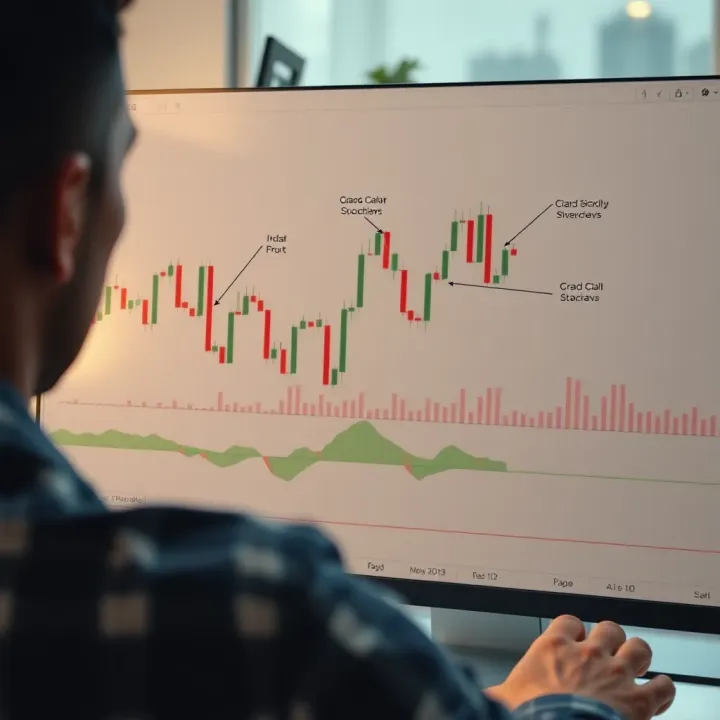
📊 Explore key trading chart patterns with our detailed guide plus free PDF resources! Perfect for traders and investors in Pakistan aiming to sharpen strategies.

📊 Explore 7 key chart patterns in trading to spot market trends with confidence. Get a handy PDF guide for better analysis! Perfect for all traders in Pakistan.

📈 Understand key trading patterns with clear chart examples and expert tips. Access essential PDF resources to boost your trading skills in Pakistan and beyond.
Based on 15 reviews