

Understanding Crypto Predictions for Pakistani Investors
📊 Stay ahead with insights on crypto trends, price factors, and analysis techniques tailored for Pakistani investors navigating today’s market and tech shifts.
Edited By
Oliver Barnes
Contracts for Difference (CFD) have gained attention as a flexible investment option globally, and Pakistan's financial community is showing growing interest too. Simply put, a CFD lets you speculate on the price movement of an asset—like stocks, commodities, indices, or forex—without owning the actual asset. This means you can profit from both price rises and falls, depending on your position.
In Pakistan, many traders see CFDs as a way to access international markets such as foreign shares or oil prices without needing large capital or dealing with ownership complexities. For example, rather than buying shares of a US company directly, a Pakistani investor can open a CFD position tracking that stock’s price changes. This ability to trade on margin means your initial investment can be much smaller, but it also introduces risks.
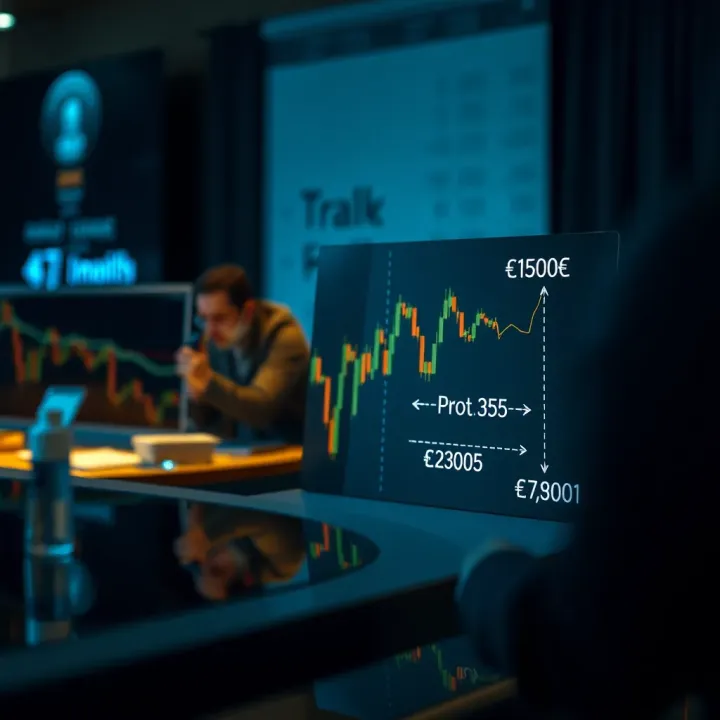
CFDs amplify both opportunities and risks by allowing leveraged trades; understanding these is essential before entering the market.
CFDs work through brokers who provide the platform to open, manage, and close positions. It’s important to choose brokers licensed and regulated by bodies like the Securities and Exchange Commission of Pakistan (SECP) or international regulators, ensuring protection against fraud or malpractice.
Key benefits of CFDs include:
Access to various markets from one trading platform
Ability to go long (buy) or short (sell) easily
No need for physical ownership or custody of assets
However, traders should be aware of:
Leverage risks leading to losses beyond initial investment
Market volatility affecting rapid price changes
Regulatory differences affecting protections and liabilities
Understanding how CFDs fit within Pakistan’s financial regulations and market context is crucial for informed decision-making. The following sections will explain in detail how CFDs work, the risks and rewards involved, and practical tips for trading CFDs responsibly.
Contracts for Difference (CFDs) offer a way for traders to speculate on price changes in various assets without actually owning them. In Pakistan’s growing financial scene, CFDs provide an alternative method for investors to participate in international markets, such as forex, commodities, and indices, without dealing with the complexities of direct ownership.
Definition of CFDs: A CFD is an agreement between a trader and a broker to exchange the difference in the price of an asset between the time the contract opens and closes. You don’t purchase the underlying asset itself; instead, you trade based on whether the price rises or falls. For example, if you believe the price of gold will increase, you enter a CFD to profit from the price movement rather than buying actual gold bars.
Difference from traditional investing: Unlike buying shares or commodities outright, CFD trading lets you open positions without full payment, thanks to leverage. This means you can control a larger exposure with a smaller capital outlay. Traditional investing often involves ownership, custody costs, and delays. CFDs deliver quicker setups and the ability to profit from both rising and falling markets — this is especially useful in Pakistan where access to some international markets can be limited.
Opening and closing positions: When you open a CFD position, you select the asset and decide whether to buy if you expect the price to rise, or sell if you expect it to fall. The position remains open until you close it, securing your profit or loss based on the difference in price. For instance, if a trader opens a CFD position on the USD/PKR pair at Rs 280 and closes at Rs 285, they gain from the Rs 5 difference per unit.
Leverage and margin explained: Leverage is what sets CFDs apart; it allows you to open a position by paying just a fraction (the margin) of the total trade value. For example, with 1:10 leverage, you can control Rs 100,000 worth of assets by putting down only Rs 10,000. While this can magnify gains, losses can also grow quickly if the market moves against you.
Role of brokers and platforms: Brokers act as intermediaries, providing the platform where CFDs are traded. They offer access to various markets, set spreads and commissions, and manage your margin requirements. Choosing a SECP-approved broker is essential to ensure regulatory compliance and security of funds. Popular platforms like MetaTrader or proprietary broker software make analysing and executing trades straightforward for Pakistani traders.
Remember, CFDs require careful monitoring and understanding of risks, especially with high leverage and volatile markets common in Pakistan’s economic context.
Opening and closing CFD positions let traders respond quickly to market moves.
Leverage means smaller upfront investment but higher risk.
Reliable brokers provide platforms and protect investor interests.
This practical overview of CFDs highlights how they differ from traditional investments, offering Pakistani traders both opportunities and challenges in local and global markets.
Contracts for Difference (CFDs) offer several practical benefits that attract traders in Pakistan, but they also come with risks that must be managed carefully. Understanding both sides helps investors make informed decisions and avoid common pitfalls.
CFDs provide exposure to multiple asset classes without the need to physically own them. Pakistani traders can access forex, stocks, commodities like gold and oil, and even indices from global markets. For example, a trader in Karachi can speculate on the US S&P 500 index or gold prices without relocating capital abroad. This diversity helps spread risk and seize opportunities across different sectors.
Unlike traditional investment methods that profit only when asset prices rise, CFDs let traders easily take short positions. This means you can potentially earn when prices fall, a useful feature during volatile or bearish markets. Suppose the Pakistani rupee weakens against the US dollar; a trader can short forex CFDs to benefit from this movement, something not easily done through regular stock trading.
CFD trading uses leverage, allowing investors to open positions with a small deposit, called margin, rather than full value. This expands access for traders with limited funds. For instance, with a typical leverage ratio of 10:1, a trader only needs Rs 10,000 to control a Rs 100,000 position. However, leverage magnifies both profits and losses, so caution is necessary.
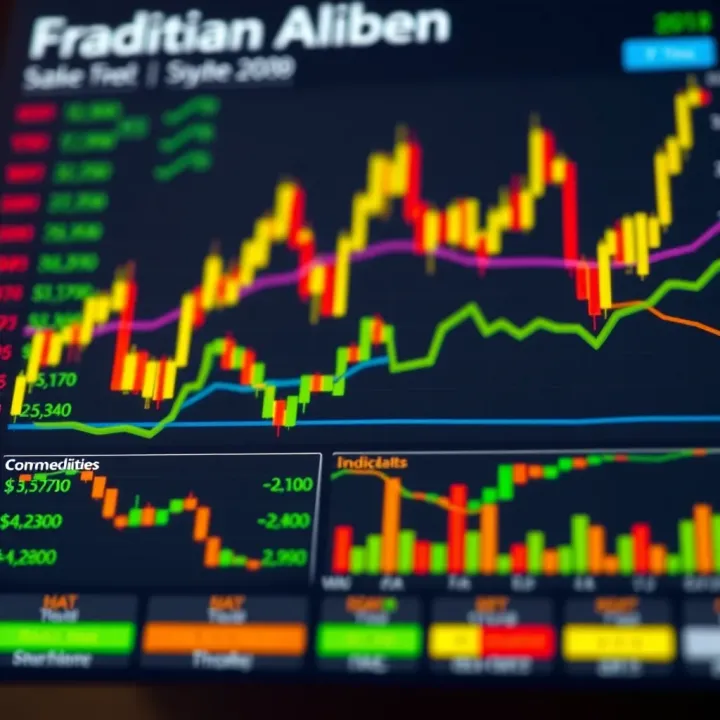
While leverage can boost returns, it also increases exposure to losses. A small adverse price move can wipe out your margin and even lead to owing more than the initial investment. Pakistani traders unfamiliar with managing leverage might face rapid losses, especially in fast-moving markets. Strict risk controls, including stop-loss orders and limited leverage, are vital.
CFDs react immediately to price swings, so volatile markets can be a double-edged sword. For example, political instability or sudden changes in oil prices can cause sharp asset moves that trigger unexpected losses. Traders must stay updated on economic news and global events affecting markets to avoid being caught off guard.
Since CFDs are OTC (over-the-counter) products, they rely on brokers to execute trades. There is a risk if a broker is unregulated or financially unstable, possibly leading to difficulties withdrawing funds. Pakistani traders should prioritise brokers approved by the Securities and Exchange Commission of Pakistan (SECP) or reputable international firms to ensure proper investor protection.
Always balance potential benefits with the risks. Successful CFD trading in Pakistan demands knowledge, discipline, and careful broker selection to safeguard capital while exploring diverse market opportunities.
Contracts for Difference (CFDs) offer Pakistani traders access to various markets without owning the underlying asset. Understanding popular markets is key to exploiting opportunities and managing risks. Pakistani investors can benefit by focusing on Forex, stocks and indices, and commodities, which hold local economic significance and global relevance.
Major currency pairs relevant to Pakistan include USD/PKR, EUR/USD, GBP/USD, and USD/JPY. USD/PKR is particularly important because of Pakistan’s heavy reliance on US dollar-based imports and remittances. Fluctuations in this pair directly affect traders speculating on import costs, export competitiveness, and foreign exchange reserves. Currency CFDs allow traders to bet on these exchange rate changes without holding physical foreign currencies.
Besides USD/PKR, crosses like EUR/USD and GBP/USD matter to traders monitoring global currency trends that indirectly impact Pakistan’s economy. For example, a weakening euro may influence Pakistan’s trade with European countries. CFDs on these pairs let traders react swiftly to global changes without the need to open accounts abroad.
Impact of rupee exchange rate fluctuations is significant for Pakistani CFD traders. The Pakistani rupee often faces volatility due to political uncertainties, import bills, and monetary policy by the State Bank of Pakistan. Changes in the rupee value can lead to profits or losses on currency CFDs. For instance, if the rupee depreciates sharply against the dollar, investors holding long USD/PKR CFD positions may see gains. However, this also means increased risk, especially compounded when leverage is applied.
Exchange rate volatility also affects other markets, such as commodities and stocks, making it essential for traders to keep a close eye on rupee movements. This interconnection highlights the value of Forex CFDs as part of a diversified trading approach.
Trading shares of local and international companies allows Pakistani traders to gain exposure to global equity markets without the hassle of opening foreign brokerage accounts. With CFDs, investors can speculate on price movements of shares like Pakistan’s Oil & Gas Development Company Limited (OGDCL) or international giants like Apple and Tesla. This flexibility benefits traders seeking diversification or opportunities in different sectors without hefty capital requirements.
Moreover, CFD trading sidesteps the traditional settlement cycles and fees associated with physical share purchases. Traders can open or close positions within minutes based on market movements, which suits Pakistan’s active day trading culture.
Major indices available for CFDs include the KSE-100 for Pakistan, Dow Jones, Nasdaq, FTSE 100, and Nikkei 225 for international exposure. KSE-100 CFDs are popular among local traders wanting to track Pakistan’s largest companies collectively. At the same time, international indices allow them to speculate on global economic trends affecting multinational firms and sectors.
Using indices CFDs helps traders hedge risks or take positions when specific sectors underperform. For example, a fall in the FTSE 100 might signal turmoil in UK markets, which could resonate for Pakistani exporters linked to Europe.
Oil, gold, and other crucial commodities for Pakistani traders are a significant part of CFD trading portfolios. Pakistan heavily depends on oil imports, so crude oil price changes directly affect its economic health. Commodities like gold serve as a traditional store of value, especially during political or economic instability.
CFDs on these commodities allow traders to benefit from price swings without physical storage. For instance, if international crude oil prices rise, an investor with a long oil CFD position might profit as Pakistan’s petrol import costs climb.
Effect of global price changes on commodities is vital as Pakistan’s markets are influenced by worldwide supply and demand dynamics. Political tensions in the Middle East often push oil prices up, or gold prices rise during global financial uncertainty. Commodity CFDs reflect these shifts instantly, giving traders a chance to respond quickly.
Hence, commodity CFDs act as both trading instruments and hedges for businesses and individuals exposed to price risks. Understanding these external influences helps Pakistani traders move beyond local market confines and engage with global economic factors effectively.
CFDs open doors to markets that are otherwise hard to access for many Pakistani investors. Grasping key markets like Forex, stocks, and commodities sharpens your decision-making and risk management.
Forex CFDs focus on currency pairs relevant to Pakistan, especially USD/PKR.
Rupee fluctuations critically impact trading outcomes.
Stock CFDs allow exposure to local and international shares with high flexibility.
Indices CFDs provide broader market insights and hedging tools.
Commodity CFDs on oil, gold, and others connect traders to global economic trends.
This clear understanding helps Pakistani traders choose markets that align with their strategies and risk tolerance.
Understanding the regulatory environment for Contracts for Difference (CFDs) in Pakistan is key for traders who want to avoid pitfalls and trade responsibly. Regulations shape how CFDs are offered, who can trade them, and how investor interests are protected. Since CFDs are complex and risky products, clear rules help prevent fraud and ensure safer trading conditions.
The Securities and Exchange Commission of Pakistan (SECP) plays a central role in supervising CFD trading in Pakistan. Currently, the SECP maintains cautious oversight of CFDs and derivatives, mainly due to their high-risk nature and potential for misuse. While CFDs are not banned outright, the commission emphasises that they should only be traded through licensed brokers to shield investors. This careful stance reflects the commission’s concern about protecting retail investors from excessive leverage and uncertain market conditions.
Regarding licensing, the SECP requires any broker offering CFDs to be fully authorised under Pakistan's regulatory framework. Licensed brokers must comply with capital adequacy norms, client fund segregation, and regular audits to protect investors’ interests. For example, a broker licensed by the SECP would need to maintain minimum capital reserves and ensure transparency in trade execution and reporting. This licensing hurdle helps weed out unprofessional operators who might be tempted to exploit traders using CFDs.
Trading CFDs on unregulated platforms exposes investors to significant dangers. Such platforms often lack proper oversight, increasing risks of unfair pricing, delayed withdrawals, or even outright scams. Many Pakistani traders have faced issues with offshore CFD providers that operate without SECP approval, resulting in losses that are difficult to recover. Hence, dealing with unregulated platforms can undermine not just individual investor safety but also market integrity.
Using SECP-approved brokers offers Pakistani traders practical protection. Licensed brokers are subject to compliance measures like customer identity verification (to prevent money laundering), fund segregation (to prevent misuse of client money), and dispute resolution mechanisms. This regulatory shield means that if a problem arises, investors have official channels to seek help. Moreover, SECP registration ensures transparency in operations and reduces the chance of fraud. Therefore, Pakistani CFD traders should prioritise brokers authorised by SECP, as this aligns their trading activities with national laws and enhances safety.
Always check if your CFD provider holds a valid SECP licence before investing. This verification step is a basic yet vital precaution to protect your money.
In summary, the regulatory environment shaped by SECP’s rules and licensing requirements not only safeguards traders but also helps stabilise Pakistan’s financial markets by promoting trustworthy CFD trading practices.
Trading Contracts for Difference (CFDs) demands careful preparation, especially in Pakistan's evolving financial landscape. Understanding key practical elements helps traders avoid costly mistakes and improve their chances of success. This section focuses on how to pick the right broker, manage risks effectively, and utilise educational resources to trade safely and confidently.
When selecting a CFD broker, check if they are licensed by the Securities and Exchange Commission of Pakistan (SECP). A regulated broker ensures greater security and prompt customer support. Look for platforms offering intuitive interfaces, real-time price updates, and efficient trade execution. For example, some brokers provide Pakistani rupee (PKR) accounts, reducing currency conversion hassles.
Other helpful features include mobile app availability and access to research tools or technical indicators. In Pakistan, where internet connectivity varies, having a stable and user-friendly platform can make a significant difference in managing trades under time pressure.
Spreads, the difference between buy and sell prices, directly affect your trading costs. Lower spreads on major forex pairs like USD/PKR or popular indices reduce expenses over time. Compare brokers on both spreads and any additional commissions. Some brokers might offer zero commissions but widen spreads, which can add to costs.
For example, if one broker charges a spread of 2 pips and another 1 pip plus a fixed commission, calculate which is cheaper based on your typical trade size. It is also worth checking if brokers impose inactivity fees or withdrawal charges, as these can eat into profits.
A stop-loss order automatically closes a trade once a certain loss level is reached. This simple tool protects your capital from big falls during sudden market moves. For instance, if you enter a commodity CFD like gold at Rs 300,000 per 10 grams, setting a stop-loss 2% below your entry price cuts losses if gold prices swiftly drop.
Stop-loss orders give peace of mind to traders, allowing them to plan exit points without constantly watching the market. In volatile Pakistani trading hours influenced by global events, this precaution is particularly valuable.
Leverage magnifies gains but also losses. Using high leverage such as 1:100 can wipe out your deposit fast if the market moves against you. Pakistani traders should approach leverage cautiously, starting low — say 1:10 or 1:20 — until they understand how market swings affect margin requirements.
Limiting leverage helps manage the risk of margin calls and protects your trading account during Pakistan's often unpredictable market conditions, such as forex volatility caused by political developments.
Most Pakistani brokers offer demo accounts with virtual funds for practice. These allow traders to test CFD trading strategies without risking real money. Using demo accounts to familiarise yourself with platform features and market behaviour reduces early mistakes.
For example, try trading the Pakistan Stock Exchange (PSX) index CFDs on demo mode before moving to live trading. This builds confidence and understanding of CFD pricing and order execution.
Financial markets evolve constantly, influenced by economic data releases, political news, and global trends. Staying updated through resources like market news, webinars by brokers, and financial analysis helps Pakistani traders make informed decisions.
Regularly following Pakistan's rupee exchange rate changes and commodity prices can improve timing and strategy when trading CFDs. Education is ongoing, and active learning aids in adapting to market shifts successfully.
Good CFD trading means combining smart platform choice, strong risk controls, and continuous learning to keep pace with market movements, especially in Pakistan's dynamic environment.
📊 Stay ahead with insights on crypto trends, price factors, and analysis techniques tailored for Pakistani investors navigating today’s market and tech shifts.
Explore blueberry funding in Pakistan 🍇, covering meaning, sources, uses, and challenges with practical advice for farmers and businesses in cultivation and marketing.

📈 Explore Trade Accounts in Pakistan: Learn types, opening steps, key benefits, challenges, regulations, risk management, and smart investment tips today!
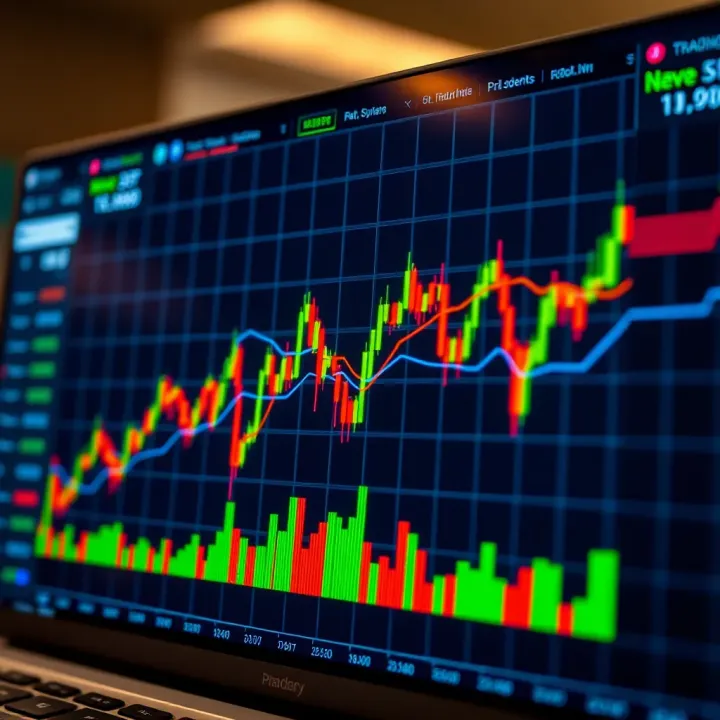
📊 Learn to read trade charts and spot patterns! This guide helps Pakistani traders grasp chart types, indicators, and market trends to trade smarter.
Based on 11 reviews