
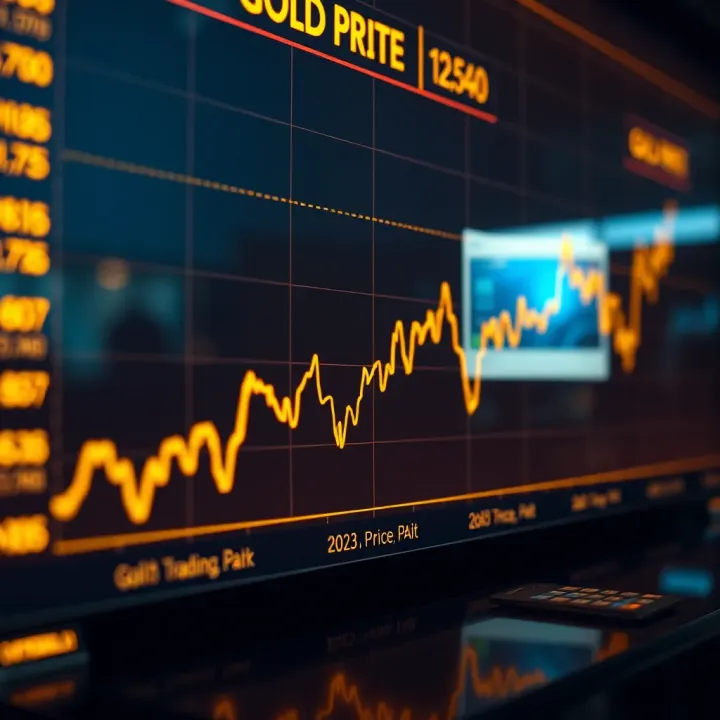
Gold Rate Forecast in Pakistan: Trends and Outlook
💰 Discover gold rate trends in Pakistan, key local and global influences, government policies, and expert forecasts to help investors make informed decisions. 📈
Edited By
Oliver Bennett
Gold prices in Pakistan are highly sensitive to various factors, both local and international. Understanding these can help investors and traders anticipate short-term trends and make smarter decisions. Currently, the market shows signs of volatility due to changes in the Pakistani rupee's value against the US dollar, regional geopolitical shifts, and fluctuations in global gold rates.
The Pakistani rupee's depreciation often pushes gold prices up, as traders seek a safer asset amid currency uncertainty. For instance, when the rupee weakened to around Rs 290 against the dollar recently, gold rates in Karachi and Lahore saw a noticeable jump of Rs 300 to Rs 500 per tola overnight. Such moves are quite typical for Pakistan's market.
On the international front, gold prices respond to changes in the US dollar index, inflation data from global economies, and geopolitical tensions. When global inflation rises or financial markets become jittery, gold tends to attract more investment due to its reputation as a hedge.
Investors should also keep an eye on jewellery demand during festive seasons like Eid, which temporarily boosts gold consumption within Pakistan, causing short spikes in price.
Currency fluctuations: The rupee-dollar exchange rate remains the biggest driver locally.
Global gold price trends: US Fed decisions, inflation numbers, and geopolitical risks.
Domestic demand: Seasonal jewellery buying, wedding seasons, and investment patterns.
Government policies: Duties, regulatory changes, and import restrictions can shift prices.
For traders and analysts, monitoring these elements daily is essential. Use exchange rate feeds alongside international commodity updates to stay ahead.
To conclude, expect some upward pressure on gold rates if the rupee continues weakening or if global markets grow uncertain. Still, quick reversals can occur if the State Bank of Pakistan (SBP) intervenes or if inflation data calms investor nerves. Investors looking to buy or sell should balance these factors and avoid panic-driven moves.
This section sets the stage for a deeper look at detailed forecasts and actionable advice in the sections that follow.
Understanding the current gold price situation in Pakistan is essential for anyone involved in trading, investing, or analysing the market. Gold has long been seen as a safe haven asset here, often reflecting wider economic conditions such as currency fluctuations and international trends. For investors and brokers, staying updated on local price movements helps in timing purchases or sales more effectively.
Gold rates in Pakistan have shown noticeable fluctuations over the past few weeks. For instance, in early April 2024, the price of 24-carat gold hovered around Rs 290,000 per tola but saw a jump to roughly Rs 295,000 within days, driven largely by currency swings and global inflation concerns. Such short-term volatility is typical, but being aware of these movements helps traders anticipate possible dips or surges and make informed decisions.
Local factors such as increased jewellery demand during wedding seasons or major festivals, like Eid, also push prices up locally. On the other hand, months of heavy imports or government adjustments on levies can cool down demand, affecting rates.
When compared with regional markets such as India and the UAE, Pakistan’s gold prices usually parallel but may differ due to import duties and currency differences. For example, India saw gold prices around Rs 5,10,000 per 10 grams in similar periods, somewhat higher due to GST and local taxes.
Internationally, gold is priced in US dollars and influenced by factors such as the US Federal Reserve's monetary policies and geopolitical tension. The international benchmark provides a baseline, but the Pakistani rupee's exchange rate has a huge local impact. A depreciation in the rupee generally makes imported gold costlier, pushing local prices up even if the international gold price remains stable.
For traders in Pakistan, comparing local gold prices against the global benchmarks alongside analysing rupee trends offers a clearer view of upcoming price movements.
Understanding these elements jointly helps market players predict how gold rates might shift in the coming days, enabling smarter trade timing and investment planning.
Understanding what drives gold prices is vital, especially if you're trading or investing in Pakistan’s gold market. Several factors come together and affect the rates, and keeping an eye on these can help you predict potential price shifts more accurately.
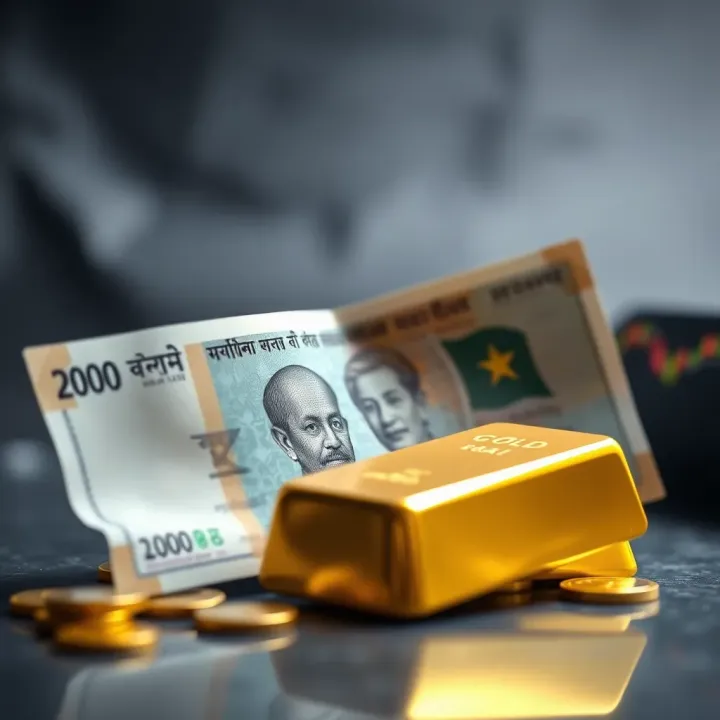
The Pakistani rupee's value plays a big role in local gold pricing. Since gold is imported mainly in US dollars, when the rupee weakens against the dollar, gold prices tend to rise in Pakistan. For instance, if the rupee falls from Rs 280 to Rs 290 per dollar, importing gold becomes costlier, pushing retail rates upward. Traders often watch rupee trends closely because even minor fluctuations can impact profit margins and investment timing.
The US dollar’s strength is inversely related to gold rates globally. When the dollar gains strength due to factors like Federal Reserve interest rate hikes, gold prices usually drop. This happens because investors find dollar-denominated assets more attractive compared to gold. In Pakistan, this effect is visible as higher dollar rates increase the rupee’s pressure and influence local gold pricing.
Gold traditionally acts as a hedge against inflation. When inflation rises internationally, especially in large economies like the US or the Eurozone, gold demand often surges as investors look to protect their assets. For Pakistan, higher global inflation can increase import costs, adding pressure on gold prices. For example, recent inflation spikes following supply chain issues have nudged gold prices higher worldwide.
Tensions in regions such as the Middle East or trade disputes between powerful nations cause uncertainty. This risk prompts investors to move into safe-haven assets like gold, boosting its price. Pakistan’s gold market also reacts to such geopolitical events since they impact global trade and currency stability, influencing demand and supply dynamics locally.
Gold jewellery holds cultural significance in Pakistan, especially during wedding seasons and festivals like Eid. Demand spikes during these times directly influence gold rates. Moreover, investment demand from individuals viewing gold as a safe asset during economic uncertainty also affects prices. For example, a surge in buyers ahead of Eid can push local rates up even if global prices remain stable.
Government-imposed import duties and taxes can alter the supply side economics significantly. An increase in customs duties makes importing gold costlier, which translates into higher retail prices. Pakistan recently adjusted import taxes to balance foreign exchange reserves, impacting buyers and sellers in the market. Keeping abreast of these policy changes is essential because they can change gold rates overnight.
Monitoring these factors gives traders and investors a clearer picture of where gold prices in Pakistan might head in the near term. Ignoring even one element can lead to missed opportunities or avoidable losses.
Understanding predicted gold price trends in Pakistan over the coming days offers practical advantages for traders, investors, and analysts alike. Since gold serves both as a store of value and investment, knowing how prices might move helps in crafting timely decisions. Price forecasts align with current economic indicators, currency shifts, and geopolitical developments to provide a more accurate picture of market behaviour.
In the short term, gold prices in Pakistan are expected to show moderate fluctuations rather than sharp rises or falls. Given the ongoing volatility of the Pakistani rupee against the US dollar, prices tend to respond quickly. For example, a 1% depreciation in rupee value usually translates to a proportional increase in local gold rates. If the rupee weakens further due to foreign exchange shortages, gold rates could edge up by Rs 500-1,000 per tola within days.
Besides currency pressures, recent global inflation figures indicate that gold might retain its appeal as an inflation hedge, supporting demand. However, with the State Bank of Pakistan (SBP) signalling a potential interest rate hike to manage inflation by the end of the month, this could cool down short-term price enthusiasm. Investors should watch for RBI and Federal Reserve policy updates, as these central banks' moves impact gold prices worldwide.
Several factors could provoke sudden swings in Pakistan’s gold rates shortly. One is unexpected geopolitical tensions in the Middle East or South Asia, which often drive investors towards gold as a safe haven, pushing prices higher quickly. Secondly, a sharp rupee recovery, perhaps spurred by new foreign investments or remittance inflows during festive periods like Eid, may ease gold rates down.
Additionally, changes in import duties or sudden regulatory announcements by the Federal Board of Revenue (FBR) can impact supply costs and subsequently retail prices. For instance, if customs duties on gold imports increase without notice, dealers may pass those costs to buyers promptly.
Monitoring everyday developments, including forex rates and policy announcements, can help investors anticipate volatility and adjust their buying or selling strategies accordingly.
In summary, short-term gold prices in Pakistan will hinge heavily on currency movements, global economic signals, and local regulatory changes. Staying alert to these factors equips investors and traders to respond better and secure gains or minimise losses in a fast-changing market.
Making smart decisions about gold trading right now hinges on understanding current market movements and the factors driving prices. Given the recent shifts in gold rates influenced by fluctuating Pakistani rupee values and global uncertainties, buyers and sellers need to plan carefully. Acting without a strategy might lead to losses or missed opportunities.
Before investing in gold, assess the timing carefully. For example, if the rupee is weakening sharply against the dollar, gold prices generally rise in local terms. Investors expecting continued rupee depreciation might consider buying soon to safeguard wealth. On the other hand, if the rupee stabilises or strengthens, gold rates may drop slightly, making it a better option for buyers to wait.
Demand trends matter too. Ahead of Eid and wedding seasons, jewellery demand surges, often pushing prices up. Those buying gold for jewellery or gifting purposes should factor in these seasonal peaks. Moreover, import duties and taxes recently announced by the government can affect gold prices unpredictably, so staying updated on official notifications is crucial.
Meanwhile, for sellers, watching international gold prices alongside local demand is key. Sudden geopolitical tensions or inflation spikes globally can push gold prices upwards, giving sellers a chance to secure better rates. If the market looks volatile, locking in profits early might be wiser than waiting.
Dealing with gold’s price swings requires some careful planning. One effective approach is diversifying your gold holdings. Instead of buying all in one go, spread purchases across several weeks. This averaging method reduces the risk of buying at peak prices.
Also, consider setting price alerts through financial platforms or mobile apps so that you act promptly when gold hits your preferred price points. This helps avoid impulsive decisions during sudden price jumps.
Physical storage is another factor. Proper secure lockers with authorised banks or specialised vaults protect your investment against theft and losses. For those unfamiliar with storing physical gold safely, digital gold investment platforms might be an option, enabling easier buying and selling without physical handling.
Ultimately, buying or selling gold now demands close attention to currency trends, seasonal demand, and global economic signals. Planning purchases and sales with measured timing and protective strategies can help you navigate the ups and downs confidently.
With smart decisions based on current trends, traders and investors can minimise risks and potentially enhance returns from the Pakistani gold market.
Navigating the gold market today demands careful attention and updated knowledge. With fluctuating rates driven by both local currency shifts and global economic changes, making informed decisions is key for investors, traders, and analysts alike. This conclusion aims to clearly summarise the main points covered in this article and offer a forward-looking perspective tailored for the Pakistani context.
To summarise, gold prices in Pakistan currently reflect a mix of international factors and local realities. The Pakistani rupee’s value against the US dollar shows significant influence on pricing, especially as imports of gold respond directly to exchange rate changes. Meanwhile, global economic indicators such as inflation trends and geopolitical tensions keep international gold prices volatile, affecting local markets indirectly. Domestic demand for jewellery and investment purposes adds another layer, with customers often reacting quickly to price swings. Also, import duties and taxes play a role in setting the floor for prices, sometimes creating discrepancies with international rates.
By understanding these drivers—currency fluctuations, global economic signals, and demand-supply dynamics—readers can anticipate short-term movements better. For example, if the rupee weakens amid rising global inflation, chances are gold rates in Pakistan will edge upward. Conversely, easing geopolitical strains might cool the market.
Looking further ahead, gold’s position in Pakistan remains positive, primarily due to cultural and economic factors. Gold is traditionally seen as a safe haven for preserving wealth, especially during times when the Pakistani rupee weakens or stock markets show unpredictability. This means demand will likely stay resilient.
That said, evolving monetary policies by the State Bank of Pakistan (SBP), potential shifts in import regulations, and global monetary tightening could add new dimensions to price behaviour. Investors should watch SBP announcements carefully, as changes in interest rates impact currency stability and, consequently, gold pricing.
Besides, technological advances in trading platforms like Daraz and mobile payment systems (JazzCash, Easypaisa) are making gold investment easier for many Pakistanis. Such accessibility may increase market participation, potentially enhancing price liquidity.
Investing in gold today requires balancing awareness of international trends with local economic signals—keeping an eye on the rupee’s health, global inflation, and domestic demand ensures wiser choices.
💰 Discover gold rate trends in Pakistan, key local and global influences, government policies, and expert forecasts to help investors make informed decisions. 📈
📈 Discover what drives tomorrow's gold rate in Pakistan, from market trends to local demand. Stay ahead with practical tips for buyers & investors!
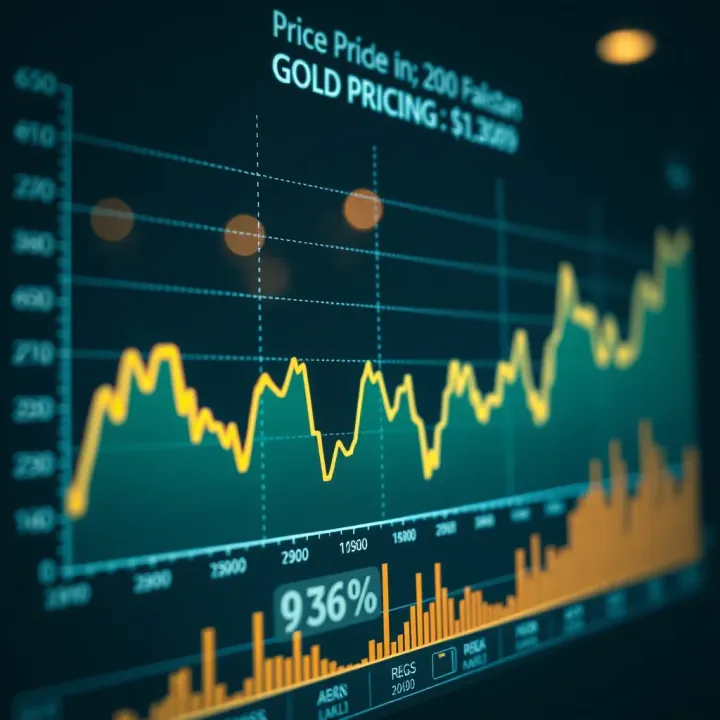
💰 Explore how gold rates in Pakistan are set, what drives their shifts, and practical buying tips to help you invest smartly in the gold market.
📈Explore today's gold trading trends and key insights for Pakistani investors. Understand price drivers, global influences, and tips to trade gold wisely in Pakistan's market.
Based on 14 reviews