
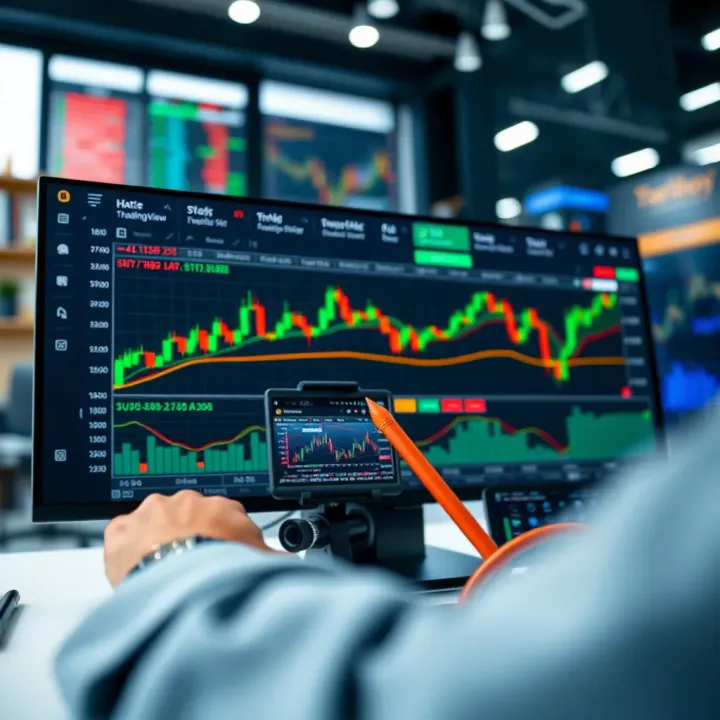
TradingView Guide for Traders in Pakistan
🔍 Explore TradingView's powerful tools and social features tailored for Pakistani traders. Learn setup, analysis, idea sharing, and mobile tips! 📈📱
Edited By
Sophie Mitchell
The world of trading has become more accessible than ever, and platforms like TradingView.com play a massive role in that transformation. For traders in Pakistan, knowing how to effectively use such tools isn't just a nice-to-have; it can be a real game changer in navigating both local and international markets.
TradingView.com offers a blend of advanced charting capabilities, real-time data, and a thriving community that can make trading decisions clearer and more informed. But with so many features packed in, beginners might find it a bit overwhelming, while seasoned traders can dig deeper to sharpen their strategies.
This article is designed to break down everything Pakistani traders need to know about TradingView.com—from setting up an account and getting comfortable with the basics, to exploring advanced tools and engaging with fellow traders. We’ll touch on local market specifics and unpack how you can best take advantage of this platform.
Whether you're trading stocks on the Pakistan Stock Exchange or dabbling in forex and crypto markets, understanding your tools well affects not only your profits but how confident you feel when the markets toss curveballs.
In the following sections, we'll walk through actionable steps and insider tips to get the most from TradingView.com, making it easier for traders of all levels in Pakistan to succeed.
Understanding TradingView.com is a solid first step for Pakistani traders aiming to expand their trading toolkit. This platform acts as more than just a charting service; it’s a hub for real-time market data, powerful analysis tools, and community insights. By starting here, traders get a grasp on why TradingView stands out, and how it can fit within their existing strategies and workflows.
Grasping the basics ensures that you’re not just clicking around aimlessly but actually using the platform to improve your timing, analysis accuracy, and decision-making. For example, instead of juggling multiple websites or software for stock quotes and charts, TradingView bundles everything in one place—saving time and reducing chances of missing critical moves in local Pakistani markets or even global exchanges.
At its core, TradingView is an online charting platform tailored for traders and investors worldwide. It offers interactive charts, live market data, and a comprehensive suite of analysis tools without heavy software installation or costs upfront. For Pakistani users, it translates to easy access to markets like the Pakistan Stock Exchange (PSX), alongside a wide array of international stocks, forex, and cryptocurrencies all reachable from a single dashboard.
The platform operates on a cloud-based model, which means updates happen automatically, and traders can switch devices seamlessly without losing their settings. That’s a game changer when you’re hopping between a desktop at home and a smartphone on the go. Plus, its built-in scripting language, Pine Script, gives users the ability to customize indicators, offering a personalized approach to technical analysis.
TradingView is designed with a wide range of traders in mind—from newbies taking their first steps in the market to seasoned pros hunting for advanced charting features or custom alerts. For the Pakistani trader, especially, the platform appeals because it bridges the gap between emerging market needs and sophisticated tools found mostly in pricey software.
The community aspect brings in analysts and traders worldwide, which creates a space to learn from others’ ideas and validations. For example, a Karachi-based trader might follow global forex analysts to catch broader currency trends impacting the Pakistani rupee. It’s this blend of local access combined with global intelligence that makes TradingView attractive to its diverse user base.
One of TradingView’s standout features for Pakistani traders is its wide market scope. Besides providing data and charts for the PSX, it also offers access to international stock exchanges like NASDAQ, NYSE, and even frontier markets. This access means Pakistani traders aren’t limited to local trends—they can diversify their investments based on worldwide economic shifts.
For instance, if a trader notices a rising trend in tech stocks listed on US exchanges, they can quickly track live price movements alongside their local portfolio. This capability is particularly useful for those who want to hedge risks or explore opportunities beyond Pakistan’s economy.
Trading can feel overwhelming at first, but TradingView keeps things straightforward without dumbing down functionality. The interface is sleek and intuitive, with drag-and-drop charting and preset templates that newcomers can use to get started fast. At the same time, experts have no shortage of advanced tools at their fingertips—from custom scripting to multi-chart setups.
For example, a beginner can pick a candlestick chart, add a moving average, and set an alert on PSX volume changes within minutes. Meanwhile, an experienced trader can automate strategy testing or create layered indicators, all within the same ecosystem. This balance between ease of use and depth helps keep learning curves manageable while supporting professional workflows.
Choosing TradingView isn’t just about fancy charts; it’s about having a versatile platform that grows with your trading skills and ambitions.
In short, TradingView.com presents a tailored solution for Pakistani traders looking to improve their market insights, simplify their trading process, and connect with a global community—all without breaking the bank or struggling with complicated software.
Setting up and managing your account on TradingView is your first real step toward tapping into a massive world of trading opportunities. For Pakistani traders, this isn't just about having access to charts and prices; it's about creating a customized experience that fits your trading style and goals. Your account acts like a personalized dashboard, where you can save watchlists, set alerts, and utilize tools that help you make smarter trades.
Right off the bat, when you sign up, TradingView offers both free and paid plans. The free plan gives you basic access, including limited charts and the ability to set a few alerts. This is a good starting point if you're testing the waters or trading casually. However, the paid plans—Pro, Pro+, and Premium—offer more features like multiple chart layouts, unlimited alerts, and access to advanced tools.
For instance, if you're actively trading PSX stocks and want real-time alerts on movement, the paid plans can be a game changer. On the other hand, if you only check charts a couple of times a day, the free tier might be enough. The key is understanding your trading style and how much you rely on platform features.
When choosing the right subscription, consider factors like how many devices you'll use TradingView on and whether you need simultaneous chart layouts. For example, a swing trader in Karachi juggling foreign currencies and PSX stocks might benefit from Pro+ to monitor multiple charts at once. Keep in mind that upgrading your subscription is easy, so you can start simple and expand features as your needs grow.
Once you've got your account, the next step is tailoring notifications to fit your routine. Instead of checking the platform constantly, you can set alerts for price levels or indicator signals that matter most to you—for example, an alert when the KSE-100 index crosses a key moving average. Notifications come through email or mobile push alerts, meaning you stay updated without being glued to your screen.
Choosing chart preferences is another way to make TradingView work for you. Are you a fan of candlestick charts or do you prefer bar charts? Do you trade on daily, 4-hour, or even 15-minute timeframes? You can set defaults that save you time and reduce clutter. Additionally, customizing colors and themes based on your comfort can make chart analysis easier on the eyes, especially during those long trading sessions.
Personalizing your TradingView account is like setting up your own trading cockpit — everything arranged just where you need it, ready to react quickly to market moves.
In sum, focusing on account creation and settings ensures you’re not just another trader lost in the crowd. It equips you with tailored tools and timely info, giving you an edge in both local and global markets. For Pakistani traders especially, where market timing and precise alerts can mean the difference between profit and loss, this step can’t be skipped or overlooked.
Getting a good grip on the TradingView interface is essential for any trader, especially for those in Pakistan who want to make swift, smart decisions. The interface is where all the magic happens - it pulls together market data, charting tools, and alerts in one place. Knowing how to move around the dashboard, find key features, and customize your view can save time and reduce the chances of missing out on critical market moves.
Central to navigating TradingView is understanding its dashboard layout. This platform lays out everything where traders can easily spot trends, keep track of assets, and adjust their watchlists or alerts. If you’re juggling between monitoring the Pakistan Stock Exchange and international markets, an organized dashboard can make your workflow smoother and less cluttered.
Market overview gives you a snapshot of how various markets and key assets are performing in real time. For Pakistani traders, this includes real-time tickers from the Pakistan Stock Exchange, alongside global indices like the S&P 500 or Nikkei. The overview panel lets you quickly scan for major movers or laggards without diving into individual charts immediately. This quick-glance information is invaluable during volatile sessions — you might spot an unusual price spike or dip and decide to dig deeper or set an alert.
In practice, your dashboard could highlight an unexpected surge in Engro Corporation shares or a significant move in USD/PKR forex rates. This overview empowers you to act promptly, not having to waste time searching for these details manually.
Watchlists and alerts are the bread and butter of everyday trading. A watchlist lets you keep all your favorite securities in one place, whether it’s PSX stocks, major forex pairs like EUR/USD, or cryptocurrencies like Bitcoin. You can customize multiple watchlists for different trading themes or strategies — for example, one list for growth stocks and another for speculative cryptocurrencies.
Alerts take it a step further, notifying you via app notifications or emails when prices hit specific levels, or when indicators signal a potential trade. This is especially helpful for Pakistani traders who might not stare at their screens all day. Suppose you want to know when the cement sector index crosses a resistance level — a price alert will do the heavy lifting for you.
Chart types and time frames on TradingView are flexible enough to fit any trading style. You can pick from candlestick, bar, line, or even Heikin Ashi charts, each giving a different perspective on price movement. For example, candlesticks offer detailed info on daily price action while Heikin Ashi smooths out noise, great for spotting trends clearly.
Time frames range from one-minute to monthly charts. Day traders in Karachi might rely heavily on 5-minute or 15-minute charts to catch intraday opportunities on PSX stocks. Swing traders, meanwhile, may focus more on daily or weekly time frames to gauge broader trends. Switching between time frames is seamless, allowing quick shifts in strategy without hassle.
Drawing tools basics let traders annotate charts with trendlines, support and resistance levels, Fibonacci retracements, and more. These tools help to visually map price patterns. For example, a trader spotting a descending triangle pattern on Lucky Cement’s stock chart can use drawing tools to mark trendlines and project potential breakout points.
Learning to use these tools effectively can increase your confidence in interpreting market signals. Even beginners will find that a few labeled lines and markers on a chart can clarify complex price movements and assist in making better-informed trading calls.
Having a firm command over TradingView’s interface means you’re less likely to miss key moves and more equipped to handle the fast pace of financial markets. The dashboard, watchlists, alerts, and charting tools all come together to support your trading decisions.
By mastering these basics, Pakistani traders set a strong foundation to explore more advanced features without feeling overwhelmed. Ultimately, your trading success often depends on how well you organize info and react, and that all starts with understanding the interface.
TradingView’s advanced charting tools are a goldmine for traders who don’t want to just guess and hope but want to dive a bit deeper into market behavior. For Pakistani traders, these tools open up a way to analyze stocks on the Pakistan Stock Exchange (PSX) more precisely as well as international markets. Instead of just looking at price movements, you get to use powerful indicators, overlays, and customization options to craft your own trading edge.
This section breaks down why these tools matter, how to use the popular technical indicators tailored to Pakistani markets, and how customizing those indicators can boost your trading insights. We’ll also explore the Pine Script coding environment, so users can create or tweak their own indicators, making TradingView a truly personal and dynamic platform.
Popular indicators for Pakistani markets are vital for understanding market trends amid the unique economic and business cycles in Pakistan. Tools like the Relative Strength Index (RSI) help you gauge whether a stock like HBL or Engro Fertilizers is overbought or oversold, indicating potential reversal points. Moving Averages (MA), particularly the 50-day and 200-day, are frequently used to spot trend directions and support/resistance levels in PSX trading.
Bollinger Bands provide insight into volatility, showing when stocks such as Oil & Gas Development Company are experiencing unusual price swings. These indicators aren’t just fancy charts; they help you avoid walking into traps during volatile Pakistani market days or global economic news breaks.
Customizing indicator settings lets you tailor these tools to fit your exact trading style and the asset’s behavior. For example, adjusting the RSI period from the default 14 to 7 might help you react faster for short-term trades in the fast-moving Pakistan Forex pairs like USD/PKR. Similarly, tweaking Moving Average lengths can fine-tune your entry and exit signals to match local market rhythms.
TradingView’s easy interface allows users to change colors, line thickness, and alert triggers on indicators—so your charts can stand out with your personalized signals rather than the default, cluttered view. By experimenting with these settings, a trader can better sync the indicators to Pakistan’s market nuances, improving decision-making accuracy.
The Introduction to Pine Script is where TradingView really sets itself apart from traditional charting sites. Pine Script is an easy-to-learn programming language that lets you write your own indicators, signals, or even complex trading algorithms. If you’re like many Pakistani traders who want to go beyond standard setups, Pine Script gives you creative freedom to explore strategies tailored to local market conditions.
Imagine you want an alert every time the PSX’s KSE-100 index crosses its 50-day moving average but only during market hours on weekdays. You can script this condition and get notified automatically—no need to stare at the screen all day.
Implementing custom indicators means you’re not limited to what comes out of the box. You could, for instance, combine volume spikes with RSI levels to define an entry signal specific to steel sector stocks or cement companies on PSX. Some Pakistani traders develop scripts shared within the TradingView community, enhancing collaboration and spreading knowledge.
Practical steps involve starting with existing scripts available on TradingView’s public library and modifying them slightly for your preferences or writing new ones from scratch with the Pine Editor. It’s like having your own toolkit to adapt easily as market conditions change, which is especially useful for forex and crypto markets that Pakistani traders often follow alongside stocks.
By mastering TradingView’s advanced charting tools, you’re not just watching the market—you’re decoding its language in a way that fits your unique trading goals and the nuances of Pakistan’s financial environment.
In short, these advanced tools bring clarity and control, letting you go from a casual glance at charts to making informed, timely trades that could improve your bottom line.
One of the biggest advantages of TradingView for Pakistani traders is its ability to provide deep insights into multiple financial markets—all from one place. Understanding different markets not only broadens your investment options but also helps you diversify risk. For instance, while local stock markets might offer promising growth, foreign exchange or crypto might behave differently due to unique global triggers. This diversity lets traders capitalize on varied opportunities, especially during times when one market is choppy.
TradingView offers reliable access to Pakistan Stock Exchange data, presenting stock prices, volumes, and historical charts. This lets traders easily wake up with the latest on KSE-100, PSX indices, or even individual stocks like Habib Bank or Engro. Monitoring PSX data on TradingView lets traders spot trends or sudden price moves, helping them react quickly and avoid missing out.
For practical use, you can set watchlists specifically tailored to PSX stocks, then apply TradingView’s technical indicators to analyze price movements. For example, using moving averages on PSX data can highlight support levels that many traders might miss without sophisticated tools.

TradingView’s multi-market support allows Pakistani traders to easily compare PSX performance against major exchanges like NYSE or Nasdaq. By tracking international indices alongside PSX, traders gain a clearer picture of how global events influence local markets.
This comparison is crucial for spoting correlations or divergences. For example, if US tech stocks slump due to regulatory concerns, Pakistani tech stocks might follow or behave independently depending on local market sentiment and fundamentals. Awareness of these patterns helps traders refine their entries or exits.
For Pakistani traders interested in forex, TradingView covers a wide range of currency pairs, including popular ones like USD/PKR, EUR/USD, and GBP/PKR. Access to USD/PKR is particularly relevant as it directly impacts import-export businesses and remittances.
TradingView lets you monitor these pairs with live charts and extensive technical tools. For example, setting alerts on USD/PKR volatility can be handy when political or economic news in Pakistan affects the exchange rate overnight.
Cryptocurrency trading remains a growing interest in Pakistan, despite regulatory uncertainties. TradingView offers charts and market data on leading cryptocurrencies like Bitcoin, Ethereum, and local exchanges’ tokens. It also supports analyzing altcoins and decentralized finance (DeFi) projects, enabling traders to identify trends early.
By tracking crypto trends on TradingView, traders can combine traditional technical analysis with news from crypto communities to make informed decisions—even if they’re just dabbling in this fast-paced market. For instance, watching BTC/USD charts alongside sentiment analysis can clue a trader in before a big move.
With TradingView, Pakistani traders gain a valuable edge by viewing multiple financial markets through one lens, improving their ability to react quickly and customise their strategies per market conditions.
This broad market analysis capability is especially helpful in Pakistan, where economic factors can affect local and global markets differently. By leveraging TradingView’s detailed and accessible data, traders can navigate complex market environments with greater confidence and clarity.
Setting up alerts on TradingView is like having a reliable trading assistant who's always keeping an eye on the market for you. For Pakistani traders juggling multiple markets or busy schedules, these alerts can be game-changers—they keep you in the loop without staring at screens all day. Whether you're tracking price shifts in PSX stocks or catching crypto swings, knowing how to set and manage alerts can make your trading smarter and faster.
Price alerts notify you when an asset hits a certain price level you’ve set. Think of it as setting a watchdog—when the price breaches your target, you get an instant heads-up. For example, if you’re waiting for Pakistan Telecommunication Company Limited (PTCL) stock to drop to a specific level before buying, setting a price alert means you won’t miss that moment even if you’re offline.
These alerts are easy to customize with TradingView. You just pick the asset, mark your target price, and select whether you want to be warned when the price goes above, below, or simply reaches the level exactly. This flexibility helps Pakistani traders respond faster to market changes without constant monitoring.
Indicator alerts work with technical tools like moving averages, RSI, or MACD. Instead of just price, you get notified when these indicators hit certain thresholds or show specific signals. For instance, if you're tracking the RSI of a forex pair like USD/PKR and want to know when it crosses into overbought territory, an indicator alert can ping you the moment that happens.
This is particularly useful for traders who rely on technical analysis since it automates watching complex charts. You won't have to refresh charts repeatedly; instead, you’ll get timely alerts to help you decide when to enter or exit a trade.
When you set multiple alerts, things can get messy fast. TradingView allows you to organize your alerts by naming them clearly, grouping them based on your trading strategy or markets, and even turning them on or off without deleting. For Pakistani traders dealing with PSX stocks alongside international markets, this keeps your alerts orderly and meaningful.
For example, you could have a group for high-priority alerts on major local stocks and another for speculative crypto alerts. This way, you avoid alert fatigue and stay focused on what truly matters.
TradingView can send alerts via email, SMS, and even push notifications to your phone or tablet. This means that whether you're commuting in Karachi or having tea in Lahore, you won’t miss critical market moves. Setting up notifications on multiple devices ensures you're reachable where it counts.
To make the most of this, check your device settings to allow notifications from the TradingView app, and test alerts beforehand. Especially in Pakistan, where network conditions can vary, having redundant notification channels can save you from missing important signals.
Alerts are only as useful as the way you manage and respond to them. Setting precise criteria and organizing notifications effectively makes sure you're reacting to opportunities, not just noise.
By mastering alert setup and management on TradingView, Pakistani traders can save time, reduce stress, and react swiftly to the markets they follow most closely.
One of the standout strengths of TradingView.com is its community features, which can be a real game-changer for Pakistani traders. These features turn what could be a solo trading experience into a dynamic exchange of ideas and strategies. Connecting with other traders not only boosts knowledge but also sharpens your trading muscle by exposing you to different viewpoints and analyses.
How to find experts: Finding reliable traders and analysts to follow on TradingView is easier than you might think. Start by searching for users with active portfolios and a strong track record of accurate calls, particularly those who focus on Pakistani markets like the PSX or emerging forex pairs relevant to Pakistan. Look for profiles that have consistent updates and transparent trading strategies. You can gauge expertise by checking community feedback, likes, and comments on their published ideas.
Following these experts allows you to tap into their research without reinventing the wheel. For example, if a trader consistently spots key resistance levels on KSE-100 stocks, following them means you get timely insights that can feed into your own trading plan.
Engaging with published ideas: Reading others' published trade ideas isn’t just about absorbing information—it's an interactive process. When you engage by commenting or asking clarifying questions, you deepen your understanding and invite constructive discussions. This interaction helps verify signals or spot potential flaws, sharpening your critical trading instincts.
Moreover, examining different takes on the same asset or market condition can highlight nuances you might have missed. Pakistani traders often benefit from this by catching local market quirks and sentiment that international analysts might overlook. So don't just scroll; take the time to actively engage with posts.
Joining groups: TradingView groups can be treasure troves, especially for traders looking to exchange local market insights or specialized knowledge, like commodities trading relevant to Pakistan or emerging sectors such as technology startups listed on PSX. Joining groups focused on your interests connects you with like-minded traders who often share news, analysis, and tips.
These groups act like mini trading rooms. For example, a group dedicated to Pakistani forex trading will routinely discuss factors like the PKR's movement against the USD, making it easier to stay updated and adjust your strategies on the fly.
Sharing analysis and feedback: Don’t hold back your own analysis either. Sharing your thoughts—even if you're still learning—can lead to valuable feedback. Other traders might correct or validate your approach, helping you improve faster than working alone.
Providing clear, detailed feedback on others’ ideas contributes to a supportive community atmosphere, encouraging open discussion rather than blind acceptance. This continuous exchange of perspectives enriches everyone's trading toolbox, making it a collective effort.
Collaboration and discussion in TradingView’s community can often save you from costly mistakes, offering perspectives that you might miss when trading solo.
Utilizing these community features wisely turns TradingView from just a charting tool into a full-fledged trading platform enriched by collective wisdom—something especially valuable for Pakistani traders navigating both local and international markets.
Integrating TradingView with brokers and trading platforms is a game changer for traders, especially in Pakistan where the market dynamics demand quick and informed decisions. This integration allows traders to go beyond just analysing charts and indicators – they can execute trades instantly, all within one interface. The convenience and speed added to the trading workflow can help capture market moves as they happen, which is critical for day traders and scalpers.
The relevance of this connection lies in creating a seamless bridge between analysis and action. For Pakistani traders accessing both local markets like the Pakistan Stock Exchange (PSX) and international ones, having an integrated setup means less switching between apps and platforms. It reduces errors, saves time, and improves overall efficiency.
To start trading directly from TradingView, you need to link your brokerage account with the platform. This connection involves entering your broker credentials and authorizing TradingView to access your account for trade execution and monitoring. For Pakistani traders, brokers that support integration with TradingView include internationally recognized names such as Interactive Brokers and local players who have enabled APIs for smoother connectivity.
Once connected, your TradingView dashboard can pull your portfolio data, balances, and orders, giving you a real-time snapshot of your trading status. This setup eliminates the hassle of logging into multiple platforms and ensures you react swiftly to market signals.
Broker integration on TradingView offers several practical benefits:
Speedy execution: No more copy-pasting orders or juggling windows. You can place orders directly on TradingView, cutting down delays.
Centralized monitoring: Keep tabs on your positions and P&L without juggling between your broker's site and charting platform.
Risk management: Set stop-losses and take-profits efficiently with instant order entry linked to your broker.
Improved accuracy: Reduced chance of order entry errors thanks to a unified interface.
For example, a Pakistani forex trader using IC Markets linked with TradingView can spot entry opportunities on the platform and execute trades without flipping pages, helping catch the momentum without delay.
When you decide to execute a trade via TradingView, the platform sends your order through to the connected broker almost instantly. You select the asset, specify order type (market, limit, stop, etc.), quantity, and submit. Behind the scenes, TradingView passes these instructions through broker APIs for smooth trade processing.
It's essential to double-check order details before submitting, as rapid execution can also amplify mistakes. However, the process is intuitive and designed to mimic the ease of common trading apps but with the advantage of integrated analysis tools side-by-side.
Once trades are live, TradingView keeps a clear track of your open positions within the platform. This includes showing real-time profit and loss, entry prices, and allowing quick adjustments. Pakistani traders can watch how their PSX shares or forex positions are performing while still analyzing potential next moves on charts.
Having this level of transparency directly in TradingView means you're less likely to miss critical market moves. Alerts can also notify you when your open positions hit certain levels, keeping you in the loop without constant screen-watching.
Integrating your broker with TradingView is more than a convenience; it's about gaining an edge by uniting analysis and execution in one place. For Pakistani traders, this means staying competitive in fast-moving markets with ease and confidence.
By embracing broker integration and direct trading from TradingView, traders streamline their workflow, minimize errors, and focus more on strategy than on juggling platforms. It's a step closer to professional, efficient trading that matches today’s pace and demands.
In today’s fast-paced trading environment, having access to your trading platform on the move is more than just a convenience – it’s often a necessity. For Pakistani traders, who may frequently be on the go or away from desktop setups, TradingView’s mobile experience ensures that critical market insights and trading actions don’t get held up. The mobile app condenses powerful desktop features into a smaller package without sacrificing usability or responsiveness.
TradingView’s mobile platform is more than a scaled-down version; it’s designed to keep traders connected with markets through an intuitive interface and real-time data, enabling instant decisions whether commuting in Karachi or catching a break in Lahore.
One standout feature is the ability to access complex, interactive charts right from your smartphone or tablet. Imagine you're monitoring the Pakistan Stock Exchange (PSX) during a lunch break—rather than waiting to get home, you can check candlestick patterns, identify support and resistance levels, and apply technical indicators wherever you are.
The mobile app supports multiple chart types like line, bar, and candlestick styles, alongside time frames ranging from minutes to months. This flexibility means whether you want a quick snapshot or detailed analysis, you’ve got it handy. Plus, drawing tools like trendlines and Fibonacci retracements work smoothly with touch gestures, making technical study accessible outside the traditional office setup.
Staying ahead in trading often depends on timely reactions. TradingView’s mobile app pushes real-time alerts directly to your device based on price movements, indicator crosses, or custom triggers you've set. For example, if you’ve set an alert for when the KSE-100 index crosses a certain threshold, you’ll get an instant notification, letting you act before opportunities close.
These alerts aren’t just limited to price; you can also get notified on trendline breaks or volume spikes. This hands-free monitoring helps traders avoid constantly refreshing charts, saving time and reducing stress while keeping them ready to jump in when it matters.
Mobile screens are smaller, but TradingView lets you customize your view to maximize screen real estate. You can save different chart layouts tailored for quick checks or deep dives—switching between comparison charts, multiple timeframes, or your favorite indicators with just a tap.
For instance, setting a layout with the PSX charts alongside a forex pair you trade can streamline your day without fiddling with menus. These presets save precious seconds and avoid confusion, especially during volatile market conditions.
In Pakistan, data plans vary widely, and some traders might deal with limited bandwidth or costly mobile internet. TradingView’s app has options to optimize data consumption—like disabling automatic chart updates or lowering chart quality to reduce load.
Turning off unnecessary visual effects or choosing to sync only specific watchlists helps keep things light. This way, traders avoid eating through their data plan while staying connected, which is crucial for those who rely heavily on mobile trading.
Trading on mobile doesn’t mean compromising on accuracy or speed. With the right setup, TradingView on smartphones and tablets keeps you in the loop and ready to act fast, wherever you are.
To wrap up, Pakistani traders will find TradingView’s mobile experience essential for adapting to busy lifestyles and fast markets. Quick, efficient charting and alerts combined with thoughtful data management strategies can make all the difference in daily trading success.
When it comes to trading online, especially in a growing market like Pakistan's, data privacy and security are not just buzzwords but essential shields protecting traders’ sensitive information. TradingView users, whether beginners or seasoned analysts, need assurance that their data and account activities stay safe from prying eyes or malicious attacks. This section sheds light on how TradingView handles these concerns and what Pakistani traders can do to safeguard their profiles.
Two-factor authentication (2FA) is like a double lock on your account door. Instead of relying only on a password, 2FA requires a second form of verification, often a code sent to your phone or generated by an app like Google Authenticator. This extra step thwarts most hackers trying to sneak into your account with stolen credentials. For example, if someone guesses your password, they still can't get in without your phone. Pakistani traders should definitely turn on 2FA; TradingView makes it easy to set up from your account security settings. This small act boosts security and gives you peace of mind, especially when managing multiple portfolios or executing trades.
TradingView also offers several privacy settings that give users control over what others see about their trading activities. You can decide who views your published ideas, chat messages, and profile details. For instance, if you prefer to keep your analysis private or share only with a trusted circle, adjusting these settings is key. It’s practical for Pakistani traders who might want to balance learning from the community while maintaining confidentiality. These settings are easy to navigate and change anytime, helping you tailor your experience without worrying about unwanted exposure.
Knowing what data TradingView collects helps traders understand the footprint they leave on the platform. TradingView collects typical user information like email, device type, IP address, and trading preferences to enhance user experience and security. For Pakistani users, this also means awareness that geographic data might be used to serve region-specific content, like local market news or alerts. However, personal financial data, such as brokerage details, is only accessed with explicit permission, especially when accounts are linked for trading.
Importantly, TradingView provides controls that let you manage your data privacy. Users can adjust cookie settings, opt out of certain data tracking, and review permissions granted to third-party apps. This is critical because it puts you in the driver's seat rather than being a bystander. For example, if you notice excessive ads or irrelevant data usage, tweaking these controls can ease that. Pakistani traders should regularly check these settings to ensure their data isn’t being misused or shared beyond comfort.
Security takeaway: Always take a few moments to secure your TradingView account with strong passwords, enable two-factor authentication, and fine-tune your privacy controls. These simple steps keep your trading edge sharp and your personal information locked down.
In the end, understanding and applying TradingView’s privacy and security features helps Pakistani traders focus on analyzing markets and making decisions without the nagging fear of cyber threats or data leaks.
Every trader faces bumps on the road, and understanding those challenges upfront can save you time and headache. When using TradingView in Pakistan, there are certain issues that pop up frequently—mostly related to data delays and technical glitches. Knowing how to tackle these is key. Whether you're watching PSX trends or charts from global forex markets, small hitches can disrupt your strategy. This section shines a light on practical hurdles and what you can do about them, so your experience stays smooth and efficient.
One of the biggest gripes traders often have is data delays. Stocks and forex prices can shift by the second, but sometimes the info you see on TradingView lags behind actual market activity. This happens because free data feeds for certain exchanges, especially like the Pakistan Stock Exchange, often come with a 15- or 20-minute delay. Why? Exchanges restrict real-time data access unless you pay for a license or subscription. For day-traders or scalpers, this gap can mean missing the ideal buy or sell window.
To get around this, you'll want to consider upgrading your TradingView plan or look for a package that includes real-time streaming data. Paid plans like Pro or Premium unlock live pricing for many major exchanges, cutting out that frustrating wait.
If you’re trading volatile assets or need instant updates for your decisions, upgrading for real-time data is almost non-negotiable.
Also, sometimes data availability can vary for specific instruments. For example, some smaller forex pairs may not have feed support in all subscription tiers. Check TradingView’s instruments list against your plan to avoid surprises.
Upgrading isn’t just buying faster quotes. It also unlocks extra features like more indicators per chart, multiple charts on one screen, and priority support. For Pakistani traders balancing both local and international markets, this can make a big difference.
To upgrade, compare plans carefully:
Pro plan: Suitable for casual traders wanting real-time data for most popular markets.
Pro+ and Premium: These tiers provide deeper data access, more alerts, and no ads.
You can weigh the cost against your trading style. If you trade less frequently or hold long-term positions, free delayed data might suffice. But for active traders, the premium cost often pays off by reducing missed opportunities.
Like any web-based platform, TradingView isn't immune to hiccups. Sometimes charts won’t load properly or indicators seem off. Before panic sets in, a simple fix often clears the problem: clearing cache and cookies.
Your browser stores bits of site data to speed up loading, but over time this cache can become corrupted or outdated. Clearing it refreshes your session and can resolve display bugs or slow performance. Here’s a quick guide:
Go to your browser settings.
Find the privacy section.
Clear cached images and files, as well as cookies.
Reload TradingView and see if the issue persists.
Doing this regularly, maybe once a week, keeps glitches to a minimum.
If problems stick around, TradingView’s support channels come in handy. Their help center offers detailed guides on using tools and troubleshooting common errors. For persistent or complex issues, you can reach out to customer support via email or live chat (available in some plans).
Moreover, TradingView has a vibrant community forum where users share solutions and tips. Exploring these discussions often uncovers quick workarounds from people who faced the same snags.
For Pakistani traders, local broker support teams can sometimes assist with TradingView-related questions, especially if your broker integrates directly with the platform.
Remember: Don’t let minor tech troubles freeze your trading momentum. With a bit of technical housekeeping and knowing where to get help, you’ll waste less time and stay focused on your market moves.
TradingView offers a lot more than just charts and graphs. For Pakistani traders, making the most out of its features means combining it smartly with local market nuances and personal trading style. This section digs into practical tips to get real value from TradingView, so you're not just looking at data but actually turning it into smart trading moves.
Understanding the Pakistan Stock Exchange (PSX) trends is key because global markets sometimes behave differently than local ones. On TradingView, Pakistani traders can track PSX indexes and individual stocks to spot patterns over time—like how banking sector stocks typically respond to interest rate changes announced by the State Bank of Pakistan. For example, if you notice repeated year-end rallies in power generation companies, that’s a trend you can leverage.
What’s important is to not treat this as just a numbers game. Factor in local news, political climate, and economic indicators alongside the charts. TradingView’s news and social feed sections help gather relevant updates, offering context to price movements. This holistic approach helps avoid surprises, like sudden regulatory changes affecting PSX stocks.
Volume is a strong indicator of market strength. On TradingView, Pakistani traders should closely watch volume spikes in PSX stocks; these often precede or confirm price shifts. For instance, if your favorite textile stock shows a sudden increase in trading volume without major news, this might indicate institutional interest.
Alongside volume, fundamentals matter a lot—especially in emerging markets like Pakistan. TradingView allows integrating fundamental data like earnings reports, dividend announcements, and P/E ratios. Combine this with your volume analysis for better insights. For example, a company with solid earnings growth but low trading volume might be a hidden gem waiting for more market interest.
Combining volume and fundamentals gives Pakistani traders a clearer picture than relying on price action alone, helping to avoid falling for short-term hype.
One of TradingView’s underrated features is backtesting. Before committing real money, Pakistani traders can use the platform’s Pine Script editor or built-in strategy tester to simulate how a trading system would’ve performed on historical data. Let’s say you want to test a strategy based on RSI and moving averages specifically on PSX stocks; backtesting helps confirm if that combo works well under Pakistani market conditions.
This step reduces guesswork and builds confidence. Remember, markets evolve, so regular review and adjustment of backtested strategies are essential. TradingView’s flexibility in tweaking parameters and timeframes means you can adapt strategies to changing local market rhythms.
Missing the right entry or exit can hurt profits. TradingView’s alert system is a lifesaver here. Pakistani traders should set customized alerts not just on price levels but also on indicator crossovers or volume changes. For example, set an alert when the PSX KSE-100 index crosses a moving average, or an alert on a sudden volume surge in a stock you’re watching.
These alerts come via email, app notifications, or SMS (depending on your subscription), allowing you to act swiftly without constantly staring at charts. Over time, using alerts strategically can help maintain discipline and avoid emotional decisions.
Smart alerts can be a trader’s second pair of eyes, especially when juggling multiple stocks or markets.
In all, the best way to squeeze the most from TradingView is through blending its high-tech tools with solid local market knowledge and consistent strategy testing. This combo will give Pakistani traders an edge, making their trading smarter and more grounded in real-world conditions.
🔍 Explore TradingView's powerful tools and social features tailored for Pakistani traders. Learn setup, analysis, idea sharing, and mobile tips! 📈📱
Explore TradingView.com to boost your trading in Pakistan 🇵🇰! Learn key tools, charting tips, social features, and market analysis strategies 📈💡.
Discover how to master TradingView's advanced charts, tools & community features, tailored for traders in Pakistan to boost your trading game 📈🇵🇰.
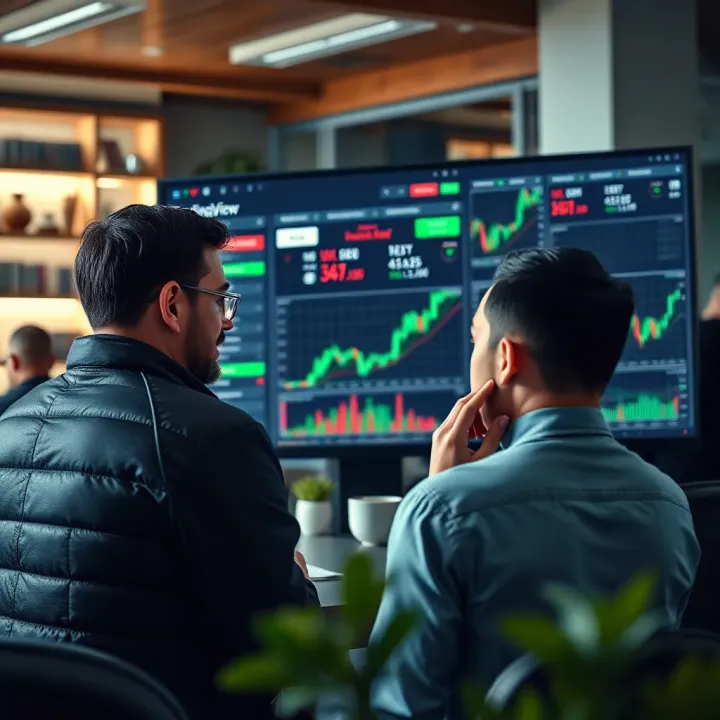
📈 Discover how TradingView's tools and community support traders in Pakistan and beyond. Learn to customize charts, analyze markets, and enhance your trading strategy.
Based on 10 reviews